
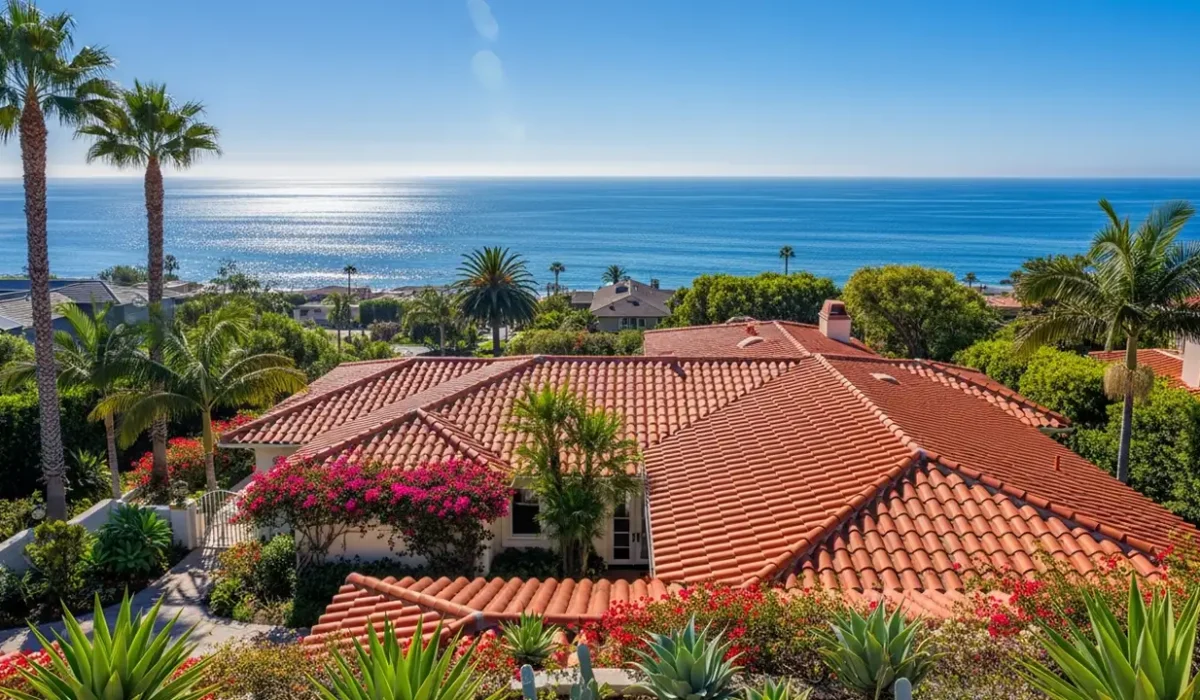
As a homeowner in coastal San Diego, you know the value of a durable tile roof. However, smaller components like bird-stops and eave closures play a huge role in protecting your investment. Understanding how to spot and prevent failures in these parts is essential for maintaining your roofing system’s integrity. At Tile Roofing San Diego, we want to help you protect your home from pests and water damage before they become serious issues.
Understanding Bird-Stops and Eave Closures
Bird-stops and eave closures are vital components of your tile roofing system. They seal the openings at the roof edge created by the curved shape of your tiles. Without them, your roof is vulnerable to pests, debris, and wind-driven rain. These parts are designed to create a clean, finished look while providing critical protection. Properly installed bird-stops and eave closures ensure your roof meets local building codes and performs as expected. Knowing their specific functions helps you recognize when they need attention. We will explore the roles of both bird-stops and eave closures in more detail.

The Role of Bird-Stops in Tile Roofing Systems
A bird-stop is a barrier installed along your roof’s eave, just behind the fascia board, to prevent birds, rodents, and large insects from getting under roof tiles—a common issue with concrete or clay roofs. If the bird-stop fails, you may notice pests entering or exiting under the roof edge. Bird-stops also keep out debris like leaves and twigs, which can block airflow and trap moisture, leading to roof damage. Maintaining this simple barrier is an effective way to protect your home.
Contact UsWhat Eave Closures Do for Roof Protection
An eave closure, such as a bird-stop, seals the eave opening for added protection against the elements. It blocks wind-driven rain and moisture from reaching the underlayment—a key benefit in coastal San Diego’s unpredictable weather. Eave closures also protect the exposed edge of roofing underlayment from UV damage, which can cause brittleness and reduce its effectiveness as a water barrier. This extends the life of the underlayment. When properly installed, eave closures work with other roofing components to create a sealed, weatherproof system. They direct water off the roof and keep out pests and debris, preserving your roof’s integrity.
Warning Signs of Bird-Stop Failure
Knowing the warning signs of a failing bird-stop or eave closure can save you from expensive tile roof damage. Small issues can quickly escalate, leading to leaks and structural problems. Pay attention to changes around your roofline, as these are often the first indicators that something is wrong with these essential components. Early detection allows you to address problems before they compromise your entire roofing system. Simple visual checks from the ground can reveal a lot about the health of your roof’s edge. Next, we will cover specific signs like visible gaps and water intrusion.
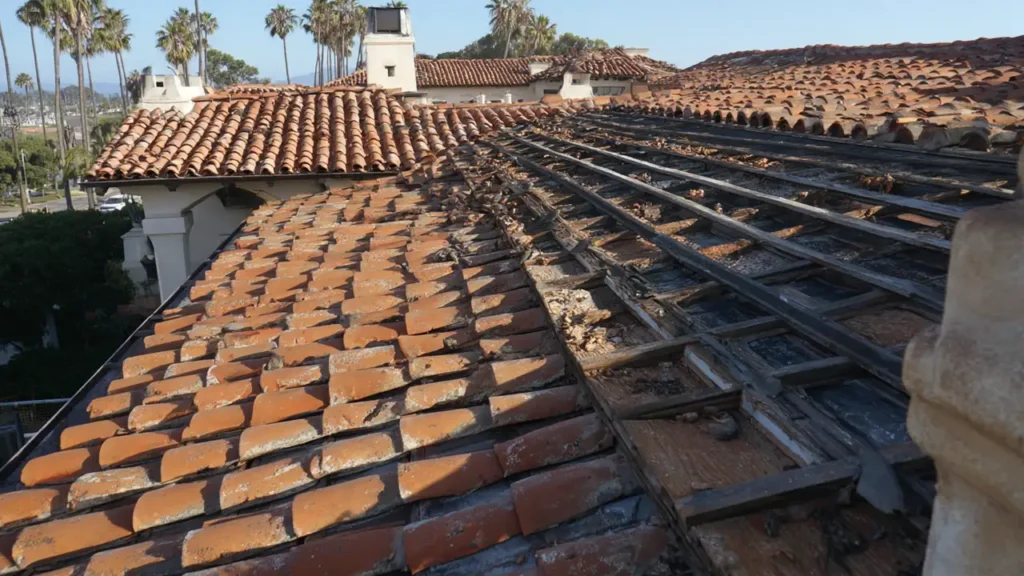
Visible Gaps, Debris, and Bird Activity Under Roof Tiles
Identifying gaps around bird-stops and eave closures is essential for protecting tile roofs. These gaps can let in moisture, causing water intrusion and long-term damage. Debris like leaves or twigs may signal nesting activity that blocks airflow and harms roofing materials. Birds under roof tiles can attract pests, leading to wood rot and structural issues. Regular inspections help homeowners catch problems early, allowing prompt repairs that maintain the roof’s durability and appearance while preventing expensive fixes later.
Signs of Structural Compromise
Water intrusion from a failed bird-stop or eave closure can lead to leaks as wind-driven rain gets under the tiles. Signs include water stains on interior ceilings or walls near the exterior. Continuous moisture damages your roof structure, causing wood rot that weakens the deck, fascia boards, and rafters. A sagging roofline or soft spots indicate advanced structural issues needing urgent repair. Ignoring these problems can result in expensive repairs and put your whole home at risk. Inspect your attic for damp insulation or water stains after storms to catch issues early.
How Coastal Climate Affects Eave Closures
Living in coastal San Diego means your roof faces unique environmental challenges. The combination of salt air, persistent moisture, and intense UV exposure can accelerate the aging process of roofing materials. These factors directly impact the durability of bird-stops and eave closures, making material selection critical for longevity. These components are on the front line of defense against the elements, so they bear the brunt of coastal weather. Understanding how the climate affects them will help you make better decisions about maintenance and material choices. We will now look at the specific impacts of salt air and recommend suitable materials.

Unique Challenges for Tile Roofs
The salt air in coastal San Diego is highly corrosive, causing metal components like fasteners to rust and weaken early. This compromises bird-stops and eave closures, making them more vulnerable to wind damage and eventual system failure. Constant moisture from marine fog and humidity can get trapped behind damaged closures, encouraging mold growth and accelerating the decay of roofing materials, including underlayment and wood structures. Even concrete tiles aren’t immune—while durable, the sealing components at the eaves are more susceptible. Selecting roofing materials designed for harsh coastal conditions is essential for long-term durability.
Recommended Materials for Coastal Tile Roofing Components
Selecting the right materials for coastal tile roofing is absolutely essential for ensuring durability in harsh environments. Concrete tiles are particularly effective as they resist UV rays and salty air, while moisture-resistant foam underlayment provides an additional layer of protection against water intrusion. Furthermore, using high-quality fasteners and mortar significantly strengthens the roof, thereby reducing damage that can be caused by high winds. Adding battens not only improves airflow but also minimizes moisture buildup, which is crucial in coastal areas. Homeowners should diligently follow local building codes to ensure compliance, protect against pests, and prevent wood rot, ultimately safeguarding both curb appeal and structural integrity of their homes.
Call Us 619-350-1086
Get in Touch
Understanding the importance of bird-stops and eave closures is crucial for protecting your tile roof in the unique coastal environment of San Diego. The combination of salt air and moisture can lead to serious problems if not addressed early and effectively. Regular inspections and proactive maintenance are essential to help prevent water damage and structural issues that could arise. As an Owens Corning Preferred Contractor and GAF Master Elite Contractor, we at Tile Roofing San Diego proudly offer expert service and tailored solutions for all your roofing needs. Don’t wait—ensure your roof is fully prepared to withstand our challenging coastal climate.
Read our blog: San Diego, CA Coastal Microclimates: How Marine Layer Moisture Impacts Tile Roof Performance
Frequently Asked Questions
Can missing bird-stops or eave closures on my tile roof cause leaks or other damage?
Yes, absolutely. Missing a bird-stop or eave closure on tile roofs creates a direct path for wind-driven rain to infiltrate and cause leaks. This water intrusion can lead to significant issues such as wood rot, mold growth, and damage to your roof’s underlying structure. Ultimately, this results in costly and extensive repairs that can be avoided with proper maintenance.
What should I do if I suspect my bird-stops or eave closures are failing?
If you suspect a failure, contact a professional roofing contractor for a thorough inspection. Do not attempt a DIY roof repair, as it can be dangerous and may cause more damage. A professional can safely assess the eave and determine the best course of action.