
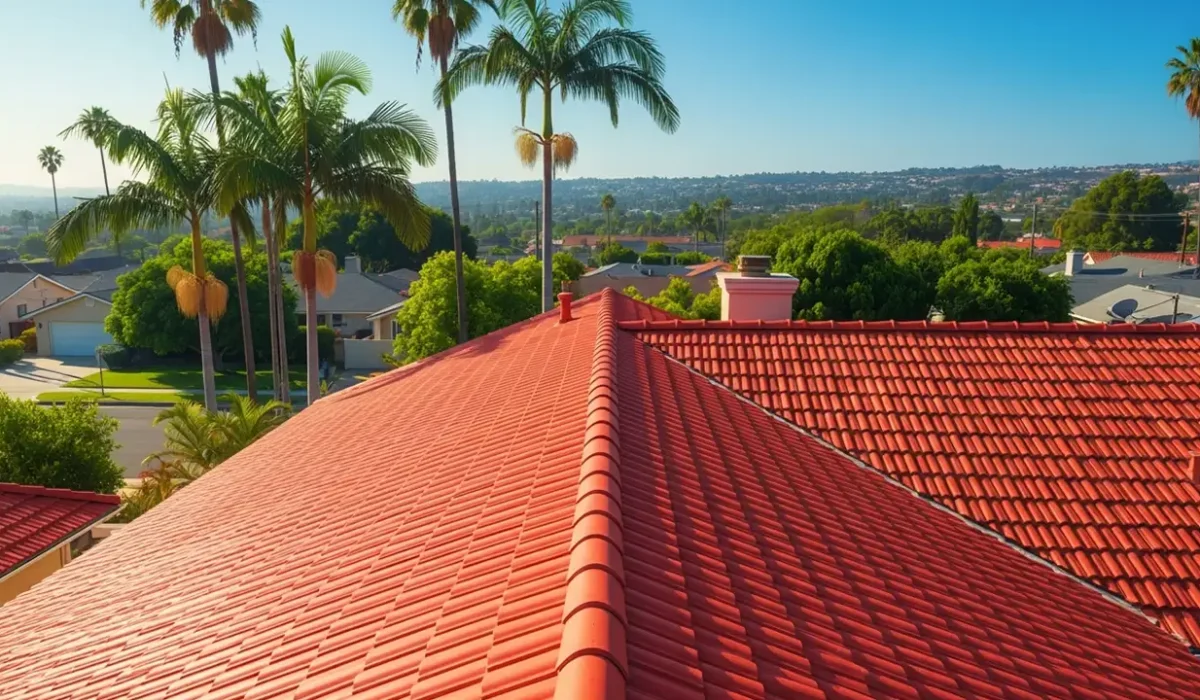
Your tile roof is a key feature of your San Diego home, offered by Tile Roofing San Diego, providing both beauty and protection. However, roofing issues like tile slippage can compromise its integrity. If left unaddressed, moving tiles can lead to serious problems that require extensive roof repairs. Understanding what causes tiles to shift and how to spot the signs early is essential for every homeowner. This guide from Tile Roofing San Diego will explain the causes, warning signs, and solutions for tile roof movement.
Common Causes of Tile Slippage on San Diego Roofs
Improper installation is a leading cause of tile slippage on roofs. When roof tiles aren’t securely fastened—due to missing clips or loose mortar—they can shift over time, especially under environmental stress such as heavy rains or high winds. Regular maintenance helps catch these issues early before they worsen. In San Diego, the unique climate and aging materials further contribute to tile movement and instability. Understanding how weather patterns, installation methods, and the age of the roof affect stability is key to effective prevention.
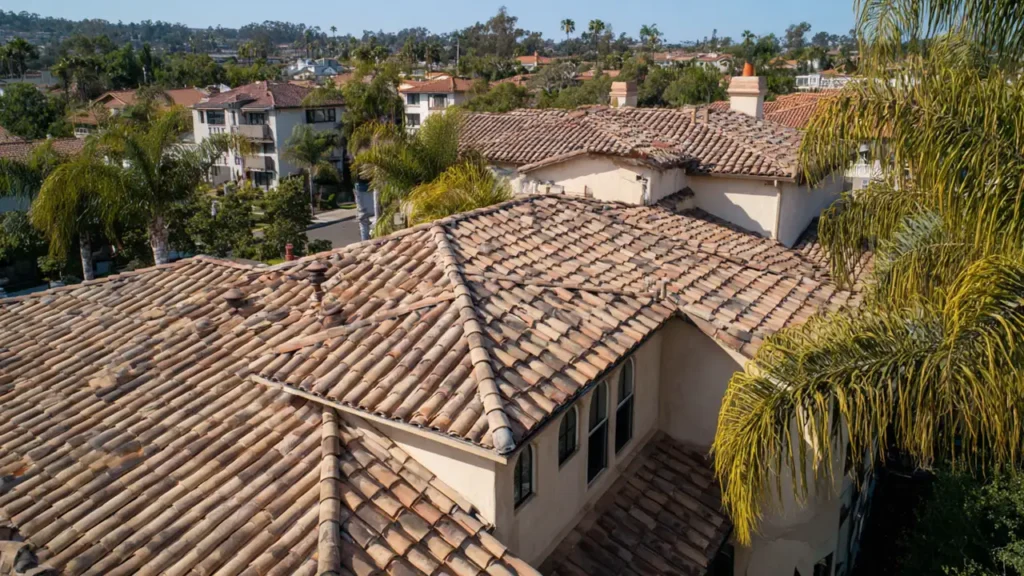
Effects of Climate on Tile Movement
San Diego’s climate—intense sun, strong winds, and occasional heavy rain—constantly stresses roof tiles. Sun-driven temperature swings cause materials to expand and contract, weakening fasteners and mortar over time and causing tiles to shift. Santa Ana winds add to the problem by creating uplift pressure that can dislodge unsecured tiles. Rain then seeps through gaps left by shifted tiles, damaging underlayment and decking and speeding up tile slippage. The combination of UV rays and moisture accelerates material breakdown. Regular inspections are essential to catch weather-related roof problems early.
Contact UsInstallation Errors That Lead to Tile Shifting
Installation errors can compromise tile roof stability, causing tiles to shift or slip. Common issues include improper fastening and using unsuitable materials for San Diego’s climate, creating weak spots vulnerable to wind and rain. Professional roofing contractors stress the need for proper underlayment and secure anchoring. Regular inspections catch installation problems early, preventing further damage. Promptly addressing these errors extends roof life and helps avoid costly repairs.
Impact of Age and Wear on Tile Roofs
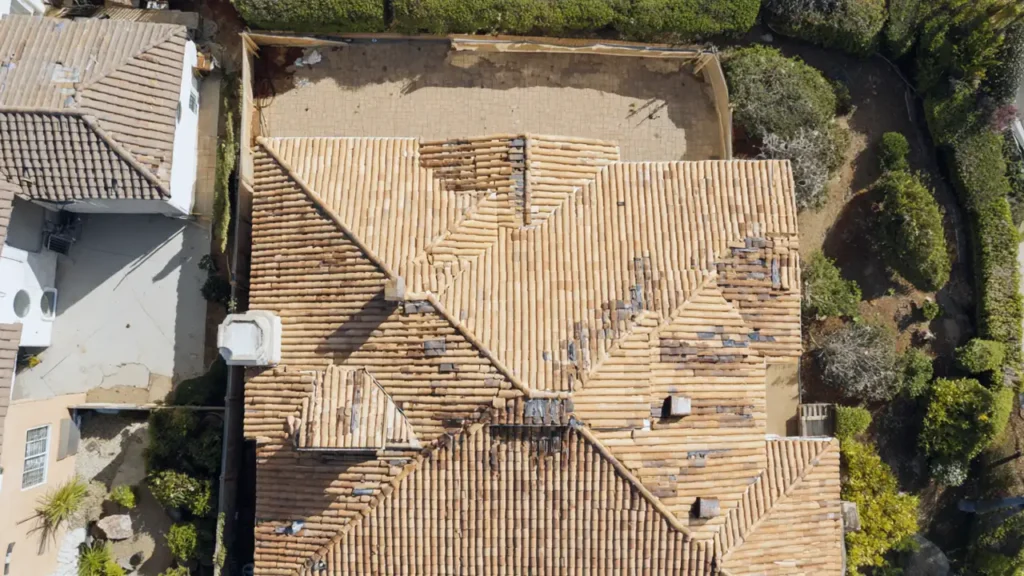
Over time, clay tile roofs deteriorate due to age and exposure. Sunlight in San Diego can cause tiles to become brittle and crack, while mortar may lose its grip, making tiles loose. Cracked tiles are serious—they let water reach the underlayment and fasteners, causing rust and tile slippage. One loose tile can trigger problems across a larger area. Watch for early signs like fine cracks or mortar debris in gutters. If you find a cracked tile, have it replaced professionally right away. Prompt repairs keep your roof stable and prevent bigger issues later.
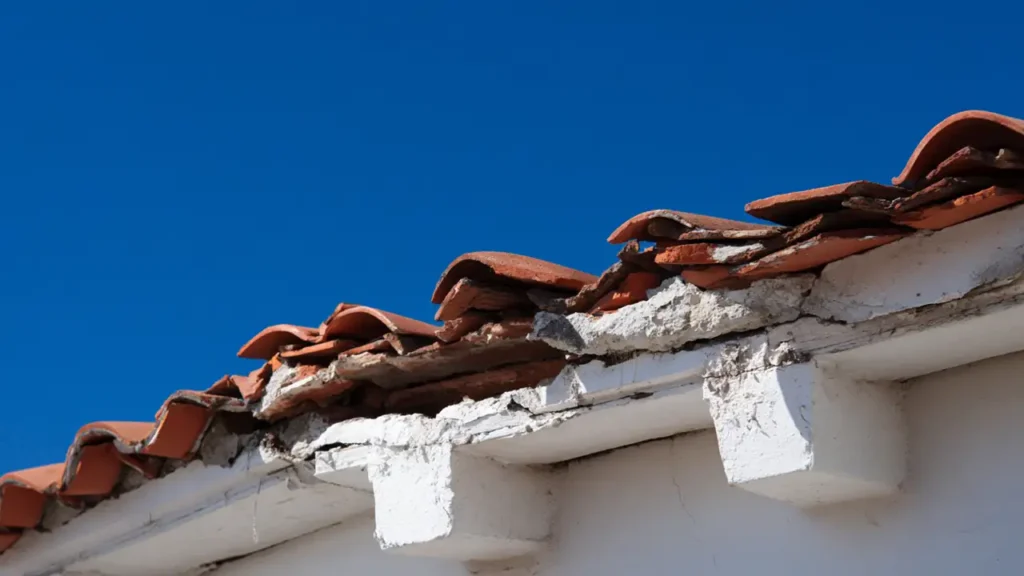
Warning Signs Your Tile Roof Is Moving
Spotting early signs of tile roof issues can help you avoid expensive repairs. Loose or shifting tiles often show subtle clues that homeowners can see from the ground—no climbing needed. Watch for misaligned tiles or unusual noises during windy days; these warning signs vary but are easy to notice. Being proactive is your best defense against surprise roof failures. Next, we’ll outline the visual cues, leak indicators, and sounds that mean your roof needs professional attention.
Visual Clues and Tile Misalignment
Identifying tile misalignment starts with spotting visual clues, such as uneven or curved tiles, which often indicate shifting from San Diego’s temperature changes. Cracked or broken tiles suggest structural damage and further misalignment. Gaps between tiles warn of slippage. If left unaddressed, these issues can reduce energy efficiency and curb appeal. Regular professional inspections help catch problems early. Recognizing these signs allows property owners to take proactive steps to extend their roof’s lifespan.
Subtle Leaks and Water Damage as Early Indicators
Subtle leaks often go unnoticed until major water damage occurs, highlighting the need for early detection. Homeowners should watch for signs of moisture, like discolored spots on ceilings or walls, which may signal tile slippage or poorly sealed joints. Unaddressed leaks can worsen structural problems and lead to expensive repairs. San Diego’s climate—marked by strong UV rays and heavy rains—further stresses roofing materials. Regular inspections by professional roofers help catch weak points early, preventing serious issues. Proactive maintenance extends your roof’s lifespan, boosts energy efficiency, and gives property owners peace of mind.
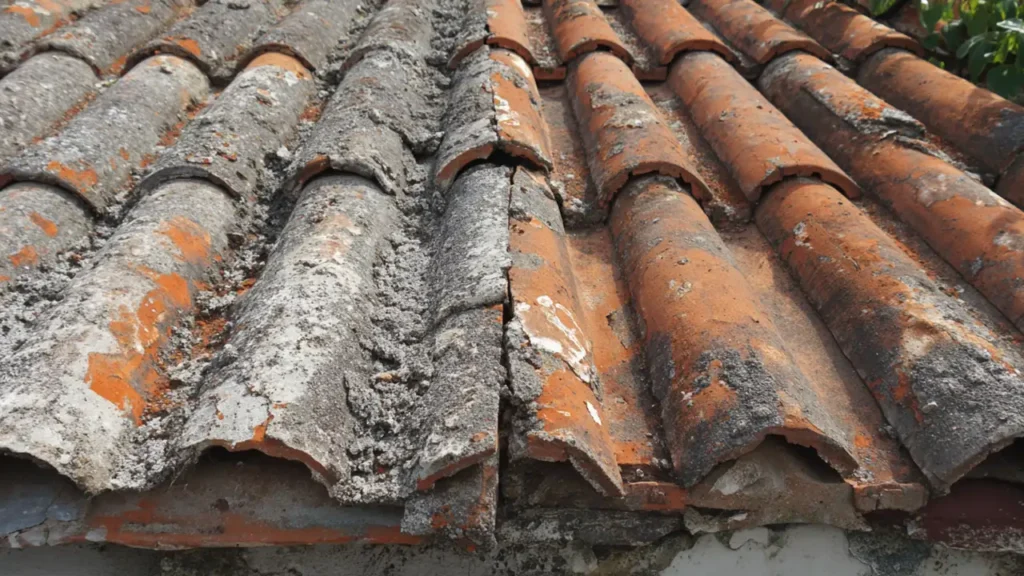
Noises and Unusual Sounds from Your Roof
Have you heard strange noises like rattling or scraping from your roof during windy weather? These sounds often mean your roof tiles are loose. When tiles aren’t securely fastened, wind can lift and shift them, causing noticeable noise. A properly installed tile roof should be quiet, even in storms. If you hear movement, it likely means fasteners have failed or mortar has worn away—signs that tiles aren’t secure. Don’t ignore these warnings. Loose tiles can fall or cause leaks. If you notice unusual roof sounds, schedule a professional inspection promptly to fix the issue and prevent further damage.
How Professional Roofers Prevent Tile Slippage
A professional roofer in San Diego combines expert techniques and quality materials to prevent tile slippage. At Tile Roofing San Diego, we address the root causes of movement, not just the symptoms. Our repair and maintenance plans keep your roof stable and secure for years. As an Owens Corning Preferred Contractor, we follow industry best practices with thorough inspections, proper installation methods, and durable materials suited to our climate. The next sections outline our protocols for keeping your tile roof firmly in place.
Inspection Protocols and Scheduled Maintenance
Regular inspections are essential for maintaining tile roofs in San Diego. Hiring a professional roofing contractor helps detect tile slippage early. Experts recommend bi-annual inspections, especially after severe weather, to check for misaligned or loose tiles. Routine maintenance includes removing debris and pressure washing to prevent water damage and UV deterioration. This proactive care improves your roof’s appearance, extends its lifespan, and reduces the risk of structural damage and costly repairs. Following these protocols gives homeowners peace of mind and boosts energy efficiency.
Choosing Durable Materials for Lasting Protection
Choosing durable materials is as crucial as proper installation. San Diego roofs must withstand UV rays, wind, and moisture. High-quality clay tiles, paired with premium underlayment and fasteners, offer lasting protection At Tile Roofing San Diego, we use trusted manufacturers to ensure every roof meets top standards. We guide you in selecting materials suited for our coastal climate, minimizing future repairs. Investing in quality upfront protects your home. With the right materials and expert installation, your roof delivers decades of security and peace of mind.
Risks Associated with Loose or Slipping Roof Tiles
Loose or slipping roof tiles are more than just a cosmetic issue—they pose serious risks. Ignoring them can expose the underlayment to moisture and UV rays, quickly leading to leaks and expensive repairs. A small gap can compromise your home’s protective barrier and cause major structural damage. It’s important for homeowners to understand these dangers. The next sections will cover the safety hazards and property damage that can result from neglected tile slippage.
Potential Structural Damage and Interior Leaks
When tiles slip, they expose the underlayment—your roof’s main water barrier. If this layer is damaged, water can seep into the roof deck and attic, causing leaks that harm ceilings, walls, and insulation. Persistent moisture encourages mold and mildew, affecting your home’s air quality. Ignoring the problem leads to chronic water exposure, which rots wooden roof components like rafters and decking. This structural damage threatens your roof’s stability. A simple slipped tile can quickly escalate into costly repairs or even a full roof replacement. Addressing tile movement early prevents further damage and protects your home’s long-term integrity.
Call Us 619-350-1086
Why Choose Us
In conclusion, preventing tile slippage is crucial for maintaining the integrity and safety of your roof in San Diego’s unique climate. Understanding the common causes of tile movement, from installation errors to the effects of age and wear, allows homeowners to take proactive measures. Regular inspections and choosing certified contractors, like those at Tile Roofing San Diego, ensure secure installation methods and the use of durable materials. With our Owens Corning Preferred Contractor status and GAF Master Elite Contractor certification, we stand ready to protect your home. For further assistance, don’t hesitate to reach out for a consultation.
Read our blog: How to Spot and Prevent Bird-Stop and Eave Closure Failures on Tile Roofs in Coastal San Diego
Frequently Asked Questions
Is walking on a tile roof safe or can it cause slippage?
Walking on a tile roof is not recommended. The foot traffic can crack fragile roof tiles or cause further tile slippage, increasing the risk of damage. Always hire a professional with the proper safety equipment and experience for any roof work to avoid personal injury and protect your roof.
How to stop roof tiles from slipping?
The best way to stop roof tiles from slipping is through professional installation and regular maintenance. A qualified roofing contractor in San Diego can ensure that tiles are securely fastened, minimizing the risk of slippage. If you notice any movement, seeking prompt repair services is crucial, as they can effectively address the issue before it worsens and secure your roof for long-term stability.