
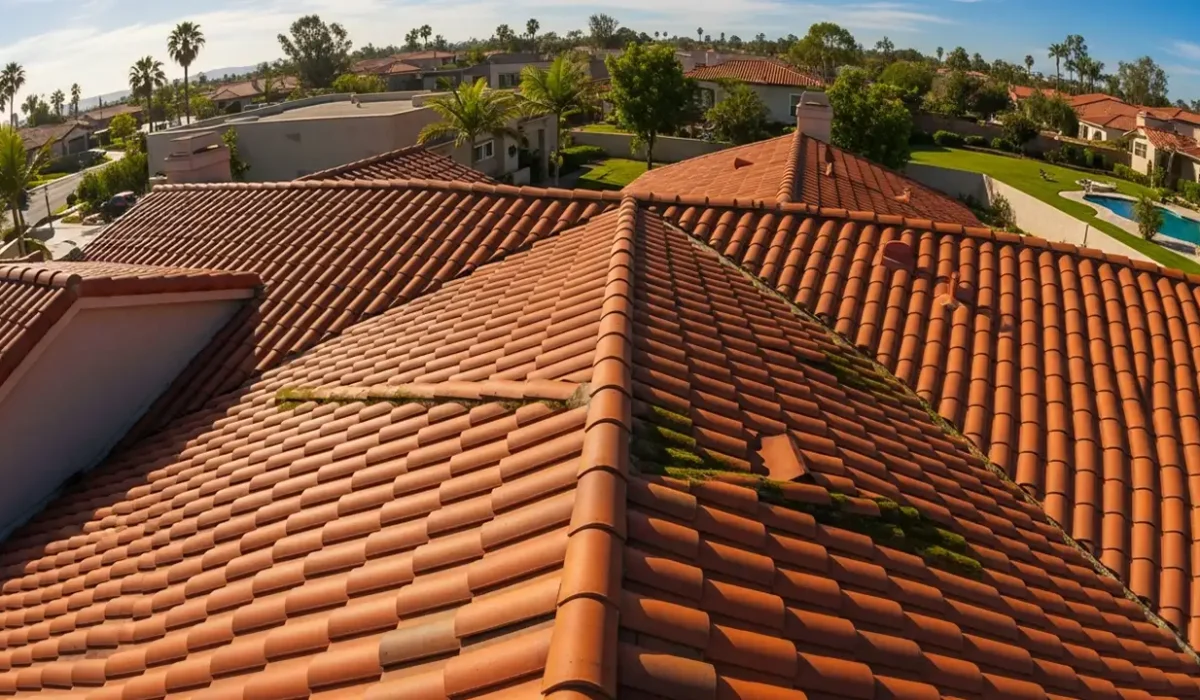
Your tile roof is a beautiful and durable asset, but even the best roofs have weak spots. In San Diego, roof leaks often begin in two specific areas: the valleys and ridges. These sections, which we at Tile Roofing San Diego are well-acquainted with, handle significant water flow and are prone to developing issues that can lead to water damage inside your home. Understanding where these trouble spots are and why they fail is the first step in protecting your property and ensuring your peace of mind.
Understanding Valley and Ridge Leaks on San Diego Tile Roofs
Valleys and ridges are essential to your roof’s structure but are also its most leak-prone areas. Valleys, where two slopes meet, channel water, while ridges form the roof’s horizontal peaks—both are highly exposed to the elements. For San Diego homeowners, knowing why these areas fail is crucial for proper maintenance. Issues like poor installation, material wear, and weather can let water seep under your tiles. Let’s look at why valleys and ridges are so vulnerable—and how our local climate contributes to leaks.

Why Valleys and Ridges Are Prone to Leaks
Roof valleys handle heavy water flow during rain, putting pressure on roofing materials. Poor installation or debris can cause pooling and leaks. Ridges are exposed to wind, rain, and UV rays. Over time, seals may fail or tiles shift, letting water in. Small issues here can lead to major damage if left unchecked. Valleys and ridges are complex roof areas that require expert installation. Even minor mistakes—like misaligned tiles or poor sealing—can allow moisture in. As GAF Master Elite Contractors, we have the training to properly protect these critical zones and prevent future issues.
Contact UsThe Impact of San Diego’s Weather on Tile Roof Trouble Spots
San Diego’s intense sun and sudden heavy rain pose unique challenges for tile roofs. Constant UV exposure makes sealants and underlayment brittle and prone to cracking, increasing the risk of failure during storms. High winds can lift or shift ridge caps and valley tiles, breaking their watertight seal. Even minor displacement lets water seep into the roof deck, causing hidden damage over time. Wind-driven debris often builds up in roof valleys, blocking water flow and trapping moisture. This speeds up material deterioration and raises leak risks. Regular maintenance is essential for San Diego homes with tile roofs to prevent weather-related issues.
Most Common Leak Trouble Spots in Valleys and Ridges
Roof leaks often start at predictable spots along valleys and ridges. In valleys, heavy water flow can exploit weaknesses in tiles or the waterproof barrier, especially if there are cracked tiles, debris buildup, or flashing failures. Along ridges, leaks usually occur where ridge cap tiles join. Over time, mortar or sealant here can crack or deteriorate, letting water seep in. Knowing these vulnerabilities helps pinpoint leak sources more accurately. Next, we’ll examine how overlapping tile issues and underlayment breakdowns contribute to these problems.
Overlapping Tiles and Water Entry Points
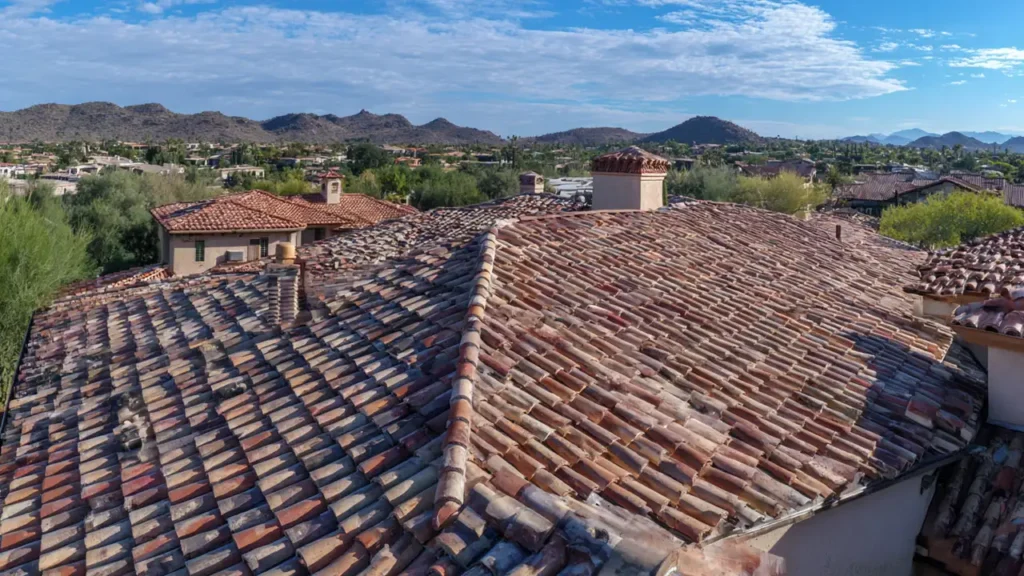
Overlapping roof tiles create vulnerable spots for water entry, especially during heavy rain or strong winds. Compromised seals at tile intersections can lead to leaks, which may cause structural damage or mold before being noticed. The condition and installation of roof tiles are crucial for preventing water damage. Damaged or poorly installed tiles increase the risk and repair costs. Regular inspections help catch minor issues early, allowing homeowners and property managers to take preventive action and extend the life of their tile roof.
Underlayment Breakdowns at Joints
Underlayment failures are a common weak point in tile roofs, especially at joints where materials meet. When compromised, these areas allow water infiltration that can quickly worsen roof damage. San Diego’s climate—with strong winds and heavy rain—makes such issues more likely if maintenance is neglected. Roofers recommend inspecting underlayment during routine checks, as poor installation or deterioration can lead to costly repairs. These failures also weaken the structure, so prompt attention is essential. Quality materials and proper installation help extend your roof’s lifespan and prevent future problems.
Signs of Valley Leaks in Tile Roofs
Detecting roof leaks early can prevent costly repairs and significant water damage. Warning signs, especially in valleys or ridges, are often subtle—far beyond the obvious drips from the ceiling that most homeowners notice. Overlooking these crucial clues allows moisture to spread unchecked, ultimately causing mold and serious structural issues. It’s essential to stay alert to both visible and hidden signs, both inside and outside your home. Recognizing these indicators early helps you address roof problems before they escalate into more serious issues. Here are the most common warning signs to watch for, ensuring your home remains safe and dry.
Visible Staining and Damp Patches
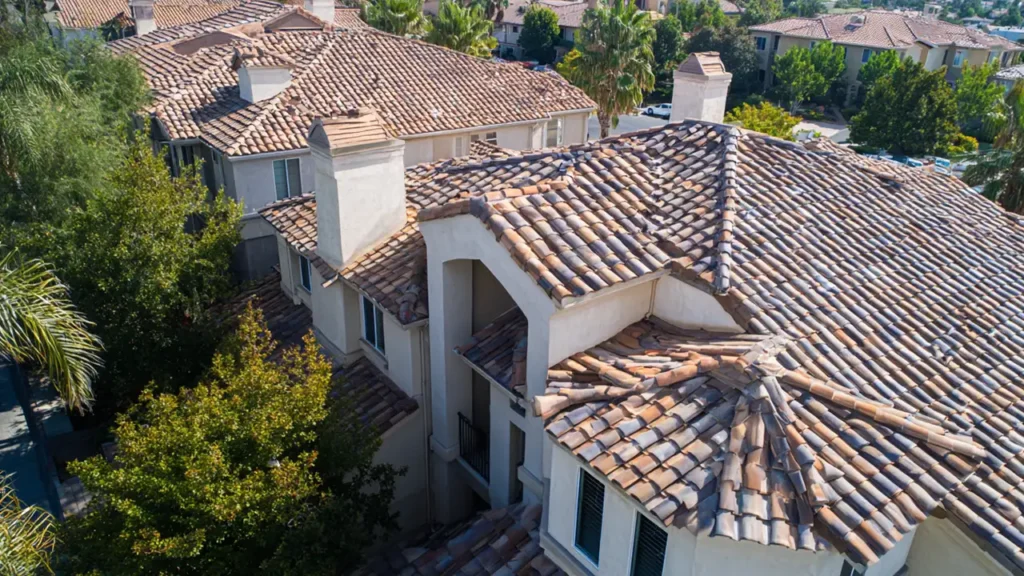
Visible staining and damp patches often signal underlying roof issues needing prompt attention. Common around valleys and ridges, these marks indicate water infiltration, which can lead to mold growth and structural damage. Regular inspections by a professional roofer help catch minor problems early and protect your roof’s condition. Tile roofing materials also affect susceptibility to staining; for instance, clay and concrete tiles show different wear patterns due to UV exposure and San Diego’s weather. Monitoring these signs maintains curb appeal, enhances energy efficiency, and extends your roof’s lifespan. Consistent maintenance is essential for prevention.
Subtle Signs Like Mold, Musty Odors, or Crumbling Grout
Mold growth often indicates hidden moisture in your roof, especially in valleys and ridges. This can signal bigger water infiltration problems from poor installation or aging materials. Musty odors also suggest trapped water under the tiles or underlayment, pointing to possible leaks that need prompt attention. Crumbling grout around roof penetrations or tiles further weakens your roof and can cause more damage if ignored. Regular inspections by a professional roofer can catch these issues early, keeping your roof in good condition and reducing costly repairs.
Key Causes Behind Valley and Ridge Leaks
Understanding the root causes of valley and ridge leaks is key to effective tile roof repair and prevention. These leaks usually result from specific material or installation failures, such as displaced tiles after storms or aging sealants that no longer provide adequate protection. Recognizing these causes helps you spot issues during routine maintenance checks. Addressing them early is crucial, as it prevents minor problems from escalating into major damage that can be costly to repair. Here’s how weather conditions and material deterioration lead to leaks in these critical roof areas.
Deterioration of Flashing and Sealants
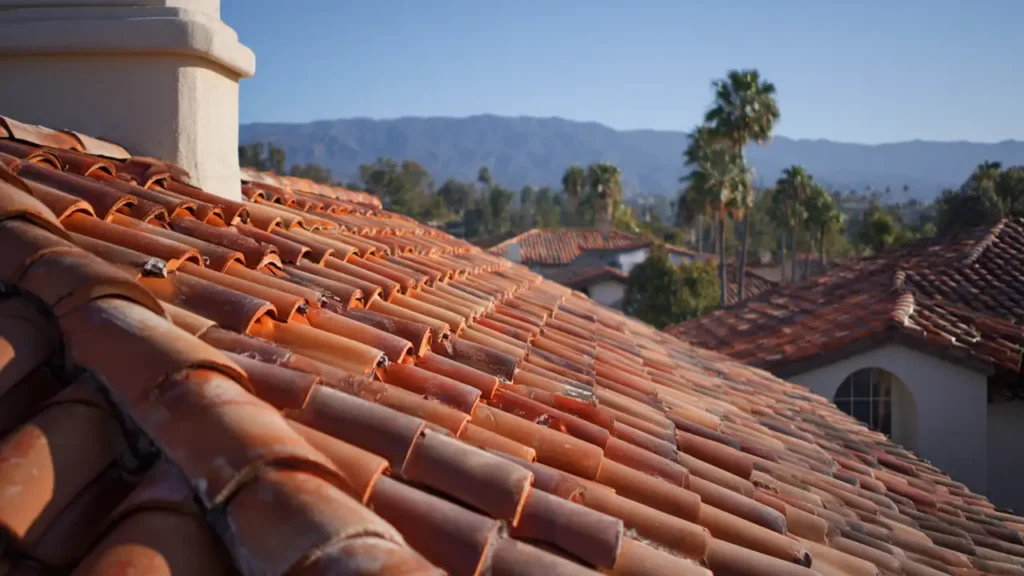
Flashing and sealants are essential for protecting your tile roof, especially at valleys and ridges where leaks are most likely. Over time, UV rays, temperature changes, and San Diego’s weather can break down these materials, increasing the risk of water intrusion. Regular inspections help catch cracked or missing sealant early, preventing costly damage. Addressing minor issues promptly avoids major structural problems. A professional roofer can recommend the best materials and methods to maintain these areas, extending your roof’s life and improving energy efficiency.
Preventing Roof Leaks
The best way to handle roof leaks is through prevention, which is essential for maintaining the integrity of your home. Regular maintenance and thorough inspections help protect your property, extend your roof’s lifespan, and avoid costly repairs. By addressing minor issues early, you can keep your tile roof in top condition and ensure peace of mind for you and your family. Let’s review some effective routine inspection tips and best practices for professional repairs to safeguard your valleys and ridges from potential leaks.
Routine Inspections and Maintenance Advice
Implementing a routine inspection schedule is essential to protect your tile roof. Hiring a professional roofing contractor ensures expert assessment and early detection of leak-prone areas. Regular maintenance—such as removing debris and maintaining drainage—reduces the risk of water damage and costly repairs. Watch for signs of wear like missing tiles or dark spots to address issues before they worsen. Consider thermal imaging to uncover hidden problems. Prioritizing inspections extends your roof’s lifespan, enables timely repairs, and improves energy efficiency, giving you peace of mind against San Diego’s unpredictable weather.
Call Us 619-350-1086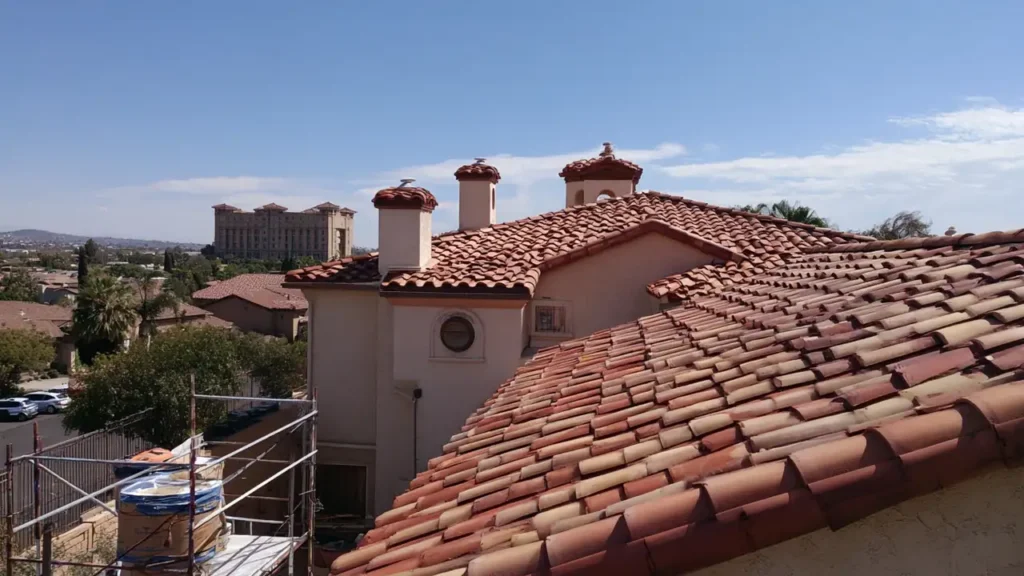
What’s Next
Addressing valley and ridge trouble spots is crucial for maintaining tile roofs in San Diego, where the unique weather patterns can significantly worsen the risks of leaks. Regular inspections conducted by certified professionals at Tile Roofing San Diego help catch potential issues early, preventing costly repairs down the line. As Owens Corning Preferred Contractors and GAF Master Elite-certified, we pride ourselves on offering top-notch service and comprehensive warranties. Protect your valuable investment—contact us for a consultation today and ensure your roof remains in excellent condition.
Read our blog: Preventing Tile Slippage: What Causes Movement and How San Diego Roofers Fix It
Frequently Asked Questions
Are valley leaks more common than ridge leaks on San Diego tile roofs?
Yes, valley leaks are generally more common on San Diego tile roofs. Valleys handle a concentrated flow of rainwater, which puts more stress on materials and makes them more susceptible to debris buildup and water infiltration compared to ridges.
What materials are best for fixing trouble spots in valleys?
For repairing valleys on a tile roof, durable metal flashing, high-quality waterproofing underlayment, and flexible, UV-resistant sealants are the best roofing materials. These products are designed to withstand heavy water flow and prevent future water damage.