
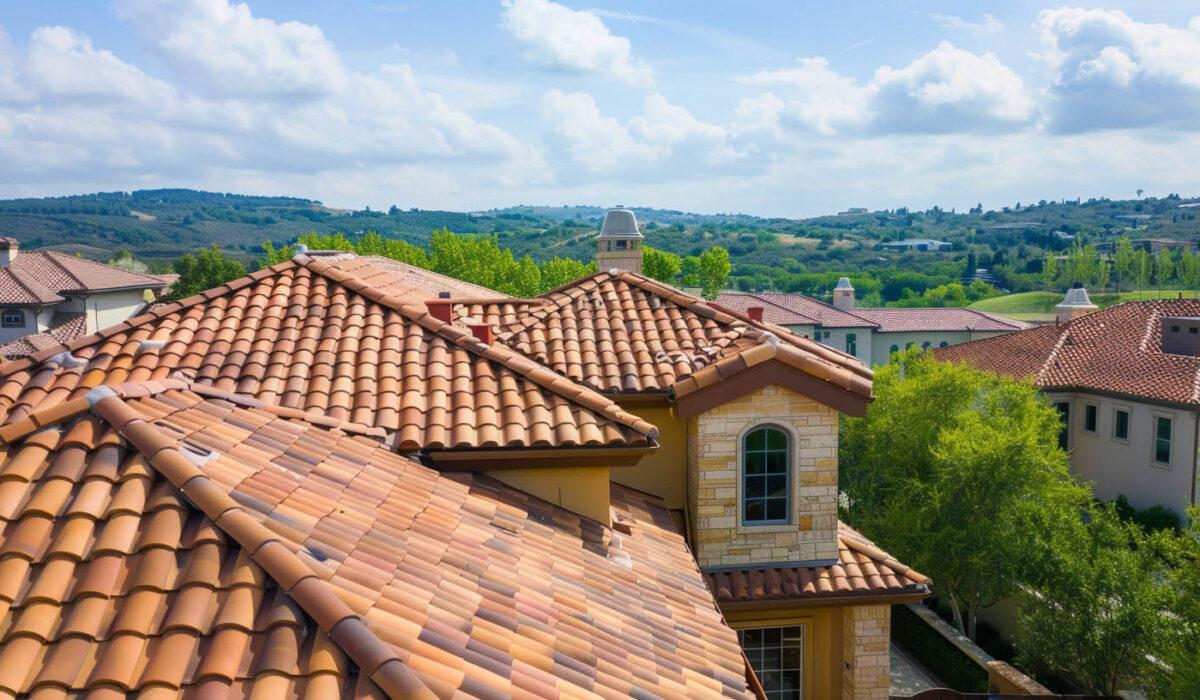
Tile Roofing San Diego helps property owners understand how tile roofing systems respond when San Diego heat moves beyond ordinary summer weather and into prolonged heat-wave conditions. Tile roofs are known for durability, fire resistance, and long service life, but extreme heat still affects the full roofing assembly: roof tiles, underlayment, attic ventilation, flashing, fasteners, mortar, bird stops, and roof penetrations.
For inland San Diego communities such as Poway, Escondido, Rancho Bernardo, and El Cajon, roof heat exposure can be especially intense. Coastal homes may benefit from marine air, but inland properties often face higher daytime temperatures, stronger attic heat buildup, and longer cooling cycles. A well-built tile roof can handle heat better than many roofing materials, but performance depends heavily on what is underneath the tile.
Why Tile Roofs Handle Heat Well
Tile roofing performs well in hot climates because clay and concrete tiles create a protective outer layer above the roof deck. Unlike thinner roofing materials that sit closer to the roof surface, tile roofs are installed in a way that can allow air movement beneath the tiles. This space helps reduce direct heat transfer into the roof structure.
The shape of many tile profiles also helps. Curved clay tile, S-tile, barrel tile, and some concrete profiles create small channels where air can move. This does not replace attic ventilation, but it can reduce the amount of heat that reaches the underlayment and decking.
Tile is also non-combustible, dimensionally stable under normal heat exposure, and resistant to rapid surface deterioration from sunlight. That is why a properly installed clay tile roof or concrete tile roof can remain one of the strongest choices for San Diego homes and commercial properties.
Contact Us
Extreme Heat Affects the Roof System, Not Just the Tile
During heat waves, the visible tile is only one part of the story. The tile may look unchanged from the ground, while hidden components are absorbing years of stress.
The most vulnerable part of many older tile roofs is the underlayment. Underlayment sits beneath the tiles and acts as the secondary water-shedding layer. When it ages from heat, ultraviolet exposure during tile movement, trapped moisture, or poor ventilation, it can become brittle, dry, cracked, or less effective around penetrations and laps.
This is why many tile roof leaks appear even when most roof tiles still look intact. The tile may still be functional, but the waterproofing layer beneath it may no longer perform as intended.
Underlayment Heat Aging in San Diego Tile Roofs
Inland heat can accelerate underlayment aging because the roof assembly stays hot for long periods. In areas like Poway, Escondido, Rancho Bernardo, and El Cajon, attic temperatures can climb significantly during heat waves, especially when ventilation is undersized or blocked.
Heat aging can affect underlayment in several ways:
- It can dry out older felt-based materials.
- It can weaken seams and laps.
- It can make brittle areas more likely to crack.
- It can reduce waterproofing performance around valleys, walls, vents, skylights, and chimneys.
- It can make old repairs fail sooner.
Modern upgraded underlayments often perform better than older materials, especially when paired with correct flashing and ventilation. For older tile roofs, a professional tile roof inspection can help identify whether the roof tiles are still serviceable but the underlayment is nearing the end of its useful life.
Clay Tile Roof Performance in Extreme Heat
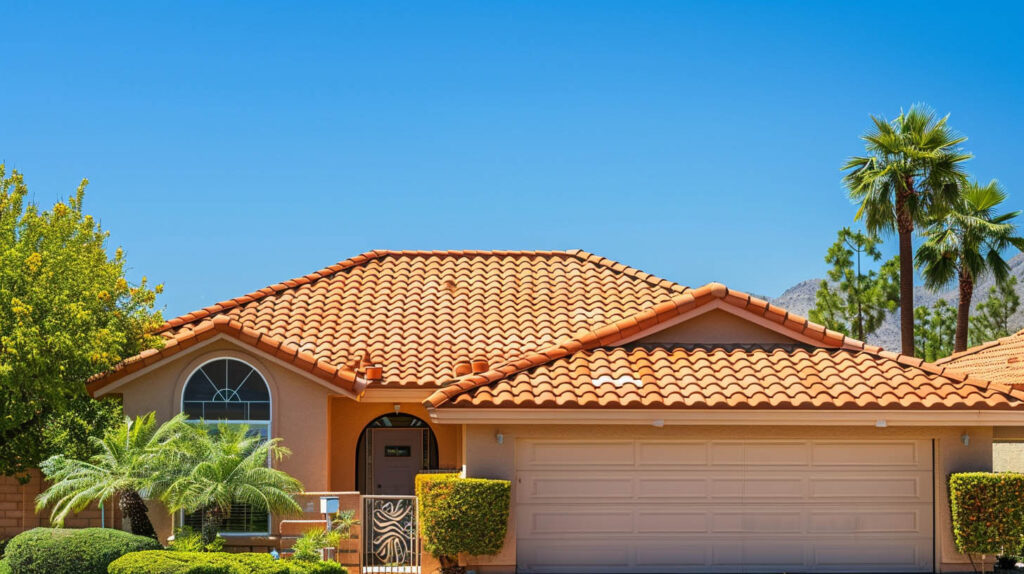
A clay tile roof is one of the strongest choices for hot, sunny regions. Clay tile handles high surface temperatures well, resists fading better than many materials, and has a long history in Mediterranean, Spanish, and Mission-style architecture.
Clay tile also tends to absorb and release heat differently than many thinner roof coverings. It does not usually deteriorate quickly from heat alone. However, clay tile is brittle. Extreme heat does not usually “melt” or deform it, but foot traffic, solar work, chimney service, or improper access can cause broken roof tiles.
Walking on clay tile roof surfaces during or after extreme heat can be especially risky. Heated tiles may be more susceptible to cracking under point pressure, and older tiles may already have hidden stress fractures. Any work involving solar installers, inspectors, painters, HVAC technicians, or chimney crews should be followed by a roof check if the roof is older or visibly fragile.
Concrete Tile Roof Performance in Extreme Heat
Concrete tile is also highly durable in hot climates. It is strong, heavy, and commonly used across San Diego residential roofing and commercial roofing projects. Concrete tile can handle heat well, but it may behave differently from clay tile over time.
Concrete tiles may gradually weather, lose surface coating, or absorb more moisture as they age. In hot inland areas, repeated heat cycles can contribute to surface wear, especially on older tiles with worn finishes. Color, coating quality, tile profile, and maintenance history all influence performance.
Concrete tile roofs can still provide excellent long-term protection, but they require the same attention to underlayment, flashing, valleys, and ventilation. The tiles are not the only measure of roof condition.
Cool Roof Tile Options for Heat-Wave Protection
Cool roof tile options can help reduce heat absorption, especially on homes exposed to long periods of direct sun. According to the U.S. Department of Energy, cool roofs are designed to reflect more sunlight and absorb less solar energy than conventional roofs.
For tile roofing, cool roof performance is usually influenced by color, surface finish, reflectance, emissivity, and product rating. Light-colored tile, reflective coatings, and certain manufacturer-rated tile products may help lower roof surface temperature compared with darker roof colors.
That does not mean every home should choose white or very light tile. HOA requirements, architectural style, neighborhood appearance, glare, and local design standards matter. In San Diego, many homeowners want Spanish, Mediterranean, Mission, or coastal luxury aesthetics. The best solution is often a tile color and profile that balances heat performance with the property’s design.
Attic Ventilation Matters During Heat Waves
Tile roofs perform best when the attic can release heat properly. Without balanced ventilation, hot air becomes trapped beneath the roof deck. This can increase attic temperature, strain cooling systems, and accelerate underlayment aging.
Good attic ventilation usually includes intake and exhaust working together. Intake may come through soffit vents or eave vents. Exhaust may come through ridge vents, off-ridge vents, gable vents, or other roof ventilation components. The correct design depends on roof structure, attic layout, insulation, and existing vent placement.
Poor ventilation can create several problems:
- Excess attic heat during inland San Diego heat waves
- Shorter underlayment service life
- More stress around roof penetrations
- Higher indoor cooling demand
- Moisture retention during cooler coastal or seasonal conditions
- Premature deterioration of wood decking or framing
A roof may have vents and still be poorly ventilated if intake is blocked, exhaust is undersized, or previous repairs interrupted airflow.
Flashing and Penetrations Under Heat Stress
Extreme heat can expand and contract roof components. Metal flashing, sealants, mortar, fasteners, and roof penetrations all move differently from tile. Over time, these movement cycles can open small gaps.
Common heat-stressed areas include:
- Chimney flashing
- Skylight flashing
- Vent pipes
- Roof-to-wall transitions
- Valleys
- Solar mounts
- HVAC penetrations
- Drip edge and eave details
These areas are important because tile roofing sheds most water, but flashing and underlayment manage the vulnerable transitions. During sudden summer storms or seasonal rain after a long dry period, small weaknesses can turn into active leaks.
Bird Stops, Eaves, and Heat-Related Roof Openings
Bird stops help close openings at the eaves of tile roofs. They prevent birds, pests, debris, and wind-driven material from entering beneath the tiles. In extreme heat regions, bird stops also help preserve roof system cleanliness by limiting nesting materials that can trap heat and moisture.
Damaged or missing bird stops can allow debris buildup under the first rows of tile. This can interfere with drainage, airflow, and underlayment condition. For tile roofs near trees, canyons, or open inland areas, eave details should be checked during routine roof maintenance.

Broken Roof Tiles and Heat-Wave Vulnerability
Broken roof tiles are a problem in any season, but they become more important during heat waves because exposed underlayment can deteriorate faster under direct sunlight. One cracked tile may not cause an immediate leak, but it can expose the waterproofing layer beneath it.
Common causes of broken tiles include foot traffic, fallen branches, solar installation work, pressure washing, antenna or satellite work, and age-related brittleness. On clay tile roof systems, even one misplaced step can crack a tile if weight is concentrated on a weak point.
Broken tiles should not be ignored. Replacing or resetting damaged tiles helps protect the underlayment and reduces the risk of future roof repair needs.
Tile Roof Maintenance Before and After Heat Waves
Roof maintenance is one of the best ways to protect a tile roof before extreme summer temperatures arrive. Maintenance does not mean aggressive cleaning or unnecessary roof walking. It means targeted evaluation of the components that heat affects most.
A heat-focused maintenance visit may include:
- Checking for broken roof tiles
- Inspecting exposed underlayment
- Reviewing flashing at penetrations
- Looking for lifted, slipped, or displaced tiles
- Checking valleys for debris buildup
- Reviewing bird stops and eave closures
- Looking for signs of attic heat or poor ventilation
- Checking old sealant and prior repair areas
- Reviewing solar mount areas when applicable
For residential roofing San Diego properties, this is especially valuable before summer. For commercial roofing San Diego properties with tile sections, courtyard roofs, or mixed roofing systems, inspections can help prevent heat-related roof repair issues from spreading.
When Heat Damage Becomes a Roof Repair Issue
Heat-related tile roof problems are often gradual. A homeowner may not notice anything until the first leak, ceiling stain, musty attic smell, or broken tile appears. By that point, the issue may have started months or years earlier.
Signs that a tile roof may need roof repair San Diego service include:
- Cracked or missing tiles
- Water stains after brief rain
- Loose flashing
- Slipped tiles
- Visible underlayment exposure
- Debris packed in valleys
- Dry, brittle, or curled underlayment edges
- Interior ceiling discoloration
- Pest activity under tiles
- Prior patch repairs failing
Emergency roof repair San Diego service may be needed if heat-weakened materials fail during sudden rain, wind, or storm activity. Fast response can help limit interior water damage and protect the remaining roof assembly.

San Diego Inland Areas Need Extra Roof Attention
Not every San Diego tile roof faces the same heat conditions. Coastal homes may deal more with marine moisture, salt air, and overcast conditions. Inland homes often face stronger direct sun, hotter roof surfaces, and longer air-conditioning seasons.
Poway, Escondido, Rancho Bernardo, and El Cajon properties often need special attention to ventilation, tile color, attic heat, and underlayment condition. A tile roof that performs well near the coast may age differently farther inland because heat cycles are more severe.
That does not mean tile roofing is a poor fit for inland San Diego. It means the roof system should be designed, inspected, and maintained for the actual exposure conditions of the property.
Conclusion
Tile roofs perform well in extreme heat when the full roof system is built and maintained correctly. Clay and concrete tiles provide strong surface protection, but underlayment, flashing, attic ventilation, bird stops, and broken roof tiles determine how well the roof holds up through repeated heat waves.
If your home or commercial property is in Poway, Escondido, Rancho Bernardo, El Cajon, or another hot inland San Diego area, schedule a professional tile roof inspection before heat-related wear turns into roof leaks, emergency repairs, or premature underlayment failure.
Read our blog: Tile Roof Noise Reduction Benefits in Urban San Diego
FAQ
Do tile roofs perform well during San Diego heat waves?
Yes. Tile roofs generally perform very well in hot climates because clay and concrete tiles resist heat, sunlight, and fire better than many roofing materials. However, the roof’s long-term performance depends on the condition of the underlayment, flashing, attic ventilation, and tile installation. The visible tiles may remain strong while hidden waterproofing materials age from prolonged heat exposure.
Are clay tiles or concrete tiles better for extreme heat?
Both clay and concrete tile can perform well in extreme heat. Clay tile is highly heat-resistant, color-stable, and common on Spanish and Mediterranean-style homes. Concrete tile is strong and durable but may show more surface wear as coatings age. The better choice depends on roof design, budget, HOA requirements, architectural style, weight considerations, and underlayment quality.
How often should a tile roof be inspected in hot inland San Diego areas?
Tile roofs in hotter inland areas such as Poway, Escondido, Rancho Bernardo, and El Cajon should generally be inspected at least once a year, especially before peak summer heat or after major service work on the roof. Older tile roofs, roofs with solar panels, roofs with visible broken tiles, and roofs with past leak repairs may need more frequent inspections.