
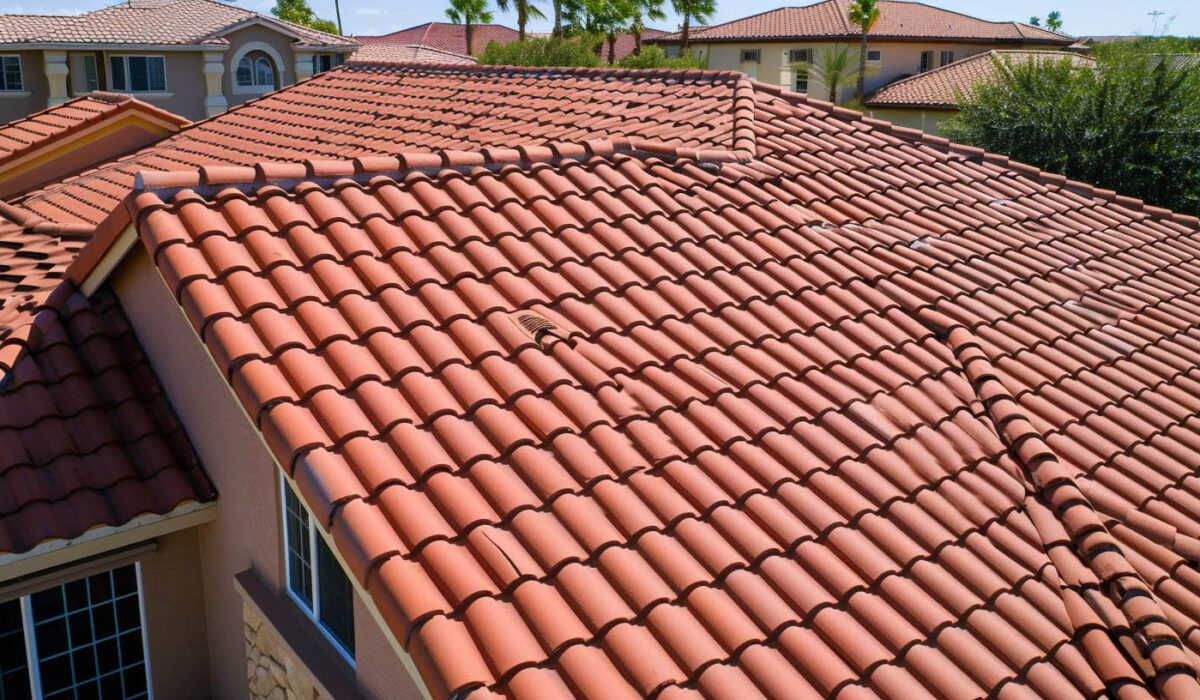
Tile Roofing San Diego understands that a tile roof is more than clay or concrete tiles on the surface. The real performance of a tile roof depends on the full system underneath: attic airflow, underlayment condition, roof deck health, flashing details, vent placement, and installation quality. In San Diego, CA, where inland heat, coastal moisture, and seasonal temperature shifts affect homes differently, proper ventilation can play a major role in extending the service life of a tile roof.
Tile roofing is known for durability, beauty, and long-term value, but even a strong clay tile roof can develop hidden problems when trapped heat and moisture build beneath the roof assembly. The tiles may look intact from the ground, while the attic, underlayment, and decking are already under stress. That is why ventilation should never be treated as a minor detail during roof maintenance San Diego homeowners schedule. It is one of the quiet factors that helps protect the roof system year after year.
Why Ventilation Matters for Tile Roof Performance
A tile roof is designed to shed water, resist sunlight, and provide long-term protection. However, the roof surface is only one part of the system. Heat and moisture must also be managed below the tiles and inside the attic space. Without balanced airflow, warm air can become trapped, humidity can linger, and roofing materials can age faster than expected.
Proper attic ventilation helps move hot, moist air out of the attic while allowing replacement air to enter through intake vents. ENERGY STAR notes that attic fans and ventilation systems are designed to move hot attic air outside when the attic has proper intake ventilation and air sealing, which helps explain why ventilation must be treated as a system rather than a single vent or fan. You can learn more from ENERGY STAR’s guide to attic ventilation.
For tile roofs, this matters because trapped attic heat can affect the roof deck, fasteners, underlayment, insulation, and interior comfort. Moisture buildup can also create conditions that encourage wood deterioration, mildew, musty odors, and staining around ceilings or attic framing.
Contact Us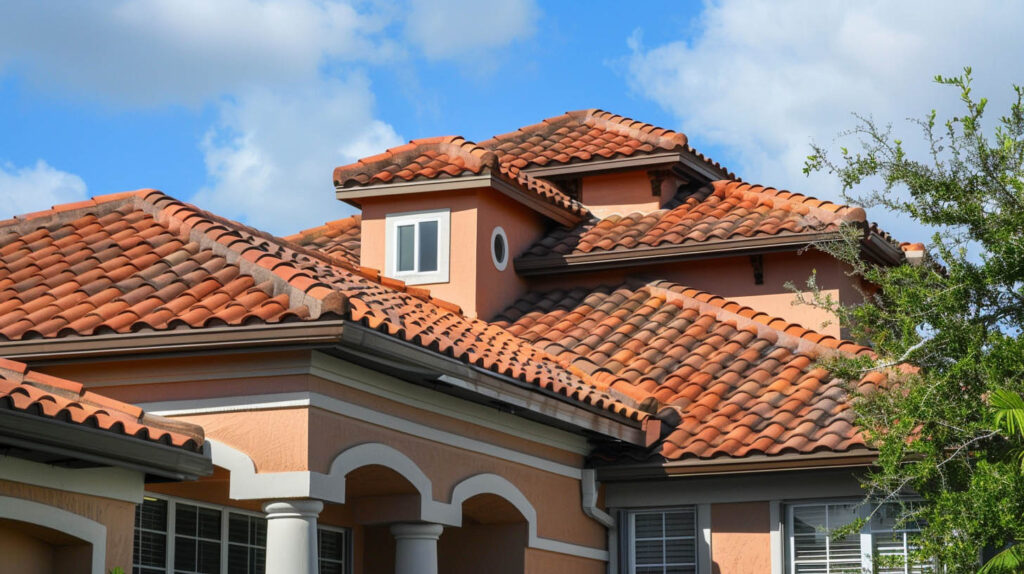
San Diego Climate Conditions Make Roof Ventilation Especially Important
San Diego does not have one uniform roofing climate. Homes near the coast may deal with marine layer moisture, salt air, and frequent overnight humidity. Homes farther inland can experience stronger heat buildup, more intense sun exposure, and warmer attic temperatures during dry months. Both conditions can affect tile roofing in different ways.
In coastal areas, moisture can linger around attic spaces, roof penetrations, and underlayment layers. Even when rain is not heavy, repeated humidity can gradually stress wood framing and moisture-sensitive materials. For homes closer to inland communities, heat buildup can be the greater concern. A poorly ventilated attic can become extremely hot, placing extra stress on the underlayment beneath the tile.
This is why roofing San Diego properties requires more than choosing attractive tiles. A durable system must account for local microclimates, roof slope, attic layout, vent placement, insulation condition, and the original tile roof installation quality.
Heat Buildup and Underlayment Aging
Many homeowners focus on broken roof tiles because they are visible. Broken tiles matter, especially when they expose the waterproofing layer beneath. However, heat buildup can damage a tile roof even when no obvious surface damage is visible.
The underlayment beneath clay or concrete tiles is one of the most important protective layers in the roof system. Tile sheds most of the water, but the underlayment provides secondary protection when wind-driven rain, condensation, or small amounts of water move beneath the tiles. When attic heat remains trapped for long periods, the underlayment can dry out, become brittle, lose flexibility, or age faster than expected.
This is one reason ventilation and underlayment inspection should be part of long-term tile roof care. If underlayment deterioration is ignored, a roof can begin leaking even if many of the tiles still appear structurally sound.
Moisture Problems Beneath Tile Roofs
Moisture does not always enter through a major roof opening. It can develop from interior humidity, bathroom exhaust problems, blocked attic airflow, coastal air, small roof leaks, or condensation on cooler surfaces. When moisture has nowhere to escape, it can affect insulation, roof decking, rafters, and attic air quality.
Warning signs may include musty attic odors, dark staining on wood, damp insulation, ceiling discoloration, peeling paint near upper walls, or recurring condensation issues. These symptoms do not always mean the roof tiles have failed. They may indicate that ventilation, air sealing, flashing, or underlayment needs closer evaluation.
A tile roof inspection can help separate surface tile problems from deeper system issues. For example, a cracked vent tile, blocked intake vent, slipped tile, deteriorated pipe flashing, or restricted attic airflow may all contribute to moisture problems in different ways.
Ventilation and Tile Roof Installation Quality
Proper ventilation starts with design and installation. A tile roof must have the right balance of intake and exhaust ventilation for the attic configuration. Intake vents are commonly located near eaves or soffits, while exhaust vents are placed higher on the roof or near the ridge. The goal is steady air movement, not random openings.
Poor installation can limit this airflow. Insulation may block soffit vents. Roof vents may be installed in the wrong location. Tile profiles may restrict airflow if details are not handled correctly. Replacement materials may be installed without reviewing how the attic breathes. In some homes, previous repairs may have covered, removed, or reduced ventilation without the homeowner realizing it.
This is why tile roof installation quality matters even years after the roof is completed. A roof can have premium tile but still suffer from poor airflow if the ventilation plan was not handled properly.
How Ventilation Helps Extend Tile Roof Life
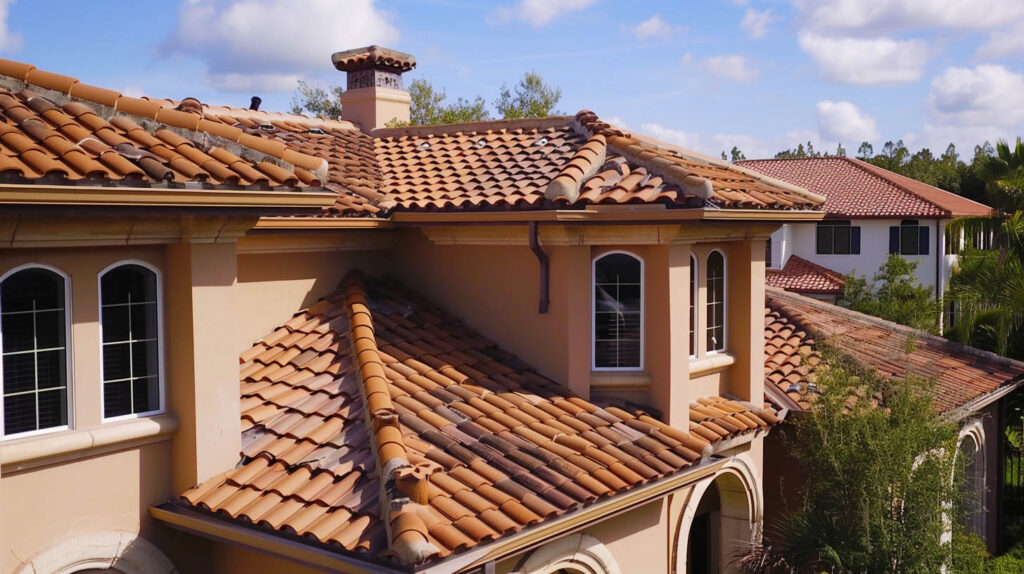
Proper ventilation can help extend the life of a tile roof by reducing temperature extremes and moisture stress. While tile itself is highly durable, the materials beneath it are more vulnerable to heat, trapped vapor, and long-term deterioration.
A well-ventilated roof system may help:
- Reduce attic heat buildup during warm San Diego weather
- Support longer underlayment service life
- Limit moisture accumulation in attic spaces
- Protect roof decking from hidden deterioration
- Improve indoor comfort in upper rooms
- Reduce the risk of musty attic conditions
- Support more consistent roof system performance
This is especially important for residential roofing San Diego homeowners with older tile roofs. Many tile roofs last for decades, but underlayment, flashing, and ventilation components often need attention before the tiles themselves reach the end of their useful life.
Common Signs Your Tile Roof May Have Ventilation Problems
Ventilation problems are not always obvious from the street. A roof can look clean and intact while the attic tells a different story. Homeowners should pay attention to signs that suggest heat or moisture may be building up beneath the tile roof system.
Possible warning signs include unusually hot upper rooms, musty attic smells, dark attic staining, damp insulation, visible mold-like growth, rusted nails, warped roof decking, ceiling stains, or recurring leaks after mild rain. Some homeowners also notice that their air conditioning runs harder during hot inland weather, especially when attic heat is not escaping properly.
These symptoms should not be ignored. They may point to attic ventilation issues, blocked vents, damaged underlayment, or hidden tile roof repair San Diego needs.
Why Attic Inspection Should Be Part of Tile Roof Maintenance
A tile roof maintenance visit should not focus only on the visible tile field. The attic can reveal problems that are impossible to confirm from the roof surface alone. During an attic inspection, a roofing professional can evaluate air movement, moisture staining, insulation placement, roof deck condition, fastener corrosion, and signs of past leaks.
This is especially useful after roof work by other contractors. Solar installers, chimney contractors, pest control companies, satellite installers, and inspectors may need to access the roof. Foot traffic can lead to broken roof tiles, shifted tiles, or small penetrations that affect the system. When roof access occurs, a follow-up inspection can help confirm that ventilation pathways, tiles, flashing, and underlayment remain intact.
A professional attic and roof review can also help determine whether a ventilation issue is isolated or part of a larger roofing problem.
Ventilation, Repairs, and Replacement Decisions
Not every ventilation issue requires a full roof replacement. In many cases, roof maintenance or targeted repairs can correct blocked vents, damaged tiles, flashing issues, or minor moisture-related problems. However, when underlayment is aged, brittle, or failing across large areas, replacement planning may be more appropriate.
This is where a detailed inspection becomes important. A roofing professional can determine whether the roof needs simple maintenance, tile reset work, ventilation improvements, underlayment repair, or a more complete tile roof replacement evaluation. The right decision depends on the roof age, tile condition, underlayment condition, attic findings, leak history, and the quality of previous installation or repair work.
For commercial roofing San Diego properties with tile systems, ventilation concerns may also intersect with building use, attic access, mechanical equipment, and maintenance history. Larger roof areas can hide moisture or airflow problems for longer periods, making scheduled inspections even more important.

Preventive Tile Roof Maintenance for Better Ventilation
Preventive maintenance helps identify small ventilation and moisture problems before they become expensive roof failures. Maintenance may include checking vents, clearing debris, replacing broken tiles, inspecting flashing, reviewing attic conditions, identifying blocked intake areas, and looking for underlayment exposure.
Homeowners should be cautious about walking on clay tile roof surfaces. Clay and concrete tiles can crack under foot traffic, especially when walked on incorrectly. Broken tiles may then allow water, debris, and sun exposure to reach the underlayment. Professional roofers understand how to move across tile roofs more safely and how to identify damage caused by prior foot traffic.
Regular roof maintenance San Diego homeowners schedule can help protect both the visible tile and the hidden roof structure beneath it.
Conclusion
Proper ventilation is one of the most important hidden factors in the lifespan of a tile roof. It helps manage San Diego inland heat, coastal moisture, attic humidity, and underlayment stress. When ventilation is ignored, roof tiles may still look attractive while the materials underneath age faster than they should.
If you want to protect your tile roof before heat, moisture, broken tiles, or underlayment wear turn into costly damage, schedule professional Tile Roof Maintenance with Tile Roofing San Diego. Our team can evaluate your tile roof, attic conditions, ventilation details, and maintenance needs so your roof system stays stronger for the long term.
Read our blog: Seasonal Tile Roof Care Checklist for Southern California Homeowners
FAQ
How does poor ventilation shorten the life of a tile roof?
Poor ventilation traps heat and moisture beneath the roof system. Over time, this can dry out underlayment, increase attic humidity, contribute to roof deck deterioration, and make hidden leaks harder to detect. Tile may remain durable on the surface, but the supporting materials underneath can age faster when airflow is restricted.
Can ventilation problems cause roof leaks?
Ventilation problems do not always cause leaks directly, but they can contribute to conditions that make leaks more likely. Moisture buildup can affect decking, fasteners, insulation, and underlayment. If broken roof tiles, failed flashing, or aged underlayment are already present, poor ventilation can make the damage worse and allow problems to spread.
How often should a tile roof and attic be inspected for ventilation issues?
A tile roof and attic should be inspected regularly as part of ongoing maintenance, especially after storms, roof foot traffic, solar work, chimney work, or visible tile damage. Older tile roofs should be checked more carefully because the underlayment may be aging even when the tiles still look strong.