

Living in San Diego, CA means enjoying beautiful weather, but this environment presents unique challenges for your home’s roof. The constant sun, coastal air, and temperature changes demand a robust solution. At Tile Roofing San Diego, we stand out as a durable and stylish choice, perfectly suited to handle these conditions. Understanding the science behind its resilience can help you make the best decision for protecting your home.
Understanding San Diego’s Unique Microclimates
San Diego’s climate is more complex than it appears, with distinct microclimates that affect your roof differently. A home near the coast faces a separate set of unique challenges compared to a property in one of the inland areas. These environmental variations have a direct scientific impact on your roof structure and its long-term durability. Recognizing whether your home is in a coastal or inland microclimate is the first step toward choosing the right materials and maintenance plan. We will explore the specific differences between these zones and how they influence the performance of your tile roof.
Contact UsCoastal vs. Inland Climate Differences
Coastal and inland climates in San Diego, CA impact tile roof durability differently. Coastal areas have high humidity and salt air, causing faster wear on roofing materials. This requires protective coatings and corrosion-resistant materials to prevent damage. Inland areas face extreme temperature swings, leading to thermal expansion and contraction. Good ventilation and heat management are crucial to protect the roof’s lifespan. Recognizing these microclimate differences helps homeowners choose suitable roofing materials and maintenance routines, improving energy efficiency and protecting their investment.
Effects of Humidity, Temperature Fluctuations, and Salt Air
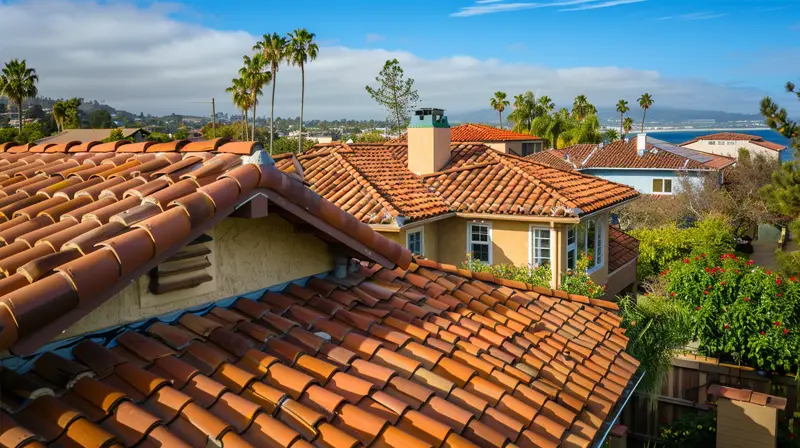
San Diego’s microclimates directly affect your roof’s lifespan. Coastal homes face high humidity and salt air, which corrode metal fasteners and underlayment, demanding extra protection. Inland areas experience extreme temperature swings that cause roofing materials to expand and contract, leading to cracks over time if not properly resilient. Constant sun exposure in both regions also causes UV damage, fading colors and weakening materials. Considering these factors is essential for a long-lasting roof.
Why Microclimate Science Matters for Roof Durability
Understanding your local microclimate is essential to protect your investment. Choosing a roof without considering these factors can lead to early failure and costly repairs. For San Diego homeowners, this knowledge helps you pick materials built for local conditions. Tile roofs last longer in San Diego because clay and concrete offer excellent thermal mass, buffering temperature swings. Their natural resistance to fire, moisture, and UV rays makes them superior to less durable options. Selecting the right roofing material for your microclimate is crucial to maintaining your roof’s longevity.
The Science Behind Tile Roofing Materials
When it comes to tile roofing materials, the two primary choices are clay and concrete. Both options offer an incredible roof’s lifespan, often lasting 50 years or more, far outperforming materials like asphalt shingles. Their durability is rooted in the way they are manufactured and how they react to environmental stressors. Unlike metal roofing, which can face corrosion, clay and concrete tiles are inherently resistant to many of San Diego’s harshest elements. Let’s look at the science behind what makes each material a great fit for your home.
Clay Tiles: Longevity in Harsh Environments
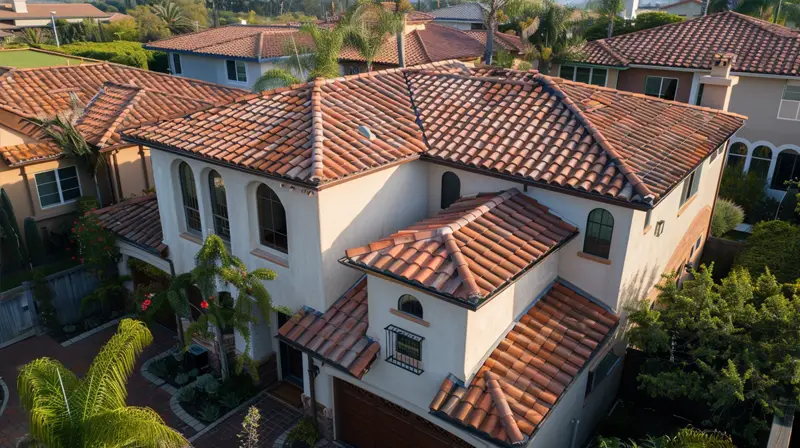
Clay tiles are highly durable, making them ideal for roofing in both coastal and inland San Diego. They withstand extreme temperatures and intense UV exposure thanks to their strong material properties. Unlike asphalt shingles, clay tiles absorb heat efficiently, keeping homes cooler during summer and reducing energy costs. They also resist moisture, protecting against water damage and extending roof lifespan. Their natural resistance to salt air makes them especially suitable for coastal areas, minimizing repair needs. Choosing clay tiles preserves roof integrity while delivering long-term energy efficiency and lasting visual appeal.
Concrete Tiles: Adaptability in San Diego’s Climate
Concrete tiles are highly versatile and durable, making them ideal for San Diego’s climate. Made from sand, cement, and water, they’re formed under high pressure into various styles, profiles, and colors. A key advantage is their thermal mass—they absorb and release heat slowly, helping regulate attic temperatures and improve energy efficiency. For roof replacements, concrete tiles offer a cost-effective, long-lasting solution that withstands both coastal and inland conditions, with a lifespan of 40 to 50 years.
Are Cool Roof Tiles Beneficial in San Diego?
Cool roof tiles reflect sunlight, significantly reducing heat absorption, which is especially beneficial in San Diego’s varied climates. These innovative tiles help regulate indoor temperatures, enhance energy efficiency, and lower cooling costs for homeowners. By keeping homes cooler in the summer and warmer in the winter, they provide year-round comfort. This makes them a smart and sustainable choice for homeowners seeking durability and comfort in both coastal and inland areas of San Diego, CA.
How the Coastal Climate Influences Tile Roof
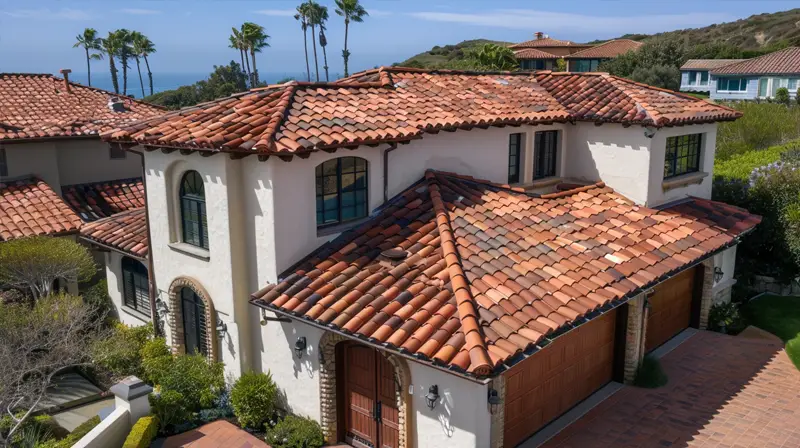
The coastal climate in San Diego introduces specific scientific challenges that can impact tile roof durability. The persistent coastal salt air, intense UV rays, and high humidity work together to test the limits of any roofing system. While tiles themselves are highly resistant, the components holding them together can be vulnerable to roof damage. Understanding these factors is key to building a roof that lasts. Proper material selection, protective coatings, and adequate ventilation are essential to combat the unique wear and tear of a seaside environment.
Salt Air Corrosion and Its Impact
Salt-laden marine air can reach your home even far from the beach, threatening metal roof components like flashings, fasteners, and valleys. Salt speeds up rust and corrosion, weakening these critical parts over time. While clay and concrete tiles resist salt damage, your roof still relies on its metal elements. If fasteners corrode, tiles may loosen and let water in. A skilled roofing contractor will use corrosion-resistant metals like galvanized steel or aluminum and apply protective coatings to exposed metal. These measures help your roof withstand harsh coastal conditions.
Intense UV Radiation Facing Coastal Properties
Coastal properties in San Diego face intense UV exposure with minimal haze or cloud cover. These strong UV rays can degrade roofing materials, mainly affecting color and protective finishes, causing fading and a chalky look over time. While high-quality tiles usually retain their structural integrity, the underlayment beneath them is vulnerable if exposed by cracked or shifted tiles. Sunlight can quickly break down this underlayment. Choosing tiles with through-body color or premium roof coatings helps preserve your roof’s appearance and protects its surface from sun damage, extending its lifespan.
Moisture Management Challenges Near the Ocean
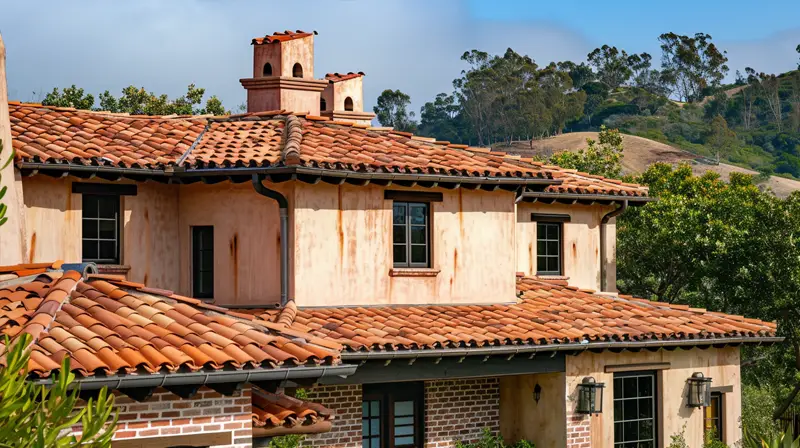
Maintaining a roof in coastal areas brings unique moisture challenges. High humidity and salty air accelerate roofing wear, increase water damage risk, and encourage mold growth—making regular inspections essential. Protective coatings on roofing materials can improve resistance to moisture. Proper ventilation is also crucial; without it, trapped moisture can damage the roof and reduce energy efficiency, raising utility costs. San Diego homeowners should address these issues to extend their roof’s lifespan and avoid expensive repairs.
Tile Roof Performance in Inland San Diego
Inland San Diego presents a different but equally demanding environment for tile roofs. Here, the primary challenges are not from salt and humidity, but from greater temperature swings and prolonged dryness. These conditions create a unique kind of stress on roofing systems that requires careful consideration during material selection and installation. Fortunately, tile roofs are scientifically well-equipped to handle these inland pressures. Their inherent properties can also lead to significant energy savings, helping to lower your utility bills. Let’s explore how tile performs under these specific conditions.
Greater Temperature Swings and Their Effects
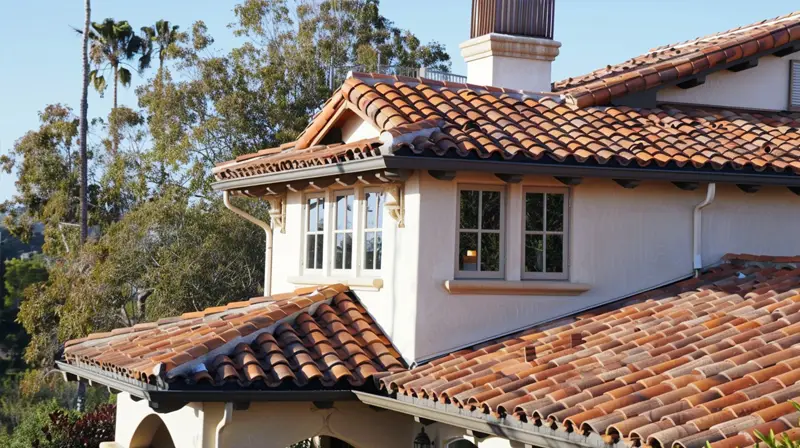
San Diego’s inland areas see wide temperature swings, with hot days and cool nights causing building materials to expand and contract. Over time, this thermal cycling stresses roofing systems, especially at seams and joints. Tile roofing is ideal for these conditions. Individual tiles can move slightly without affecting the roof’s integrity, unlike large, continuous flat roofs. Their interlocking design helps the roof adapt to temperature changes. Additionally, clay and concrete tiles absorb heat slowly and release it gradually, protecting the structure from extreme temperature shifts and enhancing long-term stability.
Wind and Dryness
San Diego’s inland valleys often face dry conditions and strong winds like the Santa Anas, which can stress roofing systems. While dryness doesn’t damage the tiles, it can make underlayment materials brittle over time. Strong winds test how well tiles are secured. Improperly fastened tiles may be lifted or dislodged, exposing the underlayment and increasing leak risk during rain. Expert installation is essential to ensure tiles withstand wind uplift. Regular maintenance—such as checking for loose or shifted tiles after wind events—helps extend your roof’s lifespan and prevent problems.
Maintenance and Installation
A tile roof can last over 50 years, but its longevity is not automatic. The quality of the installation and a commitment to regular maintenance are just as important as the material itself. A flawless installation by a certified contractor ensures the roof structure is sound and every component is correctly placed to protect the roof’s integrity. After installation, simple, proactive care can prevent small issues from becoming major problems. Regular roof inspections and timely cleaning are the keys to unlocking the maximum lifespan of your investment and ensuring decades of worry-free performance.
Recommended Maintenance Routines for San Diego Homeowners
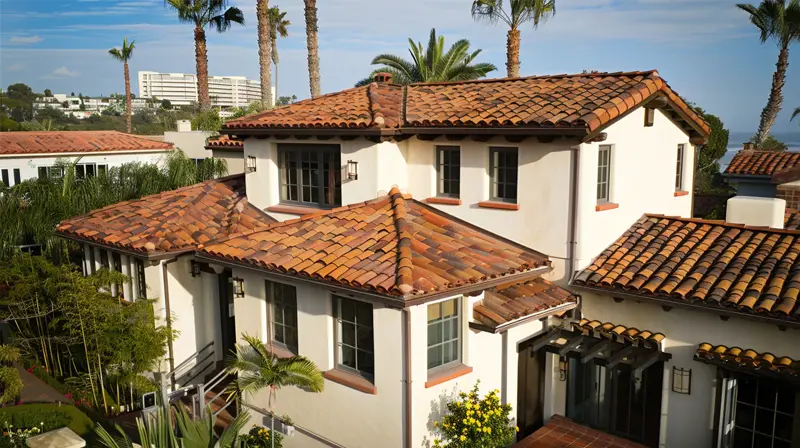
Regular inspections help San Diego homeowners extend tile roof lifespan. Check twice a year, especially before and after summer, for debris that blocks drainage and causes water damage. Clean routinely to prevent mold and algae, especially in humid inland areas. Apply protective coatings to guard against UV rays and coastal salt air; this boosts efficiency and may lower energy bills. Using quality materials and consistent upkeep keeps tile roofs resilient in Southern California’s climate.
Selecting a Certified Contractor
The quality of your roof installation is crucial to its performance. Choosing a certified contractor ensures the job is done right. At Tile Roofing San Diego, our Owens Corning Preferred Contractor and GAF Master Elite Contractor certifications reflect our commitment to top industry standards. Our team’s extensive training and proven expertise guarantee lasting roof installations and replacements. We combine traditional craftsmanship with innovative techniques for durable results in every San Diego roofing project. Partnering with us means you get superior materials and the best warranties available, protecting your investment for decades.
Call Us 619-350-1086What’s Next
Understanding tile roof durability in San Diego’s varied microclimates is essential for homeowners. Coastal and inland areas pose specific challenges, like salt air corrosion and temperature shifts, making proper material selection and maintenance vital. Choosing quality clay or concrete tiles and working with certified contractors, such as Owens Corning Preferred or GAF Master Elite, ensures your roof’s longevity. Protect your investment—contact us today for a consultation on maximizing your roof’s durability against San Diego’s climate.
Read our blog: Common Tile Roof Problems in San Diego
Frequently Asked Questions
What kind of tile roof lasts longest in San Diego’s climate?
Both clay tiles and concrete tiles can last 50 years or more in San Diego’s climate. The key to a long roof’s lifespan is not just the tile itself, but a high-quality underlayment, expert installation, and proper ventilation to manage heat and moisture.
Are special underlayments needed for salt air protection?
Yes, for coastal homes exposed to salt air, using a high-quality, corrosion-resistant underlayment is crucial. It adds a vital layer of protection for the roof structure. Additionally, using protective coatings on all metal components prevents corrosion and extends the roof’s life.