
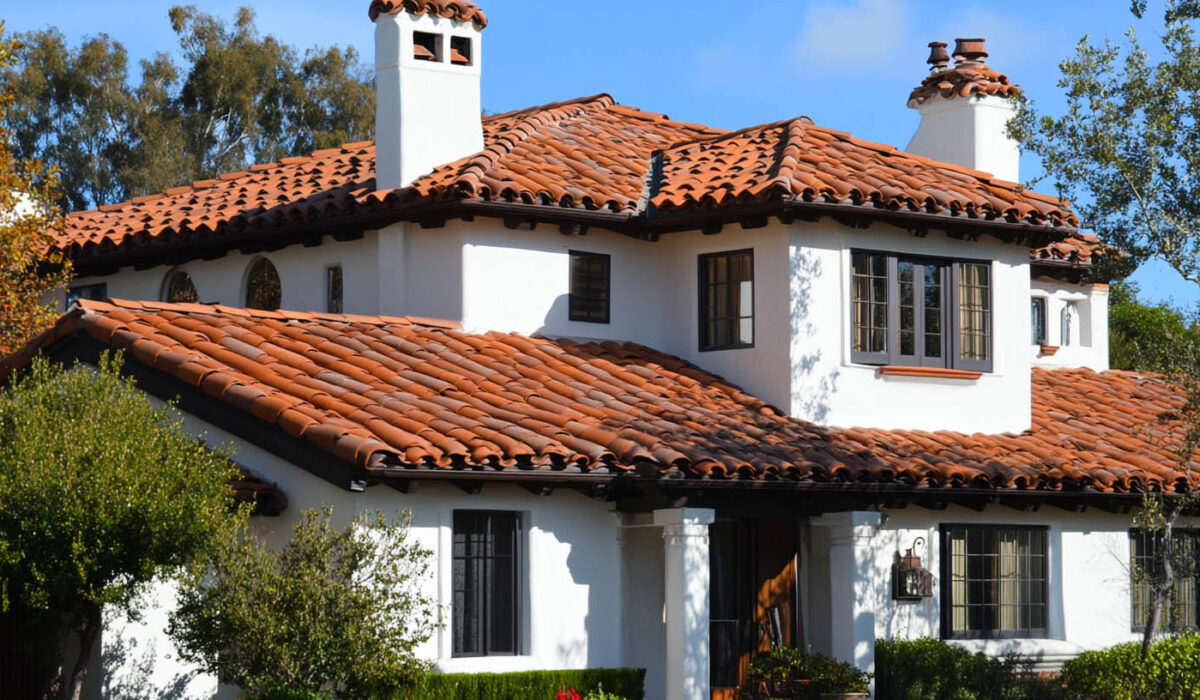
A tile roof offers timeless beauty and exceptional durability, making it a popular choice for homes across San Diego. However, if you own an older home, the weight of these roofing materials is a critical consideration. You must ensure your home’s structure can support the new load. This guide will walk you through the important weight considerations to ensure your roofing project is both beautiful and safe. For expert advice and services, consider reaching out to Tile Roofing San Diego.
Understanding Tile Roof Weight
When selecting roofing materials, consider their weight, as it impacts your home’s structural load. Tile roofs are among the heaviest and require careful planning to avoid compromising stability. This is especially important for older San Diego homes, which may not be built to support heavy tile roofs due to outdated construction methods and building codes. We’ll review the specific weight differences and why they matter for your home’s safety.
Contact UsTypical Tile Weights Versus Lightweight Alternatives
Comparing tile weights is crucial for San Diego homeowners considering roofing projects. Traditional clay tiles weigh 900–1,200 pounds per square, adding significant load to older homes. Lightweight options like metal or synthetic tiles weigh as little as 300 pounds per square, helping preserve structural integrity—especially in homes built before the 1960s. Choosing the right roofing material goes beyond aesthetics; it requires understanding environmental factors and your roof’s load-bearing capacity. Lightweight materials are easier to install, offer better energy efficiency, and are ideal for homes in fire hazard zones.
Why Weight Matters for Older Home Structures
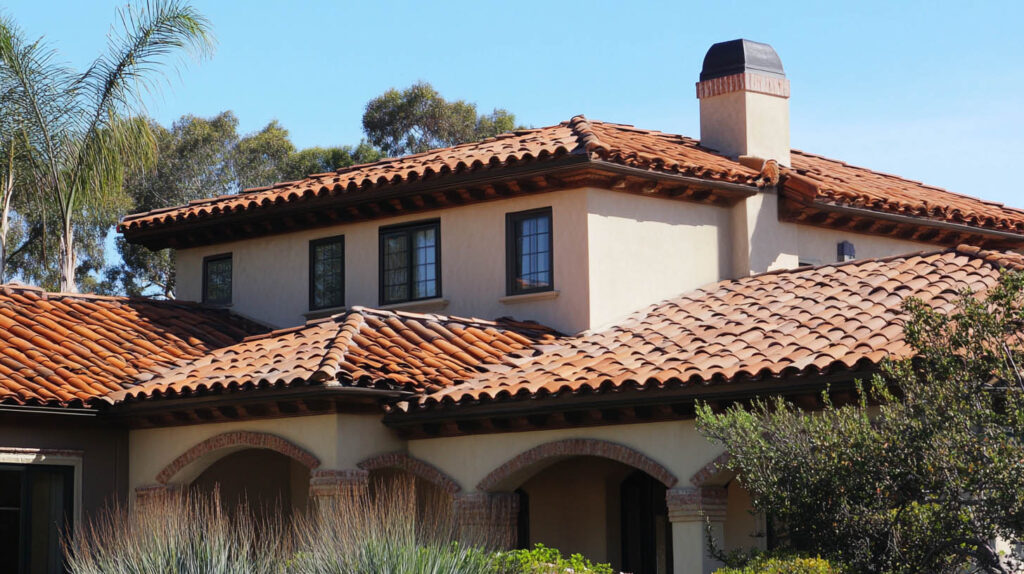
For older San Diego homes, roofing material weight is key to safety and durability. Heavy options like clay tiles can strain roof structures, risking stress and damage. Reinforcing frameworks is essential to support added weight without affecting energy efficiency or structural integrity. In hot or extreme weather areas, lightweight materials such as asphalt shingles or metal roofing offer practical solutions without compromising quality. Homeowners should get a professional assessment to ensure their roof’s design meets local building codes. This helps prevent future structural issues.
Assessing the Structure of Older San Diego Homes
Before installing a tile roof, have your older San Diego home professionally assessed. This ensures safety and longevity. An expert can determine if your current structure can support the weight of new tiles. Many pre-1960s homes were built to different standards and may not be designed for heavier roofing materials. Consult a structural engineer to inspect your home and make necessary calculations. Next, we’ll discuss what to look for and signs your roof may need upgrades.
Identifying Load-Bearing Capacity in Pre-1960s Construction
Determining your roof’s load-bearing capacity requires a qualified professional, not DIY effort. A structural engineer can assess your home’s framework and determine how much weight it can safely support—essential for older San Diego homes considering tile roofs. During the assessment, the engineer examines rafter and truss size, spacing, and condition. For pre-1960s homes, this inspection is especially thorough due to varying building practices and potential modifications over time. Only a professional can confirm if your roof is ready for new tile. Their expert evaluation protects your investment and ensures safety. Don’t guess—get a professional assessment.
Minimum Roof Covering Standards in San Diego
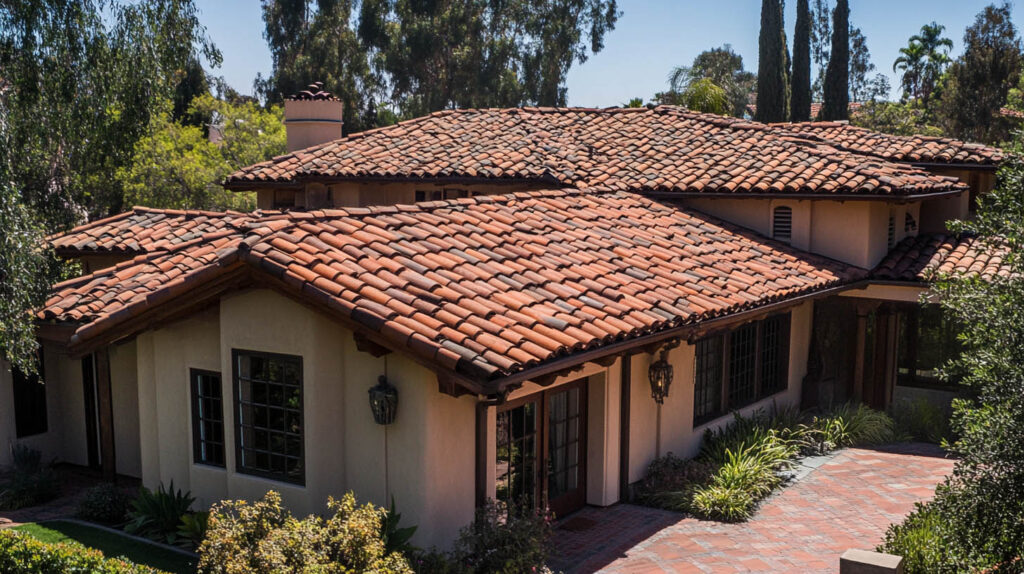
Any roofing project in San Diego must follow local regulations to ensure safety and quality. These rules protect homeowners and uphold city building standards. Before starting a tile roof installation on an older home, understand all requirements. San Diego’s local codes, based on the California Building Code, set minimum standards for roof coverings and require permits before work begins. Navigating these permits and inspections is essential, and we’ll cover what you need to know.
Permit Requirements for Tile Roof Installations
Obtaining the proper permits is crucial for tile roof installation in San Diego to comply with local building codes. Homeowners must submit detailed plans showing structural reinforcement for heavier materials like clay or concrete tiles. Consulting a structural engineer can help ensure your roof supports the added weight and maintains integrity. Permits also address environmental concerns, including weather risks and fire regulations. Securing permits streamlines installation, protects your investment, improves energy efficiency, and ensures compliance with California building codes.
Safe Tile Roof Installation
If an assessment determines that your roof’s structure cannot support the added weight of tiles, you are not out of options. In many cases, structural modifications can be made to prepare your home for a tile roof. These changes are designed to fortify your home’s framework. This process, known as structural reinforcement, strengthens the roof to safely manage the new load. It is a common step when upgrading older homes to heavier roofing materials. The following sections will detail the types of modifications that might be needed and the importance of working with a certified contractor.
Reinforcing Rafters, Joists, and Trusses
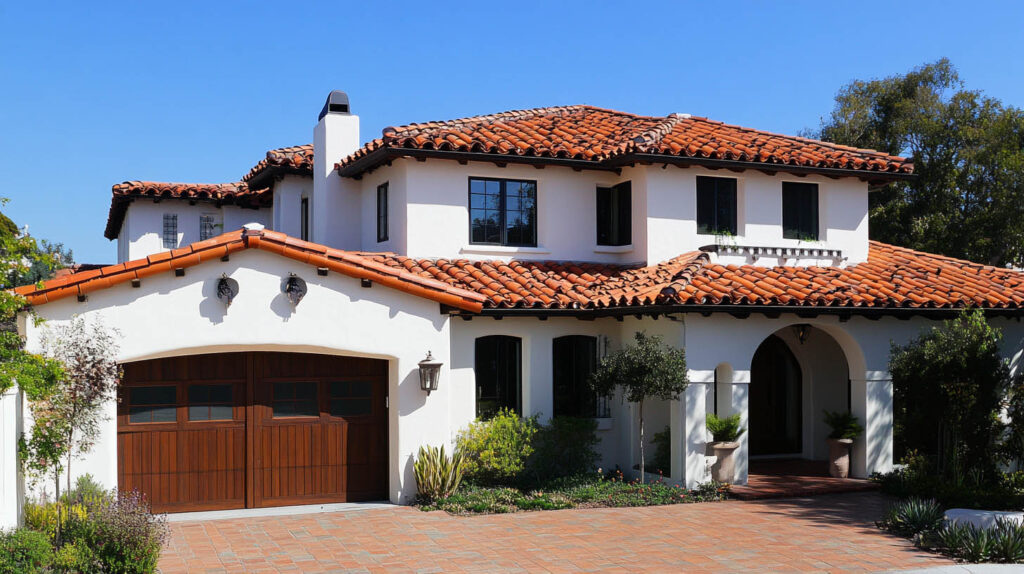
Reinforcing rafters, joists, and trusses is essential when installing a tile roof on older San Diego homes. Heavy materials like clay and concrete tiles require a structural evaluation to ensure the roof can handle the added weight. A structural engineer can recommend necessary upgrades. Additional support improves load-bearing capacity, safety, and longevity—especially in areas with extreme weather. Proper reinforcement ensures a successful roofing project and maintains your home’s stability.
Working With a GAF Master Elite Contractor in San Diego
For complex roofing projects involving structural work, choosing the right contractor is essential. Tile Roofing San Diego is a GAF Master Elite Contractor—a distinction awarded to only a select few—demonstrating our commitment to quality installation and customer service. As both a GAF Master Elite and Owens Corning Preferred Contractor, we offer industry-leading warranties. Our combination of traditional craftsmanship and modern techniques ensures durable, long-lasting roofs in San Diego. We provide comprehensive roofing services, working with structural engineers for load calculations and weight checks. From assessment to reinforcement and final installation, we deliver seamless, stress-free projects.
Comparing Popular Roofing Materials for Older Homes
Choosing the right roofing material for older San Diego homes with weight concerns requires balancing aesthetics, durability, and structural load. With several options available, it is important to understand the pros and cons of each type of roof to make an informed decision for your property. From traditional tiles to modern composites, each material places a different demand on your home’s structure. Finding the right roofing material ensures you get the look you want without compromising safety. Let’s compare some of the most common roofing types that work for older homes.
Spanish Tile, Concrete Tile, and Composite Options
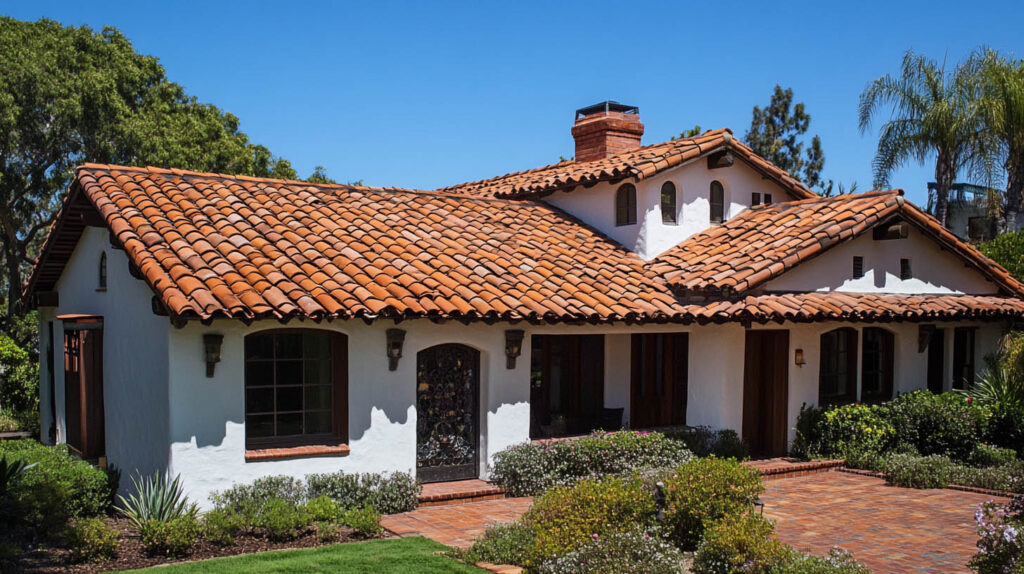
Spanish tiles offer classic aesthetics and durability but can be too heavy for older San Diego homes, requiring careful assessment of the roof’s structure. Concrete tiles mimic Spanish tiles, are more affordable, and balance weight with durability. Composite roofing materials are a lightweight, modern alternative that replicate traditional tile looks without the extra weight. Considering local climate and energy efficiency is essential when choosing roofing materials. Evaluating all options helps homeowners select the best material for their roof and comply with building codes.
Call Us 619-350-1086Let’s Make It Happen
Understanding tile roof weight is crucial for the safety and integrity of older San Diego homes. As a GAF Master Elite and Owens Corning Preferred Contractor, we stress assessing your home’s structural capacity before installation. Working with qualified professionals ensures you choose the right roofing material—whether traditional Spanish tiles or modern lightweight options—and stay compliant with local codes. For expert guidance and a thorough evaluation, contact us.
Read our blog: Why Proper Flashing Is Critical for Long-Lasting Tile Roofs
Frequently Asked Questions
How can I determine if my current roof supports a new tile installation?
The only sure way to know is through a professional assessment from a licensed structural engineer. They will inspect your roof’s structural integrity and calculate its load-bearing capacity to determine if it can safely support the weight of new roofing materials like tile.
Are there risks to installing heavy tiles on older homes in San Diego?
Yes, placing heavy tiles on an unprepared existing roof creates a dangerous structural load. The added weight can lead to sagging, cracking, and even catastrophic failure of the roof structure, making a professional assessment critical for any roofing project on an older San Diego home.