
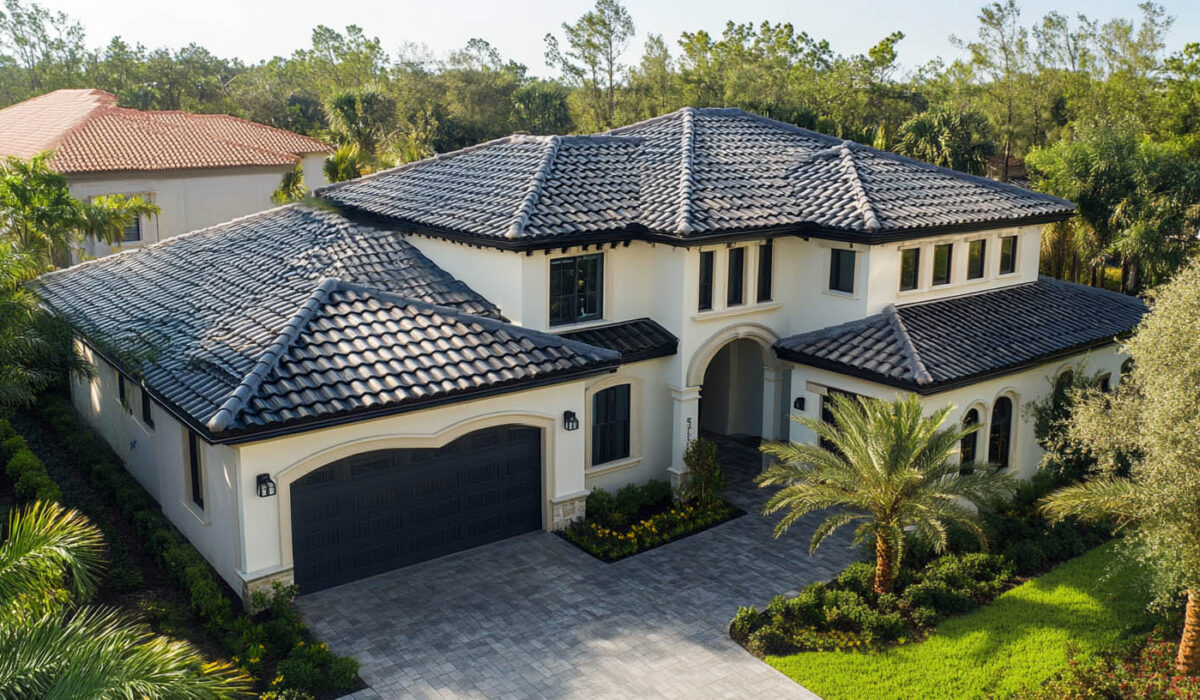
Choosing the right roof tile brand can shape the appearance, durability, resale value, and long-term performance of a home for decades. At Tile Roofing San Diego, we help homeowners compare tile options based on climate exposure, architectural style, structural requirements, HOA expectations, color availability, and the condition of the existing roof system.
San Diego homes often need more than a beautiful tile. Coastal air, inland heat, hillside wind exposure, Spanish-style architecture, aging underlayment, and neighborhood design rules all affect which roof tile makes the most sense. A premium tile roof should look appropriate for the home, perform well under Southern California conditions, and remain serviceable when individual tiles need replacement, matching, or repair years later.
The best roof tile brand is not always the most expensive one. The right choice depends on whether the home needs clay tile, concrete tile, lightweight tile, barrel tile, flat tile, S-tile, or a specialty profile that matches an existing roof. Warranty terms, color consistency, regional availability, installation details, and compatibility with the roof structure are just as important as the name stamped on the tile.
Why Roof Tile Brand Choice Matters in San Diego
Tile roofing is one of the most recognizable roofing systems in San Diego. From Spanish Revival homes near coastal neighborhoods to Mediterranean and mission-style properties across inland communities, clay and concrete tile roofs are closely tied to Southern California architecture.
The challenge is that not every tile brand, profile, or color blend works for every home. A tile that looks perfect on a new custom build may not match an older roof after decades of sun exposure. A premium imported clay tile may offer rich character, but it may also require specific installation details and a larger budget. A concrete tile may provide strong value, but the profile, finish, and color range still need to match the home’s design.
For homeowners comparing tile roofing San Diego options, brand selection should be made after looking at the roof structure, slope, existing tile profile, underlayment condition, drainage layout, and architectural requirements. This is especially important for replacement planning, restoration work, and premium tile upgrades.
Contact Us
Clay vs. Concrete Roof Tile Brands
Most roof tile brands fall into two major categories: clay tile and concrete tile. Both are widely used in Southern California, but they serve different needs.
Clay Roof Tile
Clay tile is valued for its color richness, traditional appearance, and long-term resistance to fading. Many Spanish tile roofs use clay because the material fits historic, Mediterranean, and mission-style architecture. Clay is fired at high temperatures, which helps create lasting color and a dense, durable finish.
Clay tile is often selected for premium homes, historic properties, luxury remodels, and projects where visual authenticity matters. It can be more expensive than concrete tile, and some profiles may require special ordering, careful handling, or experienced installation.
Clay tile can be an excellent choice when the homeowner wants a true Spanish, barrel, mission, or handcrafted look. It is also useful when preserving the character of an older San Diego home.
Concrete Roof Tile
Concrete tile is one of the most common tile roofing materials in Southern California. It is versatile, widely available, and offered in many colors, shapes, and textures. Concrete tile can mimic clay, slate, shake, and flat modern profiles while often providing a more budget-flexible option.
Concrete tile is frequently used for replacement projects because many profiles are easier to source through regional suppliers. For homeowners who need color matching, partial roof repair, or tile roof restoration, concrete tile brands may offer more practical options than rare or discontinued clay lines.
Concrete tile is also popular for homeowners who want the appearance of a premium tile roof while balancing cost, availability, and warranty coverage.
Leading Roof Tile Brands to Compare
San Diego homeowners usually compare tile brands based on availability, profile selection, color range, warranty, and architectural fit. Several brands are commonly discussed for clay and concrete tile roofing in Southern California.
Eagle Roofing Products
Eagle Roofing Products is one of the most recognized concrete roof tile manufacturers in the western United States. The company offers concrete tile in multiple regional collections, and its tile availability can vary by market, which matters when homeowners are trying to match an existing roof. Eagle notes that roof tiles are subject to regional availability, making location-specific selection important for California projects.
Eagle is often a strong option for homeowners who want concrete tile with broad style flexibility. Their profiles can work for Spanish, Mediterranean, contemporary, and traditional homes. Depending on the selected line, homeowners may find S-tile, flat tile, shake-like tile, and barrel-inspired options.
For tile roof San Diego projects, Eagle can be especially useful when the homeowner wants a balance of availability, warranty support, profile variety, and practical replacement options.
Best For
Eagle is often a good fit for homeowners who need concrete tile, regional availability, multiple color blends, and a practical balance between premium appearance and long-term serviceability.
Westlake Royal Roofing Solutions
Westlake Royal Roofing Solutions offers concrete and clay roof tile options, including profiles designed for traditional and modern homes. The brand is often considered when homeowners want a polished tile roof system with broad color and profile choices.
Westlake Royal also promotes cool roof options, which can matter for California homeowners evaluating solar reflectance, roof temperature, and energy-related roofing requirements. In hot inland parts of San Diego County, tile color and reflectivity can influence attic heat and overall roof performance.
For homeowners comparing premium tile roofing contractors San Diego options, Westlake Royal can be a strong candidate when the project requires design flexibility, accessory pieces, and a more complete roof system approach.
Best For
Westlake Royal is often a good fit for homeowners looking for concrete or clay tile with refined color choices, Spanish-style profiles, and roof system components that support a complete replacement or upgrade.
MCA Clay Roof Tile
MCA Clay Roof Tile is a California-based clay tile manufacturer known for clay profiles, custom capabilities, and historic tile matching. MCA can be especially relevant for older San Diego homes where the original tile is difficult to replace or no longer widely available.
One of the strongest reasons homeowners consider MCA is color and profile matching. Some older clay tile roofs cannot be repaired properly with a standard modern tile because the shape, thickness, texture, or color blend is too different. MCA’s clay tile options can help with projects that need a more authentic Spanish, mission, or historic appearance.
For premium restoration projects, clay tile replacement, and historically sensitive homes, MCA may be worth comparing against broader concrete tile brands.
Best For
MCA is often a strong choice for homeowners who need clay tile, historic character, custom matching, Spanish roof profiles, or a higher-end architectural finish.
Ludowici Clay Tile
Ludowici is a premium clay tile brand known for architectural clay roofing. The brand is often associated with high-end homes, historic buildings, custom colors, and long-lasting clay tile systems.
For San Diego homeowners, Ludowici may be considered when the home’s architecture demands a refined clay product rather than a standard concrete tile. It can be especially appropriate for luxury Spanish-style homes, custom estates, and restoration projects where roof appearance is a major design feature.
Because premium clay tile can involve special ordering, weight considerations, and more detailed installation planning, it should be evaluated carefully before purchase.
Best For
Ludowici is often best for homeowners who want a premium clay roof tile with architectural depth, custom design potential, and a high-end finished appearance.
Redland Clay Tile and Other Specialty Clay Brands
Some homeowners may encounter specialty clay tile brands through suppliers, architects, or restoration contractors. These can include imported clay tiles, handcrafted clay products, and niche manufacturers with unique barrel, mission, or flat clay profiles.
Specialty brands can create a distinctive look, but they also require careful planning. Homeowners should ask about lead times, replacement availability, warranty support, accessory pieces, and whether matching tiles will be available in the future.
A beautiful tile is less practical if a few broken pieces cannot be replaced later without a visible mismatch.
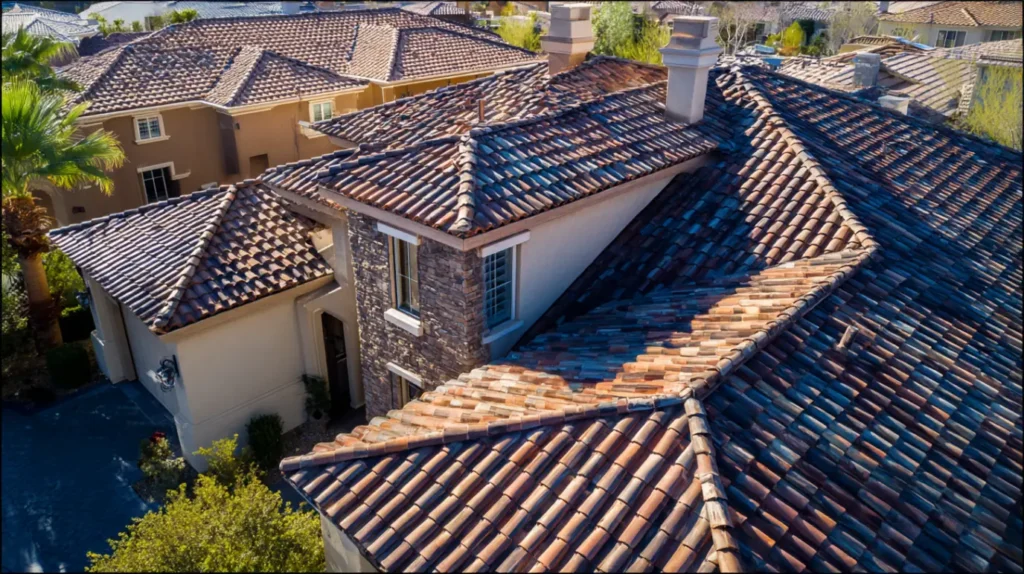
Spanish Tile Profiles for San Diego Homes
Spanish tile roofing is one of the most important style categories in San Diego. However, “Spanish tile” can refer to several different profiles.
S-Tile
S-tile is one of the most common Spanish-style tile profiles. It has an S-shaped curve that creates shadow, texture, and a classic Southern California roof appearance. Many concrete tile brands offer S-tile options, making this profile easier to source than some specialty clay tiles.
S-tile works well on Mediterranean, Spanish Revival, and many stucco homes. It is also practical for neighborhoods where HOA rules require a traditional tile roof appearance.
Mission Tile
Mission tile typically uses separate barrel-shaped pieces that create a deep, rounded profile. This style is often associated with historic Spanish architecture and high-end clay roofing.
Mission tile can create a more authentic and dimensional look than standard S-tile, but it may cost more and require more careful installation. It is often chosen when architectural accuracy matters.
Barrel Tile
Barrel tile has a rounded shape that creates strong shadow lines and a traditional clay roof appearance. It can be made from clay or concrete, depending on the brand and product line.
Barrel profiles are especially popular for homes that need a premium Spanish or Mediterranean look. They can be visually impressive, but homeowners should confirm weight, fastening requirements, and replacement availability.
Flat Tile
Flat tile is often selected for modern, transitional, and low-profile designs. Some flat tile profiles mimic slate or wood shake, while others create a clean contemporary roofline.
Flat tile can work well for newer San Diego homes, but it may not satisfy HOA or neighborhood design rules in communities that require a more traditional Spanish profile.
HOA Approval and Neighborhood Design Rules
Many San Diego communities have HOA requirements for roof color, material, and profile. Some neighborhoods require clay or concrete tile, while others specify approved colors, earth tones, or Spanish-style profiles.
Before choosing a roof tile brand, homeowners should confirm whether the HOA requires a specific profile or color family. A tile that looks attractive in a showroom may not be approved for the neighborhood. Some HOAs may also require physical samples, manufacturer color sheets, or a formal application before work begins.
Tile Roofing San Diego often recommends comparing roof tile options early when HOA approval is involved. This helps avoid delays, rejected color selections, or expensive changes after materials have already been ordered.
Color Matching for Existing Tile Roofs
Color matching is one of the most difficult parts of tile roof repair, restoration, and partial replacement. Even if the same brand and color still exist, the new tile may not match perfectly because the existing roof has been exposed to sun, salt air, moisture, and weathering for years.
Concrete tile can fade differently than clay tile. Clay tile may hold color well, but older batches can still vary in texture, firing tone, and surface finish. Discontinued profiles create an additional challenge because the new tile must match not only the color but also the shape, thickness, lock, and exposure.
For homeowners with older tile roofing San Diego homes, brand selection should include a realistic discussion about blending. Sometimes the best solution is to pull matching tiles from a less visible roof slope, use salvaged tile, or replace a larger section so the finished roof looks intentional rather than patched.

Warranty Differences Between Tile Brands
Roof tile warranties can sound similar at first, but homeowners should look closely at what is actually covered. A tile product warranty is not the same as a full roof system warranty.
Tile manufacturers may cover manufacturing defects in the tile itself. However, leaks are often related to underlayment, flashing, valleys, penetrations, fasteners, and installation details. A roof tile can remain intact while the waterproofing layer beneath it ages or fails.
This is why brand choice should never be separated from installation quality and inspection. The Tile Roofing Industry Alliance provides installation resources for concrete and clay tile systems, including guidance that helps roofing professionals evaluate proper roof tile installation practices.
When comparing brands, homeowners should ask:
- What does the tile warranty cover?
- Is the warranty transferable?
- Are color changes or fading covered?
- Are accessory pieces included?
- Does the warranty require approved installation methods?
- What happens if the tile profile is discontinued?
- Is labor included, or only the material?
The best tile roof decision includes both a strong product and a properly built roof system.
Cool Roof Considerations for San Diego Tile Roofs
California homeowners may also need to consider cool roof performance, especially during reroofing or replacement projects. Cool roof materials are designed to reflect more sunlight and release absorbed heat more effectively than darker, less reflective materials. The Cool Roof Rating Council explains that cool roofs reflect and emit the sun’s heat instead of transferring as much heat into the building below.
This does not mean every roof must be white or light gray. Many tile brands offer California-friendly colors that balance appearance with solar reflectance requirements. However, the approved options can vary by product, color, slope, and project type.
In San Diego, this becomes especially important for inland homes exposed to long summer heat. A roof tile color that looks beautiful may not always be the best thermal choice. Homeowners should compare tile appearance, solar reflectance data, and code-related requirements before finalizing a product.
Weight and Structural Considerations
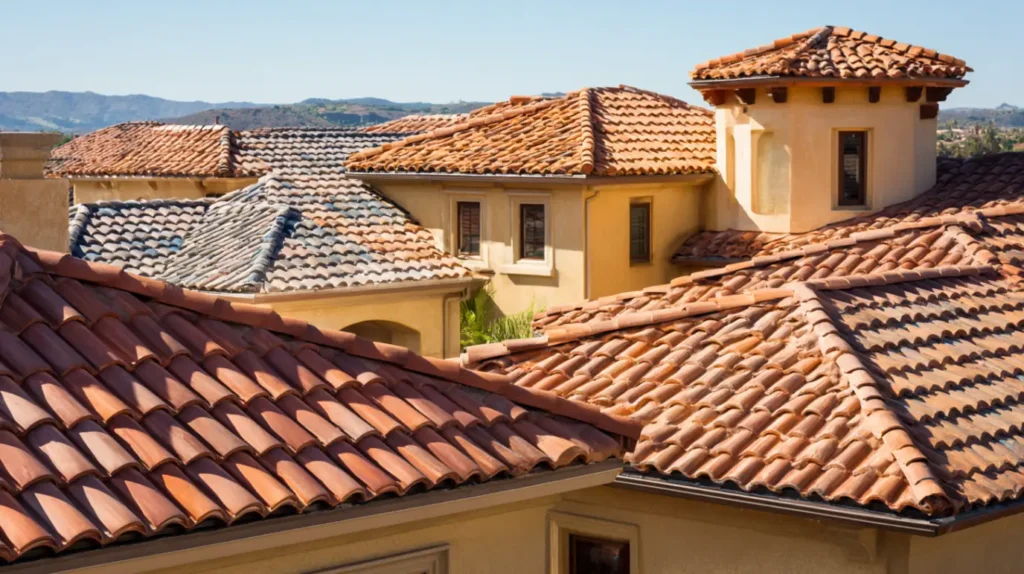
Clay and concrete tile are heavier than many other roofing materials. Before selecting a tile brand, homeowners should confirm whether the roof structure can support the chosen product.
This is especially important when replacing a lighter roofing system with tile, upgrading from lightweight tile to standard-weight tile, or choosing premium clay products. Even when the home already has tile, the new product may not weigh exactly the same as the old one.
A professional tile roof inspection can identify structural concerns, roof deck issues, sagging, cracked framing, soft areas, or signs that the existing roof system needs reinforcement or repair before replacement.
Availability and Lead Times
Availability matters more than many homeowners expect. A tile that looks perfect online may not be stocked locally, may have a long lead time, or may be available only in certain regions.
For San Diego homeowners, regional distribution can affect:
- How quickly repairs can be completed
- Whether matching tile is available
- Whether accessory pieces can be sourced
- How much freight adds to the total cost
- Whether the same tile will be available for future repairs
Premium clay brands and custom profiles may require longer planning. Concrete tile is often easier to source locally, but color and profile availability still need to be confirmed before final selection.
How to Choose the Right Roof Tile Brand
The best roof tile brand should be chosen through a practical decision process, not just by appearance.
Match the Home’s Architecture
Spanish, Mediterranean, mission, ranch, modern, and coastal homes all need different tile profiles. A flat concrete tile may look clean on a modern home but out of place on a historic Spanish-style property. A deep barrel clay tile may look beautiful but may not fit a newer HOA community with stricter uniform design rules.
Confirm the Existing Roof Condition
If the roof already has cracked tiles, slipped tiles, soft decking, underlayment failure, or leak history, the first step is not choosing a brand. The first step is understanding what the roof needs.
A tile roof inspection san diego homeowners can rely on should evaluate the visible tile, underlayment clues, flashing, valleys, roof penetrations, drainage patterns, and areas where broken tiles may have allowed water intrusion.
Compare Long-Term Repair Options
A premium tile roof should be maintainable. Before choosing a rare color or specialty profile, homeowners should consider whether replacement tiles will be available later. This is especially important in coastal or hillside areas where wind, debris, foot traffic, and maintenance work can break tiles over time.
Review HOA Requirements Early
If the home is in an HOA community, the tile brand, color, and profile should be reviewed before purchase. Homeowners may need samples, product sheets, color names, manufacturer details, and photos of similar completed roofs.
Think Beyond the Tile
The tile is the visible surface, but the full roof system includes underlayment, battens, flashing, fasteners, vents, valleys, and edge details. A premium tile will not protect the home if the system beneath it is aging or poorly installed.
When a Tile Roof Inspection Should Come Before Brand Selection
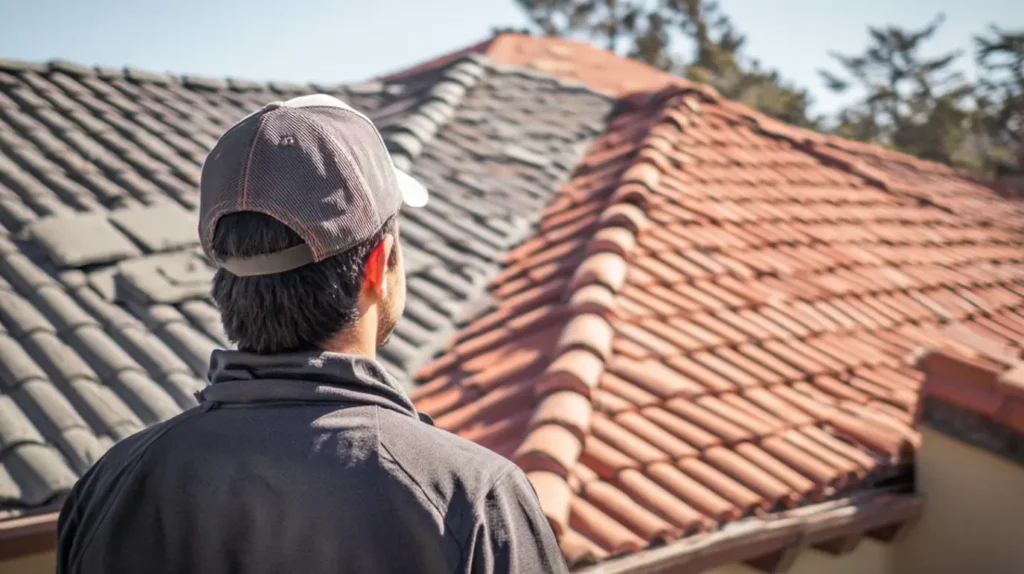
A tile roof inspection san diego ca homeowners schedule before choosing materials can prevent costly mistakes. Many tile roofs do not fail because the tile itself is defective. They fail because the underlayment has aged, flashing details are weak, tiles are cracked, or water has been moving beneath the surface unnoticed.
An inspection is especially important before:
- Replacing an older tile roof
- Matching discontinued tile
- Restoring a clay tile roof
- Buying premium Spanish tile
- Preparing HOA documentation
- Repairing recurring leaks
- Upgrading from concrete to clay tile
- Choosing a tile that may weigh more than the existing roof
For homeowners comparing tile roofing contractors San Diego options, inspection quality should be part of the decision. The contractor should understand tile profiles, brand differences, underlayment systems, flashing details, and the realities of color matching in Southern California.
Conclusion
The right roof tile brand depends on the home’s architecture, roof structure, existing tile condition, HOA requirements, color goals, budget, warranty expectations, and long-term repair needs. Eagle, Westlake Royal, MCA, Ludowici, and specialty clay brands can all be strong choices when matched to the right project. Before making a final decision, schedule a professional Tile Roof Inspection to confirm what your roof needs, which tile options are realistic, and how to protect the home with a system that performs as well as it looks.
To find out the average cost of a new roof in San Diego, CA, click here.
FAQ
What is the best roof tile brand for San Diego homes?
The best roof tile brand depends on the home’s style, existing roof structure, HOA rules, and whether the project requires clay or concrete tile. Eagle and Westlake Royal are often practical options for concrete tile because they offer broad profile and color selections. MCA and Ludowici may be better for premium clay tile, historic homes, and Spanish-style properties that need a more authentic appearance. The right choice should be based on inspection findings, tile availability, warranty terms, and whether replacement pieces can be sourced in the future.
Is clay tile better than concrete tile?
Clay tile is often preferred for premium Spanish, mission, and historic-style roofs because it offers rich color, traditional character, and strong long-term visual appeal. Concrete tile is usually more versatile, widely available, and budget-flexible. It can imitate several styles, including clay, slate, and shake. Clay may be better for architectural authenticity, while concrete may be better for practical replacement, color range, and regional availability. The better option depends on the roof structure, design goals, and long-term maintenance needs.
Should I get a tile roof inspection before choosing a new roof tile brand?
Yes. A tile roof inspection helps determine whether the existing roof has cracked tiles, aging underlayment, flashing problems, soft decking, drainage issues, or structural limitations. These findings affect which tile brand, profile, and weight make sense for the home. An inspection is especially important for older San Diego tile roofs, HOA-controlled homes, color matching projects, and premium clay or Spanish tile upgrades.