

Clay tile roofs are one of the most recognizable roofing systems in San Diego, especially on Spanish Colonial, Mediterranean, Mission-style, and coastal homes. At Tile Roofing San Diego, we often see one recurring issue: beautiful tile roofs damaged not by storms or age alone, but by unnecessary or careless foot traffic. A clay tile roof may look solid from the ground, yet individual tiles can crack, shift, chip, or loosen when walked on incorrectly.
Walking on a clay tile roof is not the same as walking on asphalt shingles, metal panels, or a flat commercial roof. Clay tiles are rigid, brittle, and shaped to shed water through carefully overlapped courses. When pressure is placed in the wrong spot, one step can break a tile, disturb flashing, crush a ridge piece, or create a small opening that later becomes a roof leak.
This matters for homeowners, property managers, solar installers, chimney contractors, painters, satellite technicians, inspectors, pest control workers, and anyone else who may need roof access. Even when the original service has nothing to do with roofing, the roof can be damaged during the visit. That is why post-service roof inspection is often a smart step after any rooftop work on a clay tile system.
Why Walking on Clay Tile Roofs Is Risky
Clay roof tiles are designed to protect the home from sun, rain, heat, and coastal weather exposure. They are not designed to be used as a walking surface. Their strength comes from the way they are installed as a complete roofing system, not from each tile acting like a structural platform.
The most common problem is broken tiles from foot traffic. A tile may crack cleanly, chip at the edge, fracture underneath, or split near the fastener hole. Some cracks are visible immediately. Others remain hidden until rainwater reaches the underlayment below.
Foot traffic can also push tiles out of alignment. A tile that shifts even slightly may expose the overlap beneath it, interrupt proper drainage, or allow wind-driven rain to reach areas that were previously protected. On older clay tile roofs, the risk increases because tiles may already be weathered, brittle, or sitting over aging underlayment.
Contact Us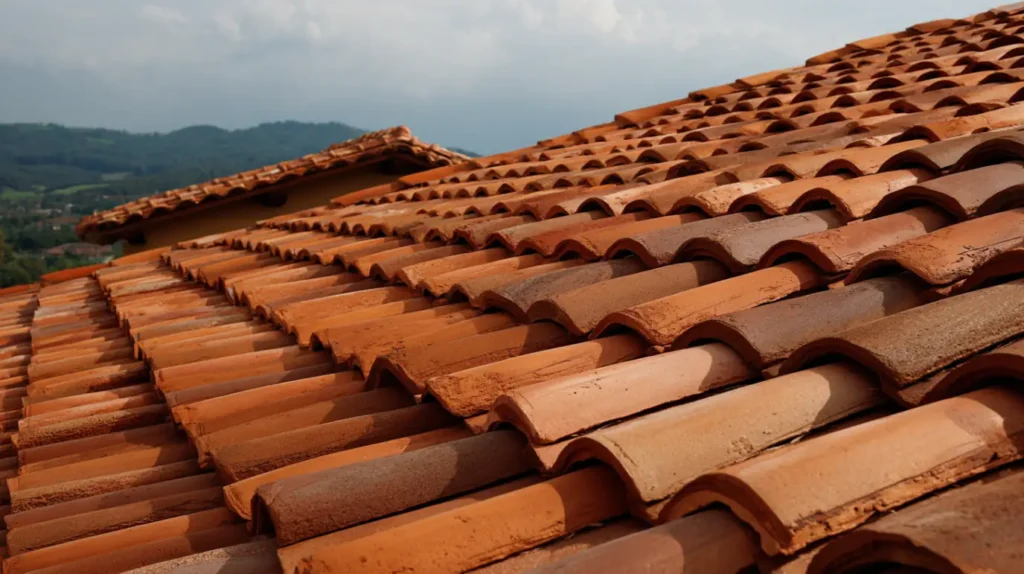
Clay Tiles Are Protective, Not Structural
The tile is only the top layer of a larger roof assembly. Beneath the tile, the waterproofing depends heavily on underlayment, flashing, battens, fasteners, valleys, vents, and roof-to-wall transitions. The clay tile sheds most of the water, but the hidden layers handle moisture that gets beneath the tile surface.
When someone walks across the roof, the tile may absorb the first impact, but the movement can also affect these hidden components. A cracked tile may seem minor, yet it can allow repeated moisture exposure in the same area. Over time, that moisture can weaken underlayment, stain ceilings, damage fascia, or contribute to wood deterioration.
That is why roof repair San Diego homeowners need after foot traffic is not always limited to tile replacement. A proper inspection may also check underlayment condition, flashing alignment, valley flow, and whether water has already reached the roof deck.
Common Situations That Lead to Foot-Traffic Damage
Many clay tile roofs are damaged during work that was not originally roofing-related. Homeowners often assume that any contractor who goes on a roof knows how to move across tile safely. Unfortunately, that is not always the case.
Solar panel installation is one of the most common examples. Solar installers may need access for layout, mounting, conduit runs, or electrical work. If they are not experienced with clay tile systems, they may step on unsupported tile sections, stack materials on fragile areas, or leave cracked tiles behind after the work is complete.
Chimney repair and inspection can also create risk. Chimney work often requires repeated roof access near flashing, mortar joints, and roof penetrations. If the tiles around the chimney are cracked or shifted, the flashing area may become vulnerable to leaks.
Other common causes include HVAC service, satellite dish work, painting, skylight work, gutter cleaning, pest control, window washing, and insurance inspections. Even a careful person can damage clay tile if they do not understand where weight should and should not be placed.
Solar Installers and Clay Tile Roofs
Solar work deserves special attention because many San Diego homes with clay tile roofs are also strong candidates for solar energy. The problem is not solar itself. The problem is roof access, tile handling, and mounting work performed without enough attention to the existing tile roof system.
A solar crew may remove tiles temporarily, cut tiles around mounts, or walk between work areas many times during the installation. If tiles are cracked during the process and not replaced correctly, the homeowner may not notice until the next rain. In some cases, the visible solar system looks finished, but the roofing details underneath and around the array need review.
Before solar work begins, we recommend a clay tile roof inspection to document existing conditions. After solar work is complete, a post-service inspection can identify cracked tiles, lifted tiles, penetrations, flashing concerns, and areas where drainage may have changed. This is especially important for older tile roofs or roofs that already had minor wear before solar installation.
Roof Inspectors, Chimney Contractors, and Other Trades
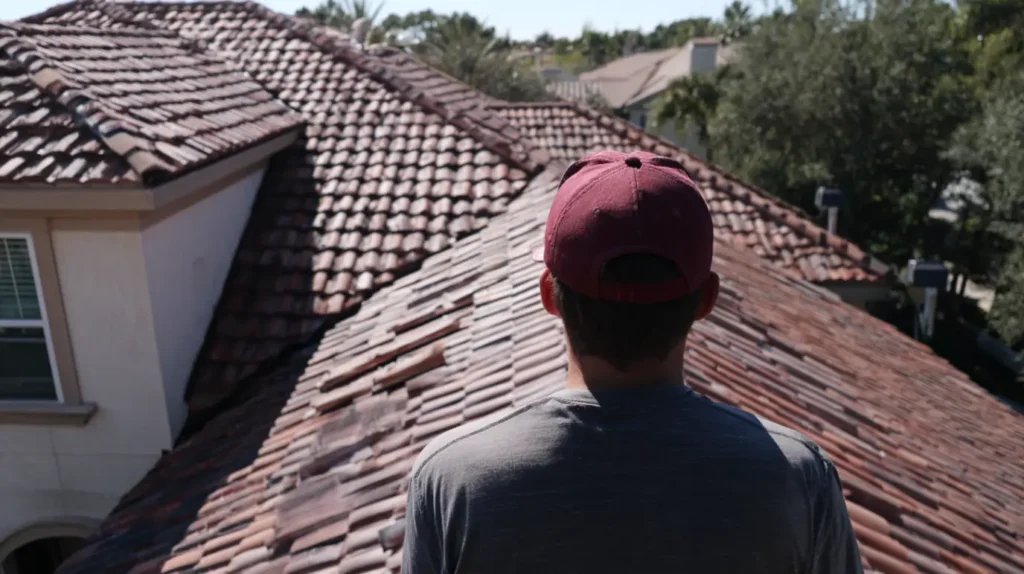
Professional roof inspectors should understand how to access clay tile roofs safely, but not every inspection requires walking across the tile field. Depending on the roof design, some evaluations can be performed from a ladder, drone, roof edge, attic, or limited controlled access points.
Chimney contractors, painters, and other trades may be focused on their own scope of work, not the roofing system beneath their feet. That is why homeowners should ask direct questions before allowing roof access. Will the contractor walk on the tiles? Do they have experience with clay tile roofs? Will they use foam pads, roof ladders, staging, or other protective methods? Will they document any tiles they move or damage?
For both residential roofing San Diego properties and commercial roofing San Diego buildings with clay tile sections, the same principle applies: roof access should be planned, limited, and documented.
Where Clay Tiles Usually Break
Clay tiles often break in predictable places. The most vulnerable areas are unsupported curved sections, tile edges, corners, overlaps, ridge caps, hip tiles, valley-adjacent tiles, and older sun-baked sections.
Barrel tiles and S-tiles can be especially vulnerable when weight is placed on the high curved portion instead of a supported area. Flat clay tiles can also crack if pressure lands between supports or near an edge. Valleys are risky because water flow is concentrated there, and any displaced tile can affect drainage.
Ridge and hip areas are not safe walking paths. These tiles are often set differently than field tiles and may be bonded or mortared. Stepping on them can crack the tile, loosen the ridge assembly, or create gaps that allow wind-driven rain into the roof system.
Hidden Damage After Walking on Clay Tile
Not all tile damage is obvious from the ground. A tile may crack underneath while the top surface still appears intact. A fastener may loosen. A tile may slide slightly out of position. A small chip may expose a weak point that grows over time.
Hidden damage is one reason homeowners may not connect a later leak to earlier rooftop work. A chimney repair in summer, solar installation in fall, or satellite service call in dry weather may not reveal a problem until the next rainy period. By then, it can be difficult to identify which activity caused the issue.
A post-service roof inspection helps close that gap. It gives the homeowner a clearer record of tile condition after rooftop work and allows minor repairs before moisture damage develops.

Safety Risks for Anyone Walking on a Clay Tile Roof
The risk is not only damage to the roof. Walking on clay tile can be dangerous. Clay tiles can be slippery, uneven, brittle, and unstable underfoot. Dust, morning moisture, coastal air, algae, loose debris, and roof slope can all increase slip risk.
Professional roofing work also requires proper safety planning. OSHA provides guidance for roofing operations and emphasizes the need to plan ahead, understand roof pitch, and use appropriate fall protection strategies for roofing work; homeowners can review OSHA’s roofing fall protection guidance for a better understanding of why trained access matters.
No homeowner should walk on a clay tile roof casually to check a suspected problem. A cracked tile is far less serious than a fall injury. If something looks wrong from the ground, the safer next step is to schedule roof inspection San Diego service rather than climbing onto the roof.
Best Practices Before Anyone Accesses a Clay Tile Roof
Before allowing any contractor onto a clay tile roof, ask whether roof access is truly necessary. Many tasks can start with ground-level photos, attic inspection, drone review, ladder-edge observation, or limited access from safer points.
If roof access is necessary, it should be planned. The contractor should know the roof type, tile profile, slope, access point, work zone, and safest path of movement. They should avoid dragging tools, stacking equipment on tile, stepping on ridges, or walking across unsupported tile sections.
For larger work, protective boards, foam pads, roof ladders, staging, or controlled access methods may be appropriate. The right method depends on the roof slope, tile type, service being performed, and condition of the existing roof.
How Professionals Reduce Tile Damage
Experienced tile roofing contractors San Diego homeowners rely on do not treat clay tile like a normal walking surface. They move slowly, distribute weight carefully, and understand which tile profiles are more fragile. They also know when tiles should be temporarily removed instead of walked over.
On some clay tile roofs, the safest approach is to remove selected tiles to create controlled access paths or work areas. On others, roof ladders or support boards may reduce pressure on individual tiles. The goal is not simply to avoid visible cracks. The goal is to protect the tile system, underlayment, flashing, and drainage pattern.
A professional should also inspect the work area afterward. If tiles were moved, they should be reset properly. If tiles broke, they should be replaced with compatible pieces. If a roof penetration was made, flashing and waterproofing details should be checked before the job is considered complete.

What Homeowners Should Do After Rooftop Work
After any non-roofing contractor has accessed a clay tile roof, homeowners should look for signs of possible damage. From the ground, check for cracked tiles, missing corners, slipped tiles, uneven rows, debris in valleys, disturbed ridge caps, or broken pieces near the property.
Inside the home, watch for ceiling stains, musty smells, damp attic insulation, peeling paint, or new discoloration around walls and ceilings. These symptoms may not appear immediately, especially during dry periods.
The best step is a post-service roof inspection. This is especially important after solar installation, chimney repair, skylight work, HVAC service, pest control, or any project requiring repeated roof access. Tile Roofing San Diego can inspect the affected areas, identify cracked or displaced tiles, and recommend repair before minor damage becomes a larger leak concern.
When Foot-Traffic Damage Requires Roof Repair
Not every cracked tile means the roof has major damage, but every cracked tile should be taken seriously. Clay tiles are part of the roof’s first line of defense. Once they are broken, the roof system loses some of its protection in that area.
Repair may involve replacing individual tiles, resetting slipped tiles, sealing or correcting flashing details, clearing broken fragments from valleys, or checking underlayment where damage appears concentrated. If the damage is near a chimney, skylight, vent, wall transition, or solar mount, the inspection should be more detailed because these areas are already more vulnerable to leaks.
Emergency roof repair San Diego service may be needed if broken tiles are discovered during or after rain, if active leaking appears, or if wind has displaced multiple tiles. For non-urgent situations, timely repair still matters because clay tile damage can worsen with additional foot traffic, wind, or moisture exposure.
Clay Tile Roof Maintenance and Access Planning
Roof maintenance San Diego homeowners schedule for clay tile systems should include more than cleaning debris. It should also include review of broken tiles, loose ridge pieces, valley flow, flashing details, sealant wear, and signs of prior foot traffic.
A good maintenance plan also reduces unnecessary roof access. Instead of multiple contractors stepping onto the roof at different times, homeowners can coordinate inspection, minor repair, and documentation. This is especially useful before solar work, after major exterior projects, or before listing a home for sale.
For homeowners with older clay tile roofs, regular inspections help determine whether the tiles remain serviceable and whether the underlayment is approaching the end of its useful life. The visible tile may last a long time, but the hidden waterproofing layers still age.

Best Practices for Homeowners
Homeowners should avoid walking on clay tile roofs. Even when a tile roof looks dry, stable, and low-slope, the risk of breakage and personal injury remains high. A quick look can become a costly repair if several tiles crack underfoot.
Before hiring anyone who needs roof access, ask about their tile roof experience. Request photos before and after the work. Clarify who is responsible if tiles are broken. Ask whether they will avoid walking on fragile areas and whether they use protective access methods.
After the work, do not rely only on a visual check from the driveway. Clay tile damage can be subtle. A focused inspection by a roofing professional is a better safeguard, especially when the work involved solar panels, chimney repairs, roof penetrations, or repeated movement across the roof.
Conclusion
Walking on clay tile roofs should always be treated as a risk, not a routine shortcut. Clay tile systems are durable against weather, but they can be vulnerable to concentrated foot pressure, careless access, and contractors who are not familiar with tile roofing. Broken tiles from foot traffic can lead to leaks, underlayment exposure, flashing problems, and costly repairs if they are ignored.
If your clay tile roof was recently accessed by solar installers, chimney contractors, inspectors, painters, HVAC technicians, or another trade, schedule a professional tile roof inspection. If cracked or displaced tiles are found, timely tile roof repair can help protect your home before the next rain exposes the damage.
Learn how to choose the best Spanish roof tiles for your home—click here to find out more.
FAQ
Can you walk on a clay tile roof without breaking tiles?
It is possible for trained professionals to access some clay tile roofs without breaking tiles, but it requires the right technique, safety equipment, and knowledge of the tile profile. Homeowners should not walk on clay tile roofs themselves. Clay tiles can crack under concentrated pressure, especially near edges, curves, overlaps, ridges, hips, and unsupported sections.
Should I inspect my roof after solar installation on clay tile?
Yes. A post-service roof inspection is highly recommended after solar work on a clay tile roof. Solar installation can involve repeated foot traffic, tile removal, mounting work, conduit placement, and flashing details. An inspection can identify cracked tiles, displaced tiles, damaged underlayment areas, or mount-related concerns before they lead to leaks.
What should I do if someone broke tiles while working on my roof?
Document the area with photos from the ground if possible, avoid climbing onto the roof, and schedule a tile roof inspection. A roofing professional can determine whether the damage is limited to individual tile replacement or whether flashing, underlayment, valleys, or roof penetrations also need repair. If water is actively entering the home, emergency roof repair may be needed.