
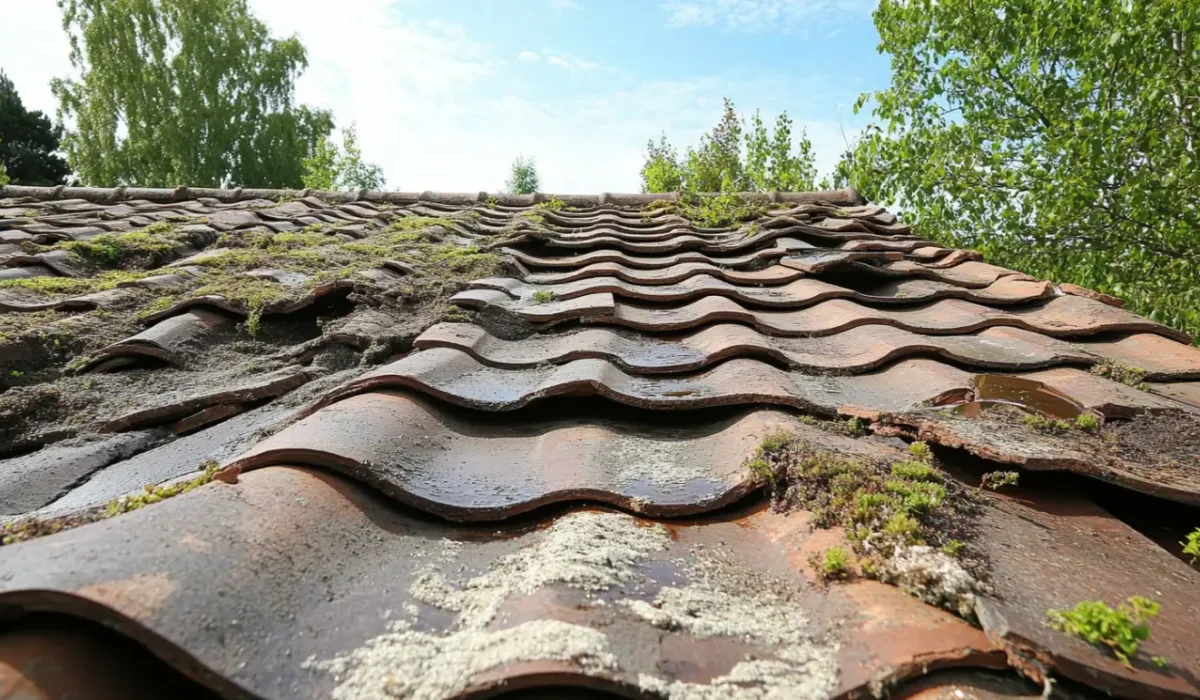
Your roof tiles are the first line of defense, but what happens when they slip or break? While they provide a strong outer shell, the real protection against water ingress comes from the waterproofing layer beneath. A single damaged tile can expose this critical barrier, threatening your entire roof structure. At Tile Roofing San Diego, we understand the hidden dangers and want to help you protect your home.
Contact Us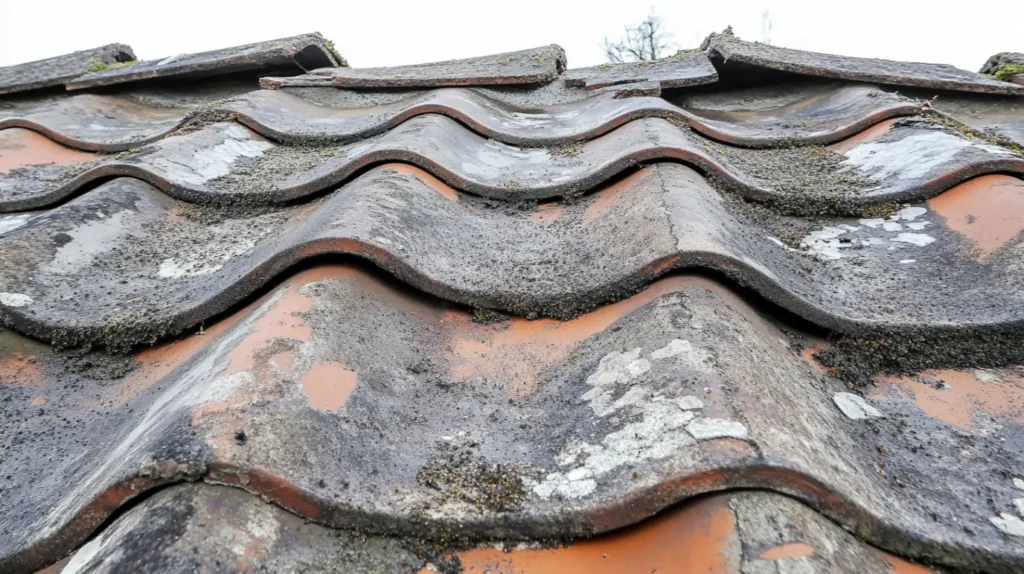
What Happens When Roof Tiles Break in San Diego
When a roof tile shifts or cracks, it creates a gap that lets rainwater reach the underlayment—the main waterproofing layer. If this layer fails, water can seep into the roof deck, insulation, and wooden framework, causing serious damage. Ignoring a slipped tile risks your home’s structural integrity. Minor issues can quickly lead to timber rot and a weakened roof. Addressing problems early helps prevent further damage and costly repairs. Here’s how this damage occurs:
How Slipped Tiles Expose Your Waterproofing Layer
A slipped tile occurs when its fastenings fail, often from wind, temperature changes, or age. This exposes the underlayment, which isn’t meant to withstand direct sun or rain. Once exposed, the membrane quickly breaks down under UV rays and moisture. Even one slipped tile can funnel water to a small area, overwhelming the underlayment and causing leaks—minor issues can lead to serious water damage. Watch for uneven tile lines or visible gaps; these indicate your roof’s main defense is compromised. Fixing a slipped tile promptly protects your waterproof layer and prevents bigger problems.
The Impact of Broken Tiles
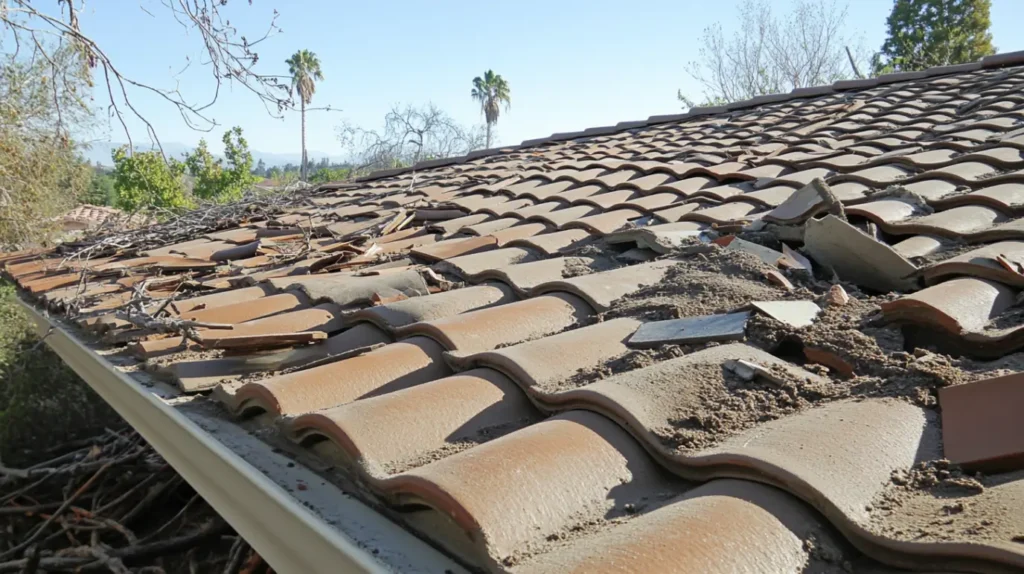
A broken tile can compromise a roof’s ability to protect your home. Gaps from missing or damaged tiles allow water, wind, and debris to penetrate, leading to issues like water damage, damp spots, and insulation problems. Prompt repairs are crucial—even minor damage can worsen over time, resulting in costly repairs and reduced roof efficiency. Homeowners should regularly inspect their roofs for signs of damage to maintain security and prevent major problems.

Understanding the Waterproofing
Many homeowners believe that roof tiles alone are what keep their homes dry. However, the underlayment beneath the tiles is the true hero of waterproofing. This membrane is the final barrier against water infiltration, protecting your home from structural issues, damp insulation, and reduced energy efficiency. Even without a visible leak, a damaged tile can signal a problem with the waterproofing. The underlayment may be degrading due to age or exposure, weakening its ability to protect your home. Understanding the different types of underlayment and why quality is so important will help you appreciate its vital role.
Types of Underlayment Used in San Diego Roofing
Various underlayment types are essential for San Diego roofing systems. Asphalt-saturated felt is popular for its affordability and basic water resistance, providing a reliable barrier against leaks. Synthetic underlayment offers greater durability, tear resistance, and longevity, making it a top choice among roofers. Peel-and-stick membranes provide strong adhesion and are ideal for protecting vulnerable areas like valleys and eaves from water intrusion. Choosing the right underlayment is key to maximizing energy efficiency and preserving roof integrity in Southern California’s changing weather.
Why Quality Matters
Quality roofing membranes are essential for maintaining tile roof integrity. Owens Corning and GAF stand out for their strong, watertight barriers that prevent water infiltration and damage. Regular inspections help spot issues like cracked or missing tiles early, reducing the risk of costly water damage. These membranes are built to withstand California’s harsh weather, including high winds and heavy rain. Their durability protects against leaks and other problems, saving homeowners money on repairs and improving energy efficiency for lasting peace of mind.
Key Causes of Slipped or Broken Tiles
In California, several factors contribute to tile damage. Long-term weather exposure is one of the most common causes, as the sun, wind, and rain gradually weaken tile materials and their fasteners. This can lead to cracked, loose, or even missing tiles over time, leaving your roof vulnerable. Poor installation practices or physical impacts can also cause significant damage. Understanding these local challenges is the first step toward effective prevention and maintenance. Next, we will cover the specific climate challenges and installation practices that affect your roof’s health.
Local Climate Challenges and Roofing Wear
San Diego’s climate significantly affects roofing systems. Intense sun exposure causes tiles to age, crack, and become brittle, while strong winds can displace them, increasing the risk of water leaks. Occasional heavy rains make roofs even more vulnerable if tiles are damaged or missing. Regular professional inspections help catch minor issues early, preventing costly repairs. By understanding these weather challenges, property owners can take proactive steps to keep their roofs durable and structurally sound.
Trust the Experts
In summary, slipped or broken roof tiles can significantly compromise the waterproofing layer beneath your roof. In San Diego’s unique climate, these issues can escalate quickly if not addressed promptly. Ensuring that your tile roofing is properly installed and maintained is crucial to protecting your home from potential leaks and moisture damage. At Tile Roofing San Diego, we pride ourselves on our expertise as an Owens Corning Preferred Contractor and a GAF Master Elite Contractor. Trust us to provide the best solutions for your roofing needs. For a free consultation, reach out to our team today.
Read our blog: Why Pressure Washing Can Shorten The Life Of A Tile Roof In San Diego
Frequently Asked Questions
How urgent is it to repair tile roof issues to protect waterproofing?
It is extremely urgent. The waterproofing membrane is vulnerable once exposed. Prompt repairs by professional roofers are essential to prevent further damage to this critical layer, saving you from much more costly repairs in the future.
What are the early signs that my tile roof’s waterproofing is compromised?
Look for damp patches or water stains on your ceilings. During a visual inspection from the ground, a cracked tile is a clear warning. Other signs can include wet insulation in the attic or a musty smell after it rains.