

For San Diego homeowners in wildfire-prone neighborhoods, Zone Zero compliance is not limited to landscaping. At Tile Roofing San Diego, we view the first five feet around a structure and the roof edge above it as one connected ember-exposure area. A clay or concrete tile roof can provide strong fire resistance, but accumulated leaves, open eaves, damaged tiles, clogged gutters, exposed underlayment, combustible fencing, and branches touching the roof can still create ignition pathways.
What Zone Zero Means in San Diego
Zone Zero, also called the ember-resistant zone, covers the area from the exterior wall outward five feet, or to the property line when it is closer. It includes areas around attached decks, balconies, stairs, eaves, roof edges, and nearby accessory structures. The goal is to remove or control materials that can catch wind-driven embers and transfer fire to the building.
The City of San Diego’s Zone 0 Guidelines for Existing Structures apply to structures in designated Very High Fire Hazard Severity Zones. New structures applying for permits on or after February 28, 2026, are subject to Zone Zero requirements. Existing structures enter the compliance framework beginning February 28, 2027.
The City’s current plan phases implementation through February 28, 2029: education in 2026, debris and combustible-material maintenance beginning in 2027, broader vegetation corrections in 2028, and an effort toward full compliance in 2029. Property-specific conditions and Fire Code Official decisions may affect the required schedule.
Homeowners should first confirm whether the property lies inside the City of San Diego and within a Very High Fire Hazard Severity Zone. Properties in unincorporated San Diego County or another municipality may be governed by a different fire agency, inspection process, or compliance timeline.
Contact Us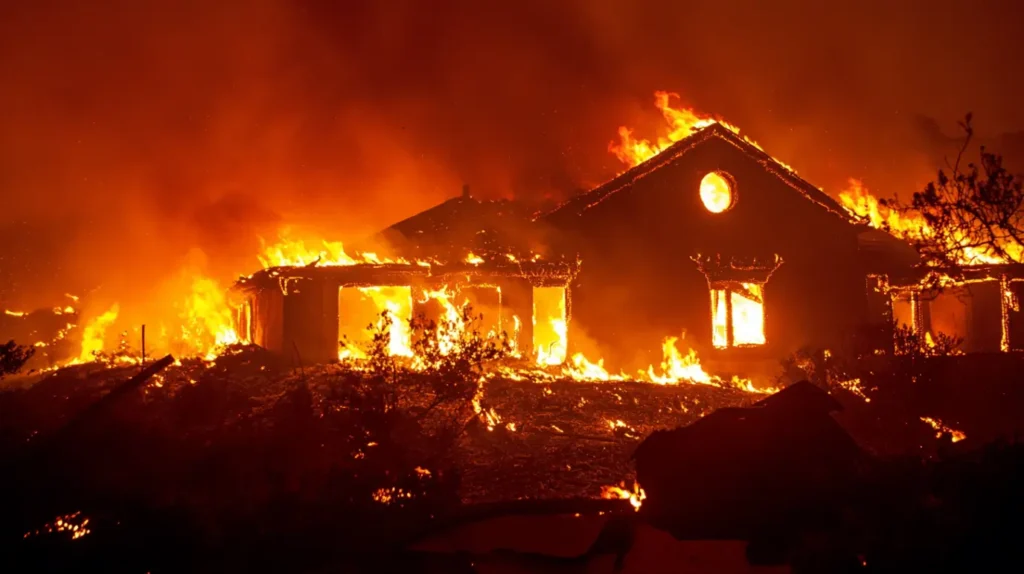
Why a Tile Roof Still Needs Wildfire-Focused Maintenance
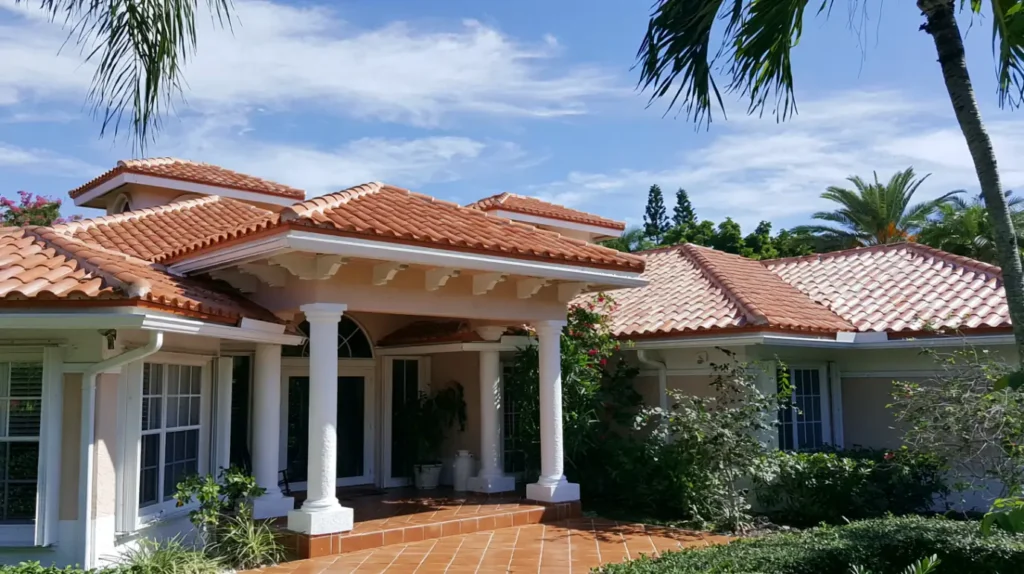
Clay and concrete roof tiles do not behave like wood shakes, but the visible tile is only one part of the roof assembly. Beneath it may be underlayment, battens, wood sheathing, flashings, fasteners, and ventilation openings. At the perimeter are fascia, eaves, bird stops, soffits, gutters, and roof-to-wall intersections. These components determine whether embers remain outside or find a protected place to smolder.
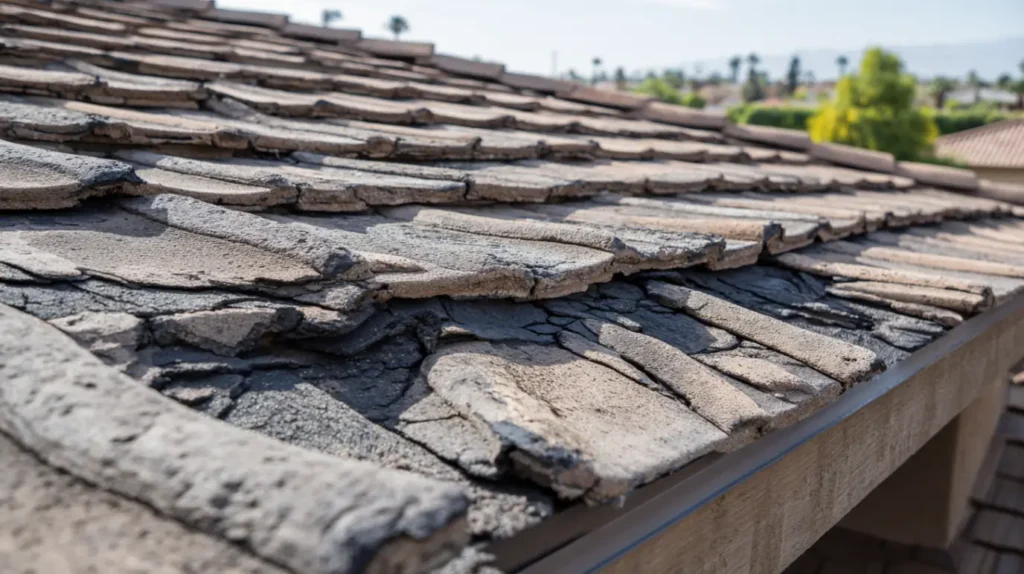
A tile roof becomes more vulnerable when tiles are cracked, slipped, missing, improperly cut, or lifted by failed fasteners. Gaps at eaves and ridges can permit embers to enter beneath the tile field. Leaves and needles trapped in valleys or gutters can ignite against metal flashing, wood fascia, roof sheathing, or deteriorated underlayment.
A Class A-rated roof assembly also depends on the complete tested assembly, not merely the fact that clay or concrete tiles are present. The roof covering, underlayment, deck, flashings, penetrations, edges, and installation details must work together.
Where Embers and Debris Collect on Tile Roofs
Tile profiles create channels and sheltered pockets that can retain lightweight debris. We pay particular attention to:
- Roof valleys where leaves collect behind overlapping tiles
- Gutters, downspout inlets, and gutter corners
- Ridge, hip, and rake terminations
- Roof-to-wall intersections and sidewall flashing
- Chimney crickets, saddles, and counterflashing
- Spaces beneath the first course of tile at the eaves
- Areas around skylights, plumbing vents, and attic vents
- Spaces beneath and around solar panel arrays
- Low-slope transitions and dead valleys
- Branches overhanging or contacting the roof
Debris removal must be careful and roof-specific. Aggressive sweeping, pressure washing, or untrained foot traffic can crack tiles, dislodge flashings, and force water beneath the roof covering.

Zone Zero Tile Roof Maintenance Checklist
Keep Roof Surfaces, Valleys, and Gutters Clear
Remove leaves, pine needles, seed pods, palm debris, nesting material, and windblown trash from the roof and drainage system. Cleaning should include concealed valley channels and the space behind gutter screens, not only visible roof surfaces.
Downspouts should discharge properly without allowing debris to remain packed at the roof edge. Gutter seams, end caps, hangers, and connections to fascia should also be checked for deterioration.
Repair Broken, Slipped, or Missing Tiles
A broken tile may expose underlayment to ultraviolet light, water, animals, and embers. Replacement tiles should match the roof profile and be secured using methods appropriate for the existing system.
Surface adhesives or excessive mortar should not be used as substitutes for proper fastening, flashing, or underlayment repair. When damage extends beneath several courses, limited tile removal may be necessary to inspect the concealed assembly.
Inspect Eave Closures and Bird Stops
Openings beneath the first row of tiles are common entry points for birds, rodents, windblown debris, and embers. Damaged or missing bird stops should be replaced with compatible, durable closures that preserve drainage and ventilation.
Any retrofit must avoid sealing water inside the roof assembly. Foam applied indiscriminately beneath tiles can obstruct drainage, deteriorate in sunlight, and conceal rather than correct damaged components.
Check Flashing and Roof-to-Wall Transitions
Loose flashing, separated counterflashing, corroded valley metal, and unsealed penetrations can expose combustible materials beneath the tile. These locations should be inspected for gaps, debris dams, failed sealants, and previous patchwork.
Proper repairs should restore layered water shedding while reducing ember access. Sealant alone is rarely an adequate repair where flashing is missing, incorrectly lapped, or physically damaged.
Evaluate Attic and Eave Vents
Vents can admit embers even when the tile surface remains intact. Screens should be secure, corrosion-free, and compatible with current wildfire-hardening requirements.
The CAL FIRE home-hardening guidance recommends addressing gaps in eaves, removing combustibles below overhangs, and improving vulnerable vent and enclosure conditions. Vent changes must preserve the net free ventilation required by the building and roof design.
Inspect Solar Panel Areas
Solar arrays can trap leaves beneath modules and complicate roof access. We recommend checking panel perimeters, conduit supports, attachment flashings, and tiles disturbed during installation.
Maintenance should be coordinated with qualified roofing and solar professionals so electrical equipment is not damaged and roof warranties are not compromised. Broken tiles should not remain concealed beneath panels simply because they cannot be seen from the ground.
Manage Trees and Landscaping Near the Tile Roof
Zone Zero maintenance must connect ground-level defensible space with roof-level housekeeping. Branches should not touch exterior walls, eaves, vents, chimneys, or tile surfaces. Dead limbs and hanging palm fronds should be removed, and leaf litter beneath nearby trees should not be allowed to migrate into gutters and valleys.
Combustible mulch, firewood, dry vegetation, storage, and debris should not remain against the structure. Hardscape such as gravel, pavers, concrete, or other approved noncombustible materials can reduce fuel continuity.
Plant allowances may depend on the building’s construction features, plant size, spacing, maintenance, and current City guidance. Existing trees may require pruning, debris control, or additional mitigation when their condition or location creates an unreasonable fire risk.
Do Not Ignore Fences, Decks, and Attached Features
A wood fence attached directly to a house can act as a fire path into the eave or roof edge. Combustible gates, trellises, planter boxes, furniture, cushions, doormats, and under-deck storage can create the same problem.
For existing properties, the City’s guidance calls for phased correction of these conditions and may require a noncombustible transition where fencing connects to the structure. Parallel combustible fencing can also create a continuous fuel pathway, especially where debris accumulates between the fence and exterior wall.
Attached decks generally are not treated as automatic replacement projects, but combustible items on or beneath them remain a concern. The area under low decks should be kept free of leaves and storage, with screening or other measures installed where required. Roof maintenance should include the deck-to-wall flashing and the roof edge above the attachment.
A Practical HOA and Property Manager Compliance Plan
HOAs and property managers should avoid treating Zone Zero as a one-time landscaping notice. A workable program should identify each building’s fire-hazard designation, roof type, common-area responsibility, exclusive-use area, attached fencing, decks, trees, gutters, solar systems, and maintenance access.
We recommend creating a property map with roof sections and five-foot perimeter zones, then assigning responsibility for each item. Common-area trees may affect privately maintained roofs; homeowner planters may sit against association-maintained walls; and shared gutters may cross multiple units.
Written standards should explain who removes debris, who authorizes roof access, which materials are acceptable, how homeowners report roof defects, and how emergency corrections are approved. Approved-vendor requirements should include tile-roof experience because general maintenance crews can damage tiles through improper walking or equipment placement.
Annual budgets should separate routine cleaning from capital work. Routine items include gutter service, roof debris removal, pruning, and documentation. Capital items may include noncombustible fence transitions, vent retrofits, deteriorated eave repairs, deck screening, flashing replacement, or localized tile lift-and-relay work.
Recommended Tile Roof Inspection Schedule
A San Diego tile roof in or near a wildfire hazard zone should be inspected at least twice each year: before the peak dry and wind season, and after the season’s strongest winds or rain.
Additional inspections are appropriate after:
- Tree trimming near the building
- Solar installation or removal
- Exterior painting or stucco work
- Termite tenting
- Chimney or HVAC work
- Strong wind events
- Any project requiring workers to cross the roof
Ground-level observation is not enough. Many critical conditions—including open bird stops, debris beneath tiles, cracked valley cuts, loose flashing, and hidden solar attachment damage—require close professional access. Because tile is brittle and load-sensitive, walking patterns and access routes matter.
Documentation for Compliance, Insurance, and Resale
Keep dated photographs of each roof plane, gutter line, valley, eave, fence connection, deck area, and nearby tree. Record defects by location rather than using general descriptions such as “several broken tiles.”
Save inspection reports, invoices, repair scopes, product information, pruning records, HOA approvals, and before-and-after photographs. For multi-building properties, records should identify the building number, unit, elevation, roof section, and date of service.
Documentation does not guarantee regulatory or insurance approval, but it demonstrates maintenance history and helps prevent repeated inspections. It also gives roofing contractors, managers, insurers, and fire officials a consistent record of what was corrected and what remains scheduled.

Common Zone Zero Tile Roof Mistakes
The most common mistake is clearing plants at ground level while leaving combustible debris on the roof. Other failures include:
- Assuming tile alone makes the home wildfire-proof
- Pressure washing the roof
- Filling drainage gaps with spray foam
- Coating cracked tiles instead of replacing them
- Allowing branches to rub against tiles
- Ignoring debris beneath solar panels
- Installing generic mesh that restricts ventilation
- Walking directly on unsupported tile edges
- Treating gutter cleaning as a substitute for roof inspection
- Postponing repairs until an interior leak appears
Wildfire readiness and water-shedding maintenance overlap. The same gaps that admit wind-driven rain, pests, and debris may also admit embers.
Conclusion
Zone Zero compliance for a San Diego tile-roofed property requires coordinated maintenance from the ground to the ridge. We should remove ember-catching debris, preserve gutters and valleys, repair broken tiles, close vulnerable roof-edge openings correctly, maintain vents and flashings, control nearby vegetation, and eliminate combustible pathways at fences, decks, and storage areas. A documented inspection and maintenance plan gives homeowners, HOAs, and property managers a practical route from the 2027 maintenance phase toward the City’s phased compliance goals.
Frequently Asked Questions
Does Zone Zero require San Diego homeowners to replace an existing tile roof?
No automatic tile-roof replacement requirement is created simply because a property is in Zone Zero. However, damaged tiles, exposed underlayment, open eaves, vulnerable vents, accumulated debris, or noncompliant attached features may require repair or modification.
When do Zone Zero rules affect existing San Diego homes?
The City’s current guidance states that Zone Zero applies to existing structures beginning February 28, 2027. Its phased plan emphasizes maintenance first, vegetation corrections next, and an effort toward full compliance by February 28, 2029.
How often should a tile roof be cleaned for Zone Zero maintenance?
We recommend professional inspection and debris removal at least twice per year, with additional service after strong winds, tree work, solar work, or visible debris accumulation. Properties beneath pines, palms, eucalyptus, or canyon vegetation may need more frequent cleaning.