
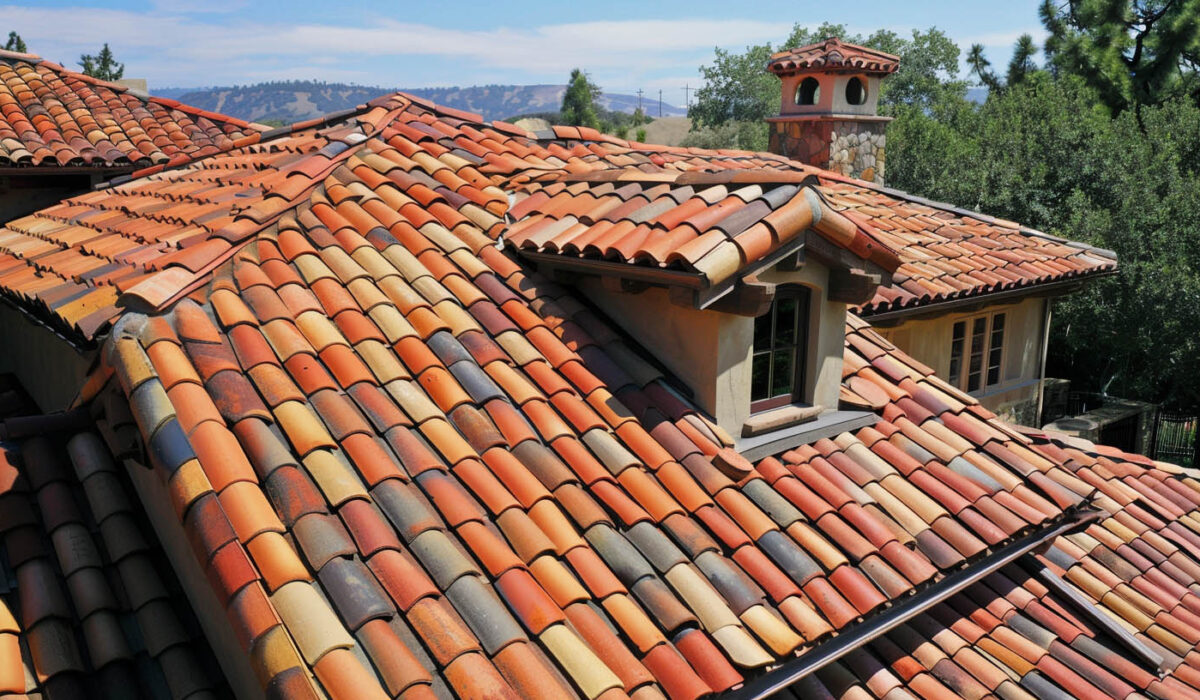
Tile roofs offer exceptional beauty and can last for decades, but their longevity depends on a secure installation. In a coastal area like San Diego, strong winds pose a significant threat. Choosing the correct fastening system is vital to ensure your concrete tile roofs deliver the wind resistance needed to protect your home. At Tile Roofing San Diego, we specialize in installation techniques that secure your roof against extreme weather, ensuring both performance and peace of mind.
Understanding High-Wind Risks in Tile Roof Installations
When wind hits your home, it travels up and over the roof’s surface, creating varying degrees of uplift pressure. This force, known as wind uplift, is strongest at the corners and edges of your roof, putting immense wind stress on your roofing tiles. In San Diego, these high winds can compromise your roof’s integrity if it’s not properly secured.
Understanding these risks, such as wind loads, is the first step toward building a resilient roof. We will now explore how coastal weather patterns amplify these effects and why following strict building codes is non-negotiable for a safe installation.
Contact UsImpact of Coastal Weather Patterns
Coastal weather patterns significantly influence tile roof performance, particularly in regions subject to severe wind events. High porosity materials, like concrete and clay roof tiles, may experience increased vulnerability under sustained winds. The powerful forces of wind can create uplift pressure at the roof edge that compromises structural integrity if fastening systems are not adequately designed. Compliance with local building codes and standards, such as those set by the International Building Code, ensures proper attachment methods are employed, safeguarding roofing materials against the extremes of coastal climates.
Local Building Codes and Certification Standards
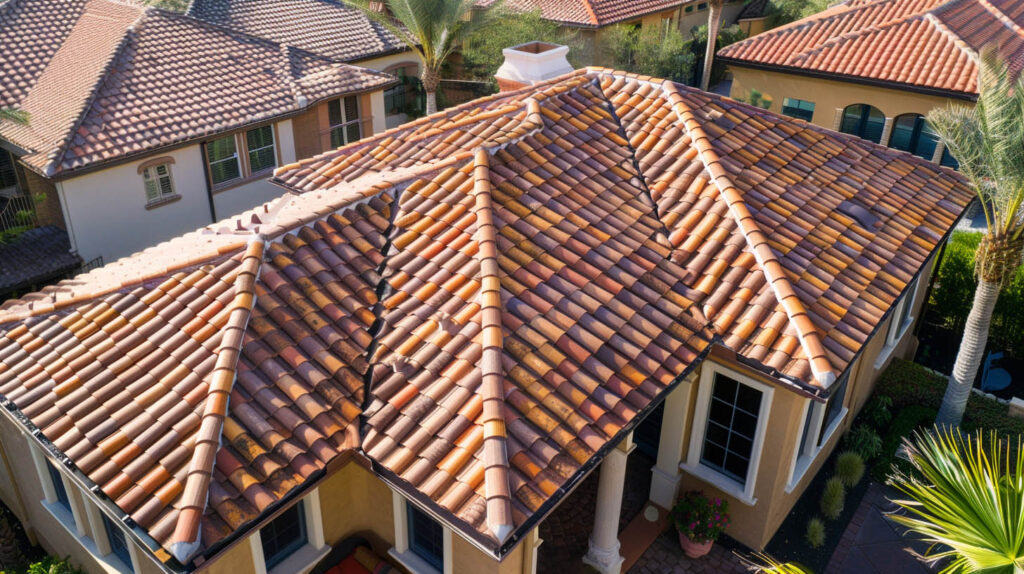
Specific guidelines for fastening tile roofs in high-wind areas, especially during extreme winds, are set by the International Building Code and local regulations. ASCE 7 outlines wind uplift requirements that roofers must follow.
As a GAF Master Elite and Owens Corning Preferred Contractor, we at Tile Roofing San Diego meet or exceeds these standards. Our certifications ensure we use advanced installation methods for superior protection and strong warranties.
Following manufacturer instructions is crucial for performance and warranty coverage. Improper installation reduces wind resistance. Our team installs every tile to exact specifications, ensuring lasting durability and protection for your investment.
Key Factors for Selecting Fastening Systems in Windy Climates
Several critical factors guide the selection of fastening methods for high-wind areas. You must consider the specific roofing material, the architectural design of your roof, and the required wind resistance for your location. Wind uplift pressure considerations are paramount, as the system must be strong enough to counteract the forces generated by strong gusts.
To make the best choice, it is important to look closer at how tile materials are compatible with different systems and what structural requirements are needed. The following sections will provide more detail on these crucial elements.
Assessing Tile Material Compatibility and Roof Design
Selecting the right tile materials, including clay tile roofing, is essential for ensuring optimal performance under high-wind conditions. Compatibility between roofing tiles—such as clay and concrete—and the roof design plays a crucial role in enhancing the system’s uplift resistance. Understanding the nuances of various tile roofing applications, along with adherence to manufacturer guidelines, allows for effective integration with architectural features. High porosity tiles may not perform well in extreme weather; hence, proper attachment and innovative fastening methods should align with local weather patterns for maximum durability.
Uplift Resistance and Structural Requirements
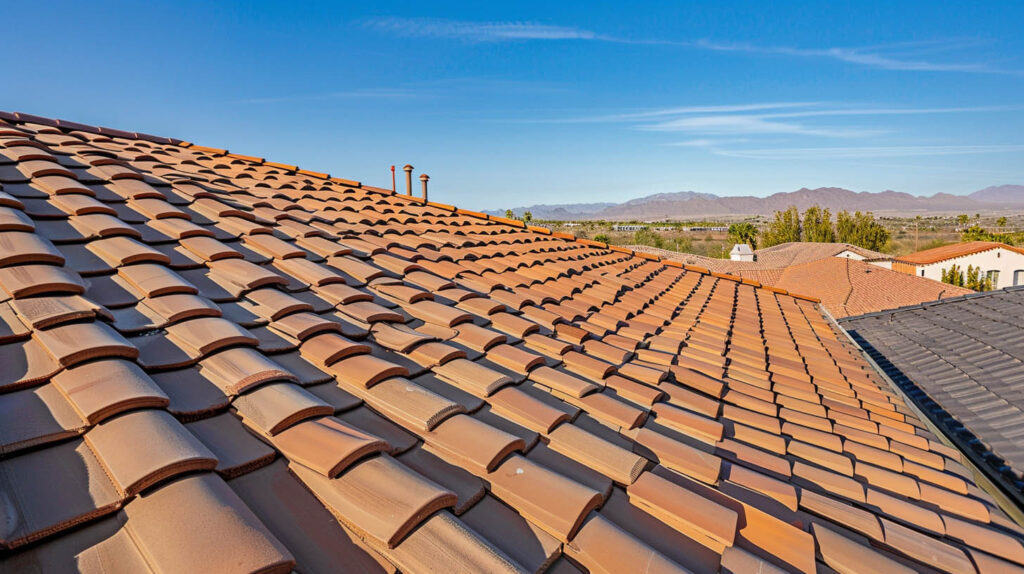
Uplift resistance plays a critical role in ensuring the longevity and performance of tile roofs in high-wind areas. Adhering to the Southern Building Code Congress International and the International Building Code is essential for meeting structural requirements. Proper attachment methods, such as mechanical uplift resistance techniques, enhance the resistance of roofing tiles to negative pressure forces during severe wind events. Their true advantage lies in evaluating manufacturer guidelines and employing robust installation techniques to further mitigate risks associated with extreme weather, ensuring compliance and safety of every roofing project.
Comparing Mechanical Fasteners vs. Adhesives
When securing tile roofs, the primary fastening systems fall into two categories: mechanical fasteners and modern adhesives. Mechanical fasteners, such as nails and screws, are the traditional choice. Polyurethane foam adhesives, on the other hand, have emerged as a high-performance alternative that offers distinct advantages for improving wind resistance.
Each method has its own set of benefits, and the best option depends on your roof’s design, material, and exposure to wind. We will now explore how two-component adhesives and mechanical fasteners perform, especially in storm-prone areas.
Advantages of Two-Component Adhesives for Storm-Prone Areas
The use of two-component adhesives offers significant benefits in storm-prone regions, particularly for enhancing the wind resistance of tile roofs. These adhesives create a robust bond, improving uplift resistance against powerful forces of wind. Ensuring proper attachment through this method aligns with installation techniques recommended by industry guidelines, providing an effective solution against extreme weather. Additionally, they maintain air permeability, which is essential for natural air ventilation, further aiding in the longevity and performance of roofing systems exposed to harsh coastal conditions.
Performance of Mechanical Fasteners
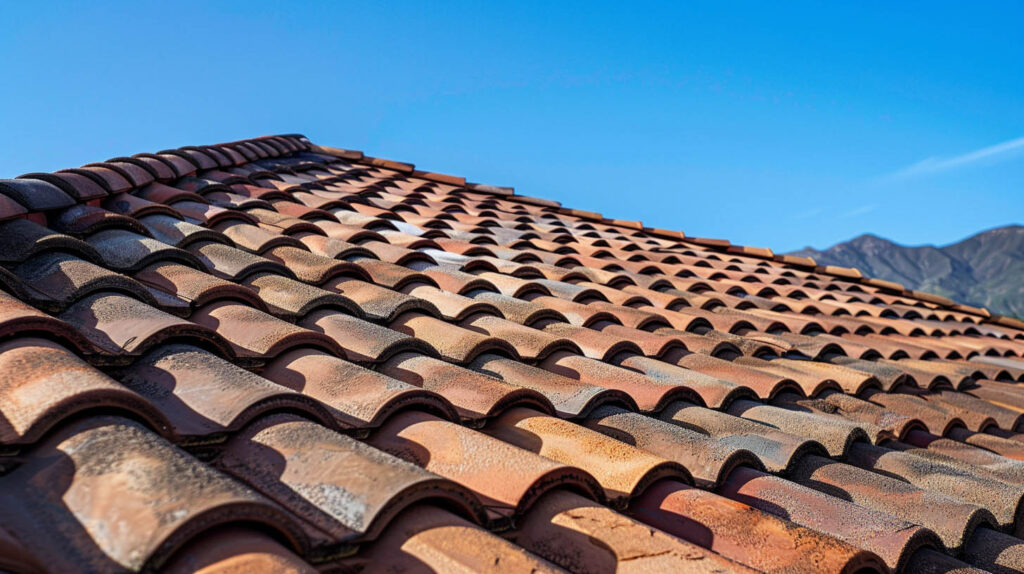
Mechanical fasteners play a crucial role in ensuring the stability of tile roofs during high-wind events. Proper attachment methods increase the uplift resistance, preventing tiles from becoming dislodged under severe wind conditions. Utilizing corrosion-resistant fasteners according to manufacturer guidelines enhances durability, which is essential in coastal environments. Various wind testing measures, including the wind tunnel method, help evaluate the performance of these fastening systems. Adhering to standards of procedures not only meets safety requirements but also ensures long-term reliability in the face of powerful forces of wind.
Call Us 619-350-1086Request a Quote
Choosing the right fastening systems for high-wind tile roofs is essential for durability and safety in San Diego’s coastal climate. The proper materials and techniques help protect your investment from strong winds. As an Owens Corning Preferred Contractor and GAF Master Elite Contractor, Tile Roofing San Diego delivers top-quality roofing solutions by combining traditional expertise with innovative methods. Ready to strengthen your roof? Request a quote for your commercial project today.
Frequently Asked Questions
What is the best roof design for high winds?
For high winds, a hip roof design is often best because its four slopes are more aerodynamic and reduce wind uplift forces, whereas steep-pitched, gable roofs can be more vulnerable. A moderate pitch also helps manage pressure on the roofing tiles. Following the correct code methodology ensures any design is optimized for wind resistance.
How to stop roof tiles lifting in wind?
To stop roof tiles from lifting in wind, you need fastening methods with high uplift resistance. This can be achieved with properly installed mechanical fasteners or, for superior protection, two-component adhesives that bond the tiles directly to the deck, preventing wind uplift.
Read our blog: How Tree Coverage and Falling Debris Affect Tile Roof Performance