

Taking care of your roof in Southern California needs a clear, seasonal tile roof care checklist. Regular maintenance is very important because the area gets intense sun, a lot of coastal moisture, and sometimes strong winds. If you live in San Diego, CA, this guide will show you what roof maintenance you should do each season. If you follow these steps, you can protect your investment, spot signs of wear early, and make sure your roofing system stays strong. Not sure what to put on your checklist? Keep reading to find out what you need for regular maintenance of your tile roof in Southern California.
Most Common Year-Round Threats to Tile Roofs
Tile roofs face several year-round threats that can compromise their integrity and lifespan. Intense sun exposure leads to UV damage, causing tiles to lose their protective qualities over time. Coastal air contributes to corrosion, while heavy rains and strong winds increase the risk of structural damage. Debris accumulation can trap moisture, further exacerbating issues like mold growth and water stains. Routine inspections are essential to identify these potential issues early, ensuring proactive maintenance and ultimately prolonging the life of your roof.
Contact UsSun Exposure and UV Damage
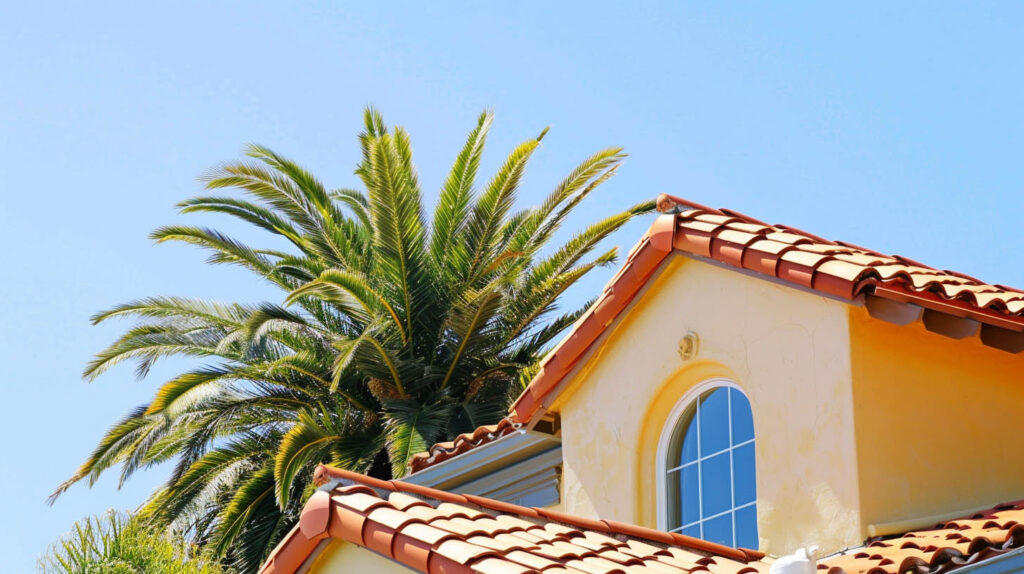
Excessive sun exposure can significantly harm tile roofs, leading to accelerated UV damage that undermines the structural integrity of roofing materials. Over time, this exposure may cause fading, brittleness, and cracking, which compromises the roof’s lifespan. While tile roofs are generally durable, proactive maintenance and regular inspections can help ensure optimal condition. Utilizing quality materials and applying protective coatings can mitigate UV effects, prolonging the life of your roof and maintaining your home’s energy efficiency against Southern California’s intense sun.
Impacts of Coastal Air, Rain, and Winds
Salty coastal air, combined with seasonal rains and strong winds, creates unique challenges for tile roofs in Southern California. These elements can contribute to premature deterioration, particularly through corrosion of roofing materials and an increased risk of water damage. Routine inspections become crucial, as the combination of moisture and wind can dislodge tiles or compromise structural integrity. Addressing any signs of wear promptly ensures the longevity of your roof, ultimately reducing the need for expensive repairs and improving your home’s energy efficiency.
Seasonal Inspection and Maintenance Checklist
A comprehensive seasonal inspection and maintenance checklist ensures your tile roof remains in optimal condition. During spring and early summer, focus on thorough cleaning, inspecting for debris, and addressing any signs of damage. As fall and winter approach, prioritize leak prevention and prepare for storm readiness by assessing drainage systems and securing loose tiles. Regular maintenance, including professional roof inspections, mitigates potential issues and prolongs the lifespan of your roof, providing peace of mind against costly repairs ahead.
Spring and Early Summer: Cleaning, Inspection, and Prep
A thorough inspection during spring and early summer is crucial for maintaining the structural integrity of your tile roof. Start by cleaning the roof’s surface to eliminate debris that can trap moisture, leading to mold growth. Inspect for any signs of wear, such as cracked or loose tiles, and address minor issues promptly to avoid costly repairs. Additionally, ensure that drainage systems are clear to handle the upcoming rainy season, reinforcing the longevity of your roof while enhancing your home’s energy efficiency.

Fall and Winter: Leak Prevention and Storm Readiness
Proactive measures during the fall and winter months are essential for maintaining the integrity of your tile roof. Begin with a thorough inspection of potential weak points, such as flashing or adjacent roofing materials, which can be susceptible to leaks. Clearing gutters ensures proper drainage systems are in place, preventing water pooling that can lead to water damage or mold growth. Additionally, securing loose tiles and checking attic ventilation will help prepare your home for heavy rains and strong winds, safeguarding the longevity of your roof.
Signs of Wear and Damage to Monitor Each Season
Monitoring your tile roof through each season is crucial for maintaining its optimal condition. Key indicators of wear include cracks, chips, and loose tiles, which can jeopardize your roof’s structural integrity if left unattended. Regular inspections can help you identify these potential issues early, ensuring that minor repairs prevent costly repairs down the line. Checking for water damage, mold growth, and clean drainage systems will also play a vital role in extending the lifespan of your roof.
Spotting Early Warning Signs—Cracks, Chips, and Loose Tiles
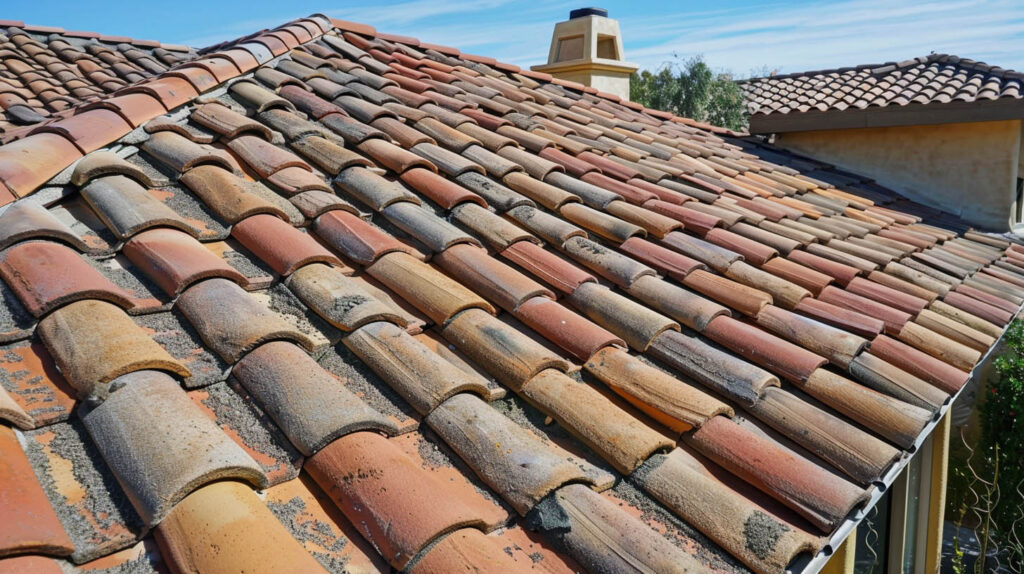
Visible cracks, chips, or loose tiles can signal underlying issues that threaten the longevity of your roof. Regular inspections allow homeowners to identify these signs early, preventing further damage and expensive repairs. Keeping an eye on the roof’s surface after storms or extreme weather is crucial. Also, pay attention to any water stains or mold growth in your attic, as these can indicate compromised structural integrity. Proactive monitoring ensures your roofing system remains in optimal condition throughout its lifespan.
When to Call a Professional vs. DIY Repairs
Identifying whether to tackle roof issues yourself or call a professional roofing contractor hinges on the severity of the damage. Minor repairs, such as fixing loose tiles or cleaning gutters, may be manageable for a DIY enthusiast. However, serious concerns like structural damage or leaks that could affect your home’s energy efficiency warrant immediate professional help. Engaging an expert not only ensures safety precautions are met but also protects the longevity of your roof by addressing potential issues before they escalate.
Preventative Measures to Prolong the Life of Your Tile Roof
Long-lasting tile roofs start with regular care and a proactive approach. You need special cleaning methods for Southern California. It is also important to check your drainage systems. To protect your roof’s lifespan, do not make common mistakes.
Keep your roof in good and optimal condition. You should schedule inspections often. Always use quality materials. Fix small issues right away so things do not get worse. Tile Roofing San Diego gives expert advice so your roof and investment stay safe all year.
Learn the best ways to clean your roof. Get useful tips from us so you can avoid costly repairs.
Cleaning Techniques and Products for SoCal Tile Roofs
Proper cleaning techniques are essential to maintaining the longevity of your tile roof. A soft-bristle brush, in conjunction with a mild detergent, effectively removes dirt and algae without damaging the roofing materials. High-pressure washing is not recommended, as it can compromise the structural integrity of the tiles. For persistent moss or mold, consider using a biodegradable cleaner specifically designed for roofs. Regular cleaning helps prevent moisture retention and further damage, ensuring your roof remains in optimal condition against Southern California’s unique challenges.

Avoiding Common Roof Care Mistakes and Costly Repairs
Regular inspections and proactive maintenance are crucial to prevent common pitfalls that can lead to expensive repairs. Homeowners should avoid neglecting small issues, such as cracks or missing tiles, as they can escalate into structural damage over time. Utilizing quality materials for repairs and adhering to a thorough roof maintenance checklist will enhance the longevity of your roof while ensuring optimal condition. Engaging a professional roofing contractor can provide valuable insights and help prevent mold growth, which promotes a healthy home environment.
Call Us 619-350-1086Get in Touch
To sum up, taking care of your tile roof is needed if you want it to last and stay in top condition, especially in the southern California climate. By using the seasonal care checklist, you can handle common issues like UV damage, salty air, and storms that come with the seasons. This helps your roof keep its good shape. Doing regular inspections and fixing any signs of wear right away can stop you from facing costly repairs later. It does not matter if you do the work yourself or you get help from a pro—being active with roof care will be good for you in the long run. For a unique plan and fair prices, talk to us at Tile Roofing San Diego today.
Frequently Asked Questions
How often should a tile roof be cleaned?
Tile roofs should ideally be cleaned at least once a year to prevent the buildup of debris, moss, or algae. However, homeowners in Southern California might need more frequent cleanings due to environmental factors like sun exposure and coastal air impacts.
Should You Seal Your Tile Roof?
Some tile roofing materials resist water on their own, but adding a seal can give more protection from moisture problems. Talk to a professional roofing contractor to see if sealing is right for your roofing materials, depending on your roof’s type and age. When done right, sealing helps prevent leaks and makes your roof last longer in San Diego’s changing weather.
Read our blog: How Salt Air Affects Tile Roofs in Coastal San Diego – And How to Protect Them