
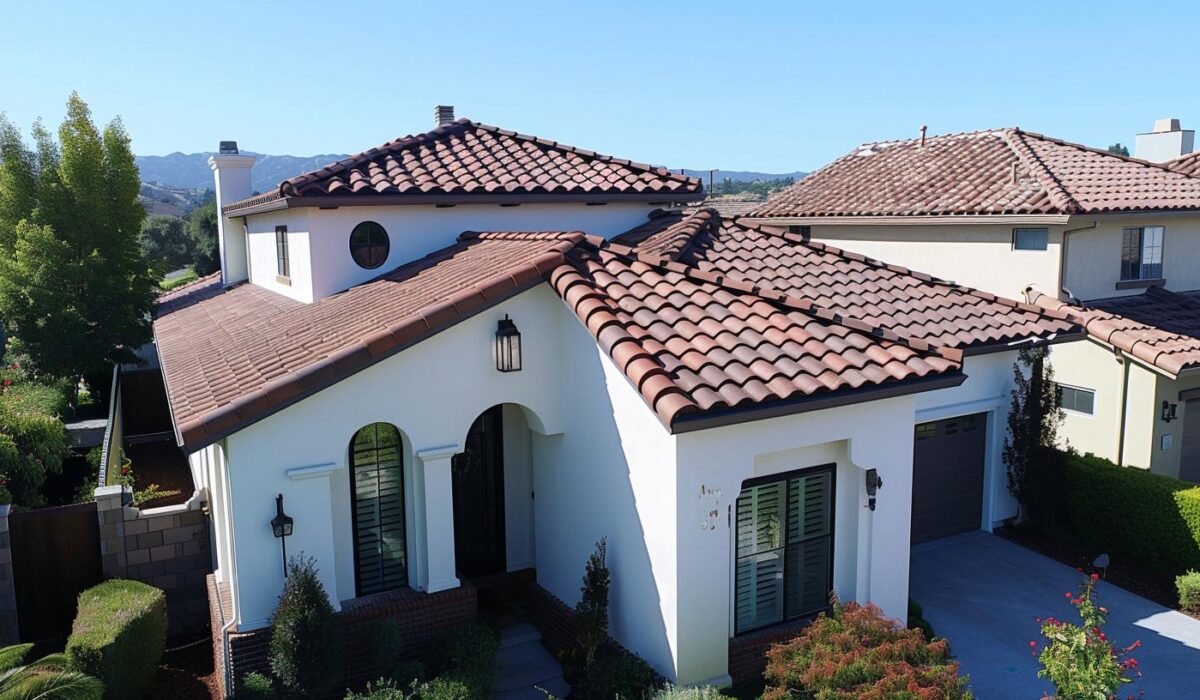
Tile roofing in San Diego is valued for its durability, architectural character, and strong performance in coastal and inland climates. At Tile Roofing San Diego, we often see homeowners and property managers looking beyond basic repairs and asking how a tile roof can be upgraded for better heat control, moisture protection, fire resistance, ventilation, and long-term roof performance.
Modern tile roofing is not only about choosing attractive clay or concrete tiles. The roof system underneath the visible tile matters just as much. Upgraded underlayment, properly detailed flashing, bird stops, ventilation improvements, and solar-ready planning can all help a tile roof perform better in San Diego’s mix of sun exposure, marine air, seasonal rain, and hillside fire-risk zones.
Why Modern Tile Roofing Upgrades Matter in San Diego
San Diego roofs face several different conditions depending on the property’s location. Coastal homes may deal with salt air, fog, and moisture that can accelerate corrosion around metal flashing and fasteners. Inland properties often experience stronger heat exposure, attic temperature buildup, and UV-related wear. Hillside and canyon-adjacent homes may also need added attention to fire-rated roofing assemblies and ember resistance.
A tile roof can last for decades, but the tile itself is only one part of the system. Many roof leaks and performance issues start below the tile surface, especially when underlayment ages, flashing loosens, vents are poorly sealed, or debris collects under tile courses. That is why modern upgrades often focus on the full roof assembly rather than just replacing broken roof tiles.
Contact Us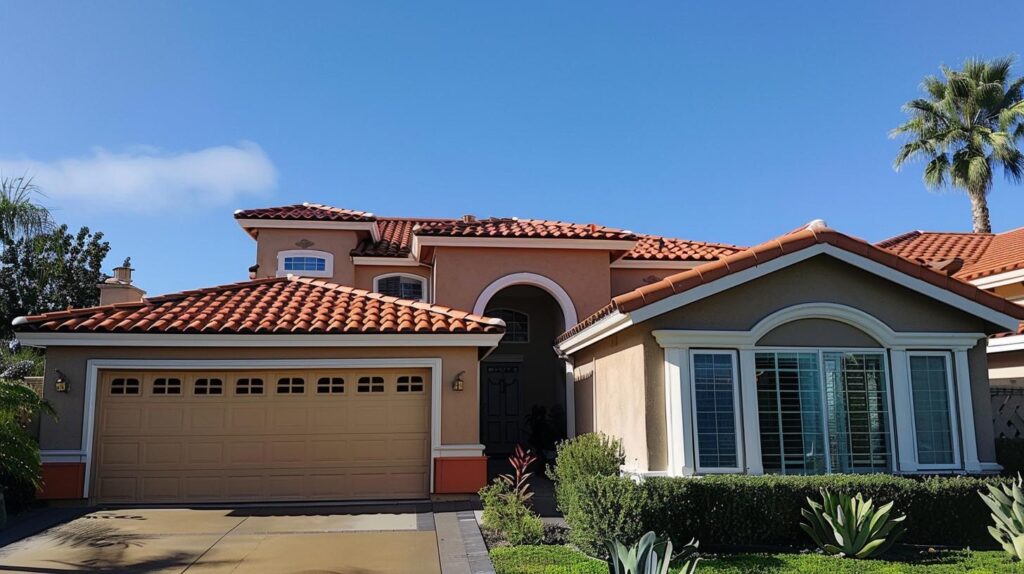
Cool Roof Tiles for San Diego Heat Control
Cool roof tiles are designed to reflect more sunlight and absorb less heat than darker, less reflective roofing materials. This can be especially valuable for San Diego homes with strong sun exposure, large roof planes, limited attic ventilation, or rooms that heat up during long afternoons.
The U.S. Department of Energy explains that a cool roof is designed to reflect more sunlight than a conventional roof, absorbing less solar energy and helping lower building temperatures.
Cool roof tiles can be especially useful when a homeowner is already planning tile roof repair, restoration, or a larger reroofing project. Rather than simply matching an older color, we may recommend evaluating whether a modern tile profile or reflective color range can improve comfort while still meeting neighborhood, HOA, or architectural requirements.
Best Applications for Cool Tile Roof Upgrades
Cool roof tiles are a strong fit for homes with south- or west-facing roof slopes, inland San Diego properties exposed to higher heat, and larger residential or commercial buildings where roof temperature can affect indoor comfort.
For homes with Spanish, Mediterranean, Mission, or coastal luxury architecture, modern cool roof tiles can still preserve the premium appearance of a clay tile roof. Many updated profiles are designed to provide traditional curb appeal while improving roof surface performance.
Upgraded Underlayment: The Hidden Layer That Protects the Roof
The underlayment beneath tile roofing is one of the most important upgrade opportunities. Tile sheds most rainwater, but the waterproofing layer below the tile provides critical secondary protection. When underlayment becomes brittle, cracked, loose, or deteriorated, leaks can appear even when the visible tile surface looks mostly intact.
San Diego tile roofs commonly benefit from upgraded underlayment during restoration or major repair work. This is especially true for older homes where the original material may be near the end of its useful life. A modern underlayment system can improve moisture resistance, help protect roof decking, and reduce the risk of hidden leaks around valleys, penetrations, and roof-to-wall transitions.
A professional tile roof inspection can help determine whether the issue is limited to isolated broken roof tiles or whether the roof needs deeper underlayment attention.
Bird Stops and Eave Protection
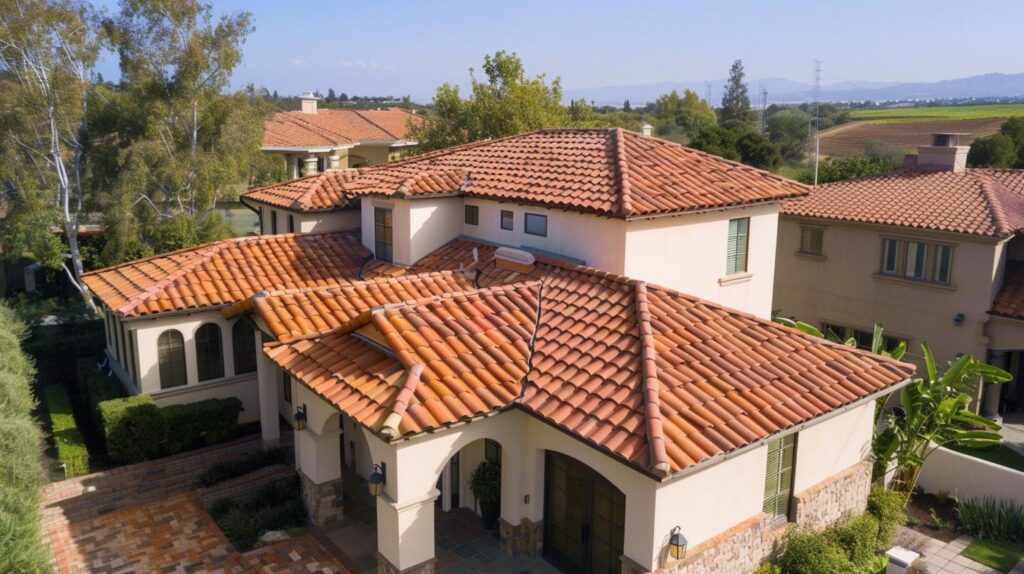
Bird stops are small but important tile roofing components installed at the open ends of tile courses, usually near the eaves. Their purpose is to close exposed openings under curved or high-profile tiles. Without proper bird stops, birds, rodents, insects, wind-driven debris, and nesting materials can enter the space beneath the tiles.
In San Diego, this upgrade is especially helpful for homes near canyons, mature trees, open land, and coastal areas where wind can move debris under tile edges. Bird stops also help create a cleaner roofline and reduce maintenance problems caused by nests, clogged drainage paths, or displaced tiles.
Poorly protected eaves can contribute to moisture buildup, pest intrusion, and premature underlayment wear. Adding or replacing bird stops during tile roof maintenance or repair is a practical way to improve the roof system without changing the overall look of the home.
Ventilation Improvements for Tile Roof Performance
Proper ventilation helps control attic heat, moisture, and air movement beneath the roof system. In San Diego, ventilation needs can vary sharply between coastal and inland areas. Coastal homes may need better airflow to reduce trapped moisture, while inland homes may need ventilation support to reduce heat buildup under the roof deck.
Tile roofing can perform better when intake and exhaust ventilation are balanced. Poor ventilation may shorten underlayment life, increase attic temperatures, contribute to condensation problems, and make upper rooms less comfortable. During roof maintenance or restoration, we look for blocked vents, insufficient intake, damaged vent flashing, and areas where roof ventilation may not match the home’s current needs.
For property owners comparing residential roofing San Diego options, ventilation should never be treated as an afterthought. It is part of the complete roof system.
Flashing Upgrades Around Vulnerable Roof Areas
Flashing protects some of the most leak-prone areas on a tile roof. These include chimneys, skylights, walls, valleys, vents, dormers, pipe penetrations, and transitions between different roof sections. When flashing is corroded, lifted, improperly sealed, or buried under debris, water can enter beneath the tile system and damage the underlayment or decking.
San Diego homes near the coast may be more vulnerable to flashing corrosion because of salt air and moisture. Inland homes may experience sealant breakdown from UV exposure and heat. Either way, modern flashing upgrades are one of the most valuable parts of tile roof repair San Diego property owners can schedule before small leaks become larger interior problems.
A strong flashing upgrade may include properly shaped metal, compatible fasteners, better counterflashing, improved waterproofing transitions, and cleaner drainage paths through valleys and roof edges.
Solar-Ready Tile Roof Preparation
More San Diego homeowners are planning for solar, but tile roofs need careful preparation before panels are installed. Walking on clay tile roof surfaces without proper training can crack tiles, loosen fasteners, or damage older underlayment. Solar installers, inspectors, satellite technicians, and other trades can unintentionally create broken roof tiles if they are not experienced with tile roofing.
Solar-ready preparation may include replacing damaged tiles, reinforcing vulnerable roof areas, evaluating underlayment condition, checking flashing, planning attachment points, and identifying roof sections where solar work may disturb tile courses. If the tile roof is already aging, it is usually smarter to address roof repair before solar installation begins.
This can help avoid the costly problem of removing solar panels later to access roof leaks, replace underlayment, or repair hidden tile damage. Before solar work begins, we recommend scheduling a professional inspection so the roof is ready for foot traffic, mounting hardware, and long-term panel performance.
Class A Fire-Rated Tile Roof Assemblies
Fire performance is a major consideration for many San Diego properties, especially homes near canyons, open space, dry vegetation, or hillside communities. Clay and concrete tile are commonly associated with strong fire resistance, but the full roof assembly matters. The tile, underlayment, decking, flashing, vents, edge details, and installation method all affect how the roof performs.
A Class A fire-rated assembly provides the highest roof covering fire classification. For tile roofs, this often depends on using the right combination of materials and installation details rather than assuming the visible tile alone is enough. Gaps, missing bird stops, damaged underlayment, open eaves, and poorly protected penetrations can all weaken the system.
For commercial roofing San Diego properties, Class A-rated assemblies may also be important for insurance, code compliance, and long-term risk management. A roof inspection can confirm whether the existing tile roof has visible vulnerabilities that should be corrected during repair or maintenance.
Modern Upgrades for Older Clay Tile Roofs
Older clay tile roofs often have strong architectural value, but they may need selective modernization. Many San Diego homes have tile roofs that still look beautiful from the street while hiding aged underlayment, rusted flashing, cracked mortar, loose ridge caps, or missing closure pieces.
Modern upgrades can preserve the original style while improving performance. This may include careful tile removal and reset work, underlayment replacement, ridge and hip detailing, improved ventilation, valley correction, and replacement of broken roof tiles with compatible materials.
When working with older or specialty tiles, matching color, size, profile, and texture is important. A repair that ignores visual compatibility can stand out immediately, especially on premium homes with visible roof slopes.
When Tile Roof Upgrades Are Better Than Basic Repairs
Basic repairs are appropriate when damage is isolated. A few slipped tiles, cracked pieces, or small flashing issues may not require a larger upgrade. However, broader roof improvements are often the better choice when the same problems keep returning.
Signs that a tile roof may need modern upgrades include recurring leaks, widespread broken roof tiles, brittle underlayment, visible sagging, rusted flashing, animal activity under tiles, poor attic airflow, heat buildup, and roof damage after other trades have walked on the surface.
For emergency roof repair San Diego situations, temporary protection may stop active water entry, but the long-term fix should still address the underlying weakness. A roof that leaks during seasonal rain may need more than patching if water is bypassing aged underlayment or failed flashing.
Tile Roof Maintenance That Protects Modern Upgrades
Modern upgrades work best when the roof is maintained properly. Tile roofing should be inspected after strong wind, heavy rain, solar work, chimney repairs, tree trimming, or any service that required roof access. Foot traffic is one of the most common causes of cracked or displaced tiles, especially on clay tile roof systems.
Professional tile roof maintenance may include replacing broken tiles, clearing valleys, checking flashing, inspecting bird stops, reviewing ventilation components, and identifying early underlayment concerns. Maintenance is especially important before small defects lead to interior leaks or structural moisture problems.
Pressure washing should be avoided on many tile roof systems because aggressive water pressure can damage tiles, force water beneath the roof covering, or disturb protective materials. Safer cleaning and inspection methods help protect both the tile surface and the roof assembly below.

Choosing the Right Upgrade Plan for a San Diego Tile Roof
Every tile roof should be evaluated based on age, tile type, slope, exposure, underlayment condition, ventilation, flashing quality, and roof access history. A coastal clay tile roof may need different upgrades than an inland concrete tile roof with high afternoon sun exposure. A commercial property may require a different maintenance schedule than a residential roof with complex valleys and solar panels.
Tile Roofing San Diego approaches upgrades by looking at the entire roof system. The goal is not to replace components unnecessarily, but to identify which improvements will provide the strongest value, durability, and protection for the property.
Conclusion
Modern tile roofing upgrades can help San Diego property owners improve comfort, reduce hidden leak risks, protect against pests, prepare for solar, strengthen fire performance, and extend the useful life of the roof system. Cool roof tiles, upgraded underlayment, bird stops, ventilation improvements, flashing corrections, and Class A fire-rated assembly details all work together to create a stronger roof.
If your tile roof is aging, leaking, showing broken tiles, or being prepared for solar, schedule a professional Tile Roof Inspection to identify the most valuable upgrades before minor issues become expensive repairs.
Read our blog: Tile Roof Warranties – Key Points for Homeowners
FAQ
What are the best modern upgrades for a San Diego tile roof?
The most valuable upgrades usually include improved underlayment, cool roof tiles, better flashing, bird stops, balanced ventilation, and solar-ready preparation. For homes near canyons or open space, Class A fire-rated assembly details are also important. The right upgrade plan depends on the roof’s age, tile type, exposure, and current condition.
Do cool roof tiles change the appearance of a tile roof?
Not necessarily. Many cool roof tile options are available in profiles and colors that still fit Spanish, Mediterranean, Mission, and coastal San Diego architecture. The goal is to improve reflectivity and heat performance without sacrificing curb appeal or HOA compatibility.
Should a tile roof be inspected before solar panels are installed?
Yes. A tile roof should be inspected before solar installation because panel work often requires foot traffic, tile removal, mounting hardware, and roof penetrations. An inspection can identify broken tiles, weak underlayment, flashing issues, and areas that should be repaired before solar panels make roof access more difficult.