
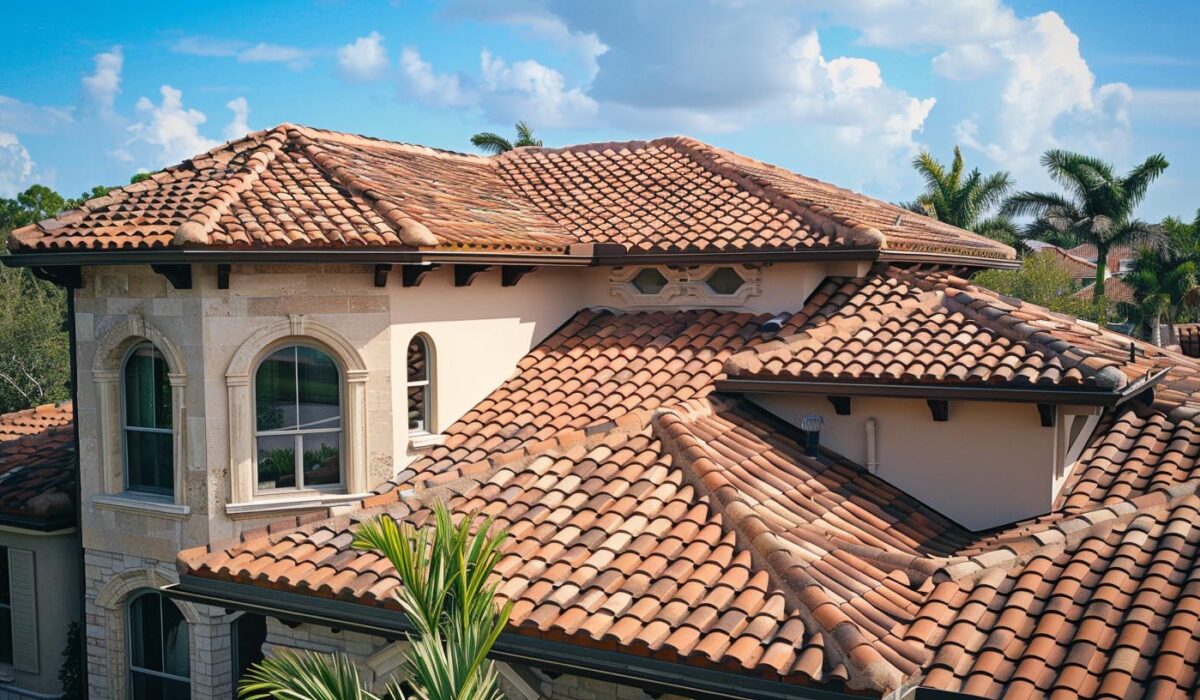
Tile Roofing San Diego helps homeowners protect one of the most valuable parts of their property by understanding what tile roof warranties actually cover, what they exclude, and how everyday decisions can affect long-term protection. A tile roof can last for decades, but warranty value depends on more than the tile itself. Labor, underlayment, installation details, repairs, maintenance records, foot traffic, cleaning methods, and third-party work can all influence whether a warranty claim is accepted or denied.
For many San Diego homes, especially Spanish, Mediterranean, Mission, and coastal-style properties, tile roofing is a premium investment. Clay tile roof systems and concrete tile roofs are known for durability, curb appeal, and resistance to harsh sun exposure. However, the visible tiles are only one part of the system. The underlayment, flashing, fasteners, battens, ventilation, roof penetrations, and workmanship are often just as important when it comes to real warranty protection.
A strong warranty should give homeowners confidence, but it should not create a false sense of security. Most warranty problems happen when homeowners assume “tile roof warranty” means everything is covered. In reality, different parts of the roof may be covered by different parties, for different lengths of time, under different conditions.
Why Tile Roof Warranties Matter for San Diego Homes
San Diego tile roofs face a mix of inland heat, coastal moisture, salt air, marine-layer humidity, seasonal rain, and intense sun exposure. These conditions can affect underlayment aging, flashing performance, sealants, fasteners, and roof penetrations. A manufacturer warranty may cover defective tiles, but it will not usually cover leaks caused by poor installation, worn underlayment, cracked flashing, improper repairs, storm impact, or damage from people walking on the roof.
That distinction matters because many roof leaks on tile roofs do not begin with the tile itself. They often begin beneath the tile, where the underlayment has aged, a valley was not detailed correctly, a pipe flashing failed, or broken roof tiles allowed water to reach vulnerable areas. This is why a warranty review should always include the entire roof system, not only the tile brand or product label.
For homeowners comparing roofing San Diego contractors, warranty terms should be reviewed before work begins. The strongest contractor is not simply the one offering the longest promise. It is the one that clearly explains what is covered, what is excluded, how claims are handled, and what maintenance steps are needed to keep coverage valid.
Contact Us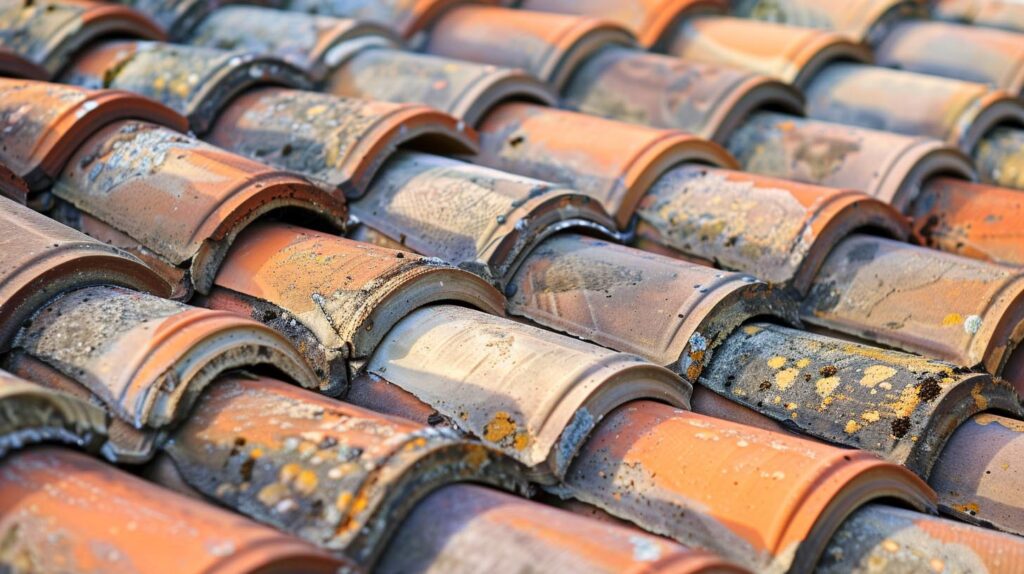
Main Types of Tile Roof Warranties
Tile roof warranties are usually divided into several categories. Each one protects a different part of the roof.
Manufacturer Warranty
A manufacturer warranty usually applies to the roof tiles themselves. It may cover defects in the clay, concrete, color finish, structural integrity, or product manufacturing. Depending on the tile brand and product line, warranty coverage can vary widely.
Manufacturer warranties typically do not cover installation mistakes. If the tiles were installed incorrectly, fastened poorly, cut improperly, or placed over the wrong underlayment system, the manufacturer may deny responsibility because the issue was not caused by the tile product.
This is especially important for clay tile roof systems. Clay tile is long-lasting, but it must be handled correctly. Cracked tiles, unsupported tiles, incorrect fastening, careless cutting, and improper walking patterns can create damage that is not considered a product defect.
The Tile Roofing Industry Alliance notes that clay and concrete tile roofs require proper maintenance and appropriate cleaning practices, which reinforces why homeowners should understand the difference between normal tile performance and damage caused by improper care.
Labor Warranty
A labor warranty covers the workmanship performed by the roofing contractor. This may include installation methods, flashing details, underlayment application, valley work, ridge details, penetrations, and other field work performed during the project.
This is often the warranty homeowners need most when a leak develops after roof work. If the issue comes from improper installation or repair workmanship, the manufacturer warranty may not apply. The contractor’s labor warranty becomes the relevant protection.
Labor warranty terms should be reviewed carefully. Homeowners should ask how long the warranty lasts, what specific work is included, whether leak response is covered, whether broken tiles from future access are excluded, and whether the warranty transfers to a new homeowner after sale.
Underlayment Warranty
Underlayment is one of the most important warranty areas on a tile roof. Tile sheds water, blocks sun, and protects the roof system, but the underlayment is the secondary water barrier beneath the tile. In many tile roof leaks, the underlayment is the true failure point.
Underlayment warranty coverage depends on the product used, the installation method, roof pitch, ventilation, flashing integration, and manufacturer requirements. Premium underlayment systems may offer stronger protection than basic felt-based systems, but only when installed correctly.
A tile roof may still look attractive from the street while the underlayment is near the end of its service life. This is common on older San Diego homes where the tiles remain usable but the waterproofing layer below them has aged. In those cases, homeowners may need a lift-and-reset, restoration, or targeted repair depending on roof condition.
For related system guidance, homeowners can review our resource on tile roof underlayment to better understand why the hidden layer matters so much.
Repair Warranty
A repair warranty usually applies only to the specific area repaired. This is different from a full roof warranty. If a roofer repairs a cracked valley, replaces broken tiles, seals a flashing area, or fixes a leak around a roof penetration, the repair warranty normally covers that repair zone.
Homeowners should not assume that a repair warranty covers unrelated leaks elsewhere on the roof. A tile roof can have multiple aging areas, especially if the underlayment is old, tiles have shifted, or previous repairs were performed by different contractors.
For homes with recurring leaks, isolated repair warranties may provide limited value unless the entire roof is inspected. A professional tile roof inspection can help identify whether the issue is localized or part of a broader system problem.
What Tile Roof Warranties Usually Cover
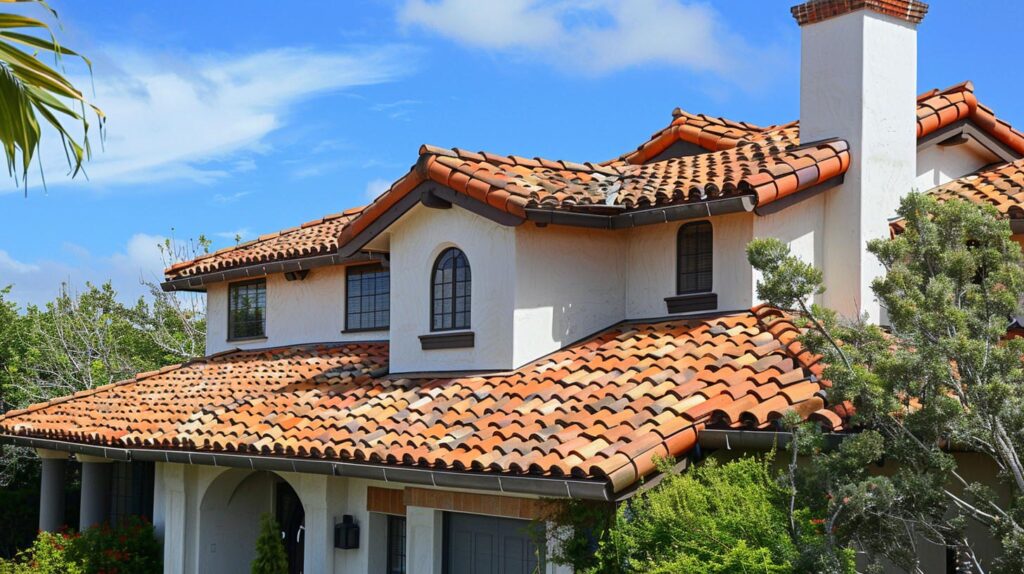
A well-written tile roof warranty may cover defective roof tiles, installation workmanship, flashing work included in the project, underlayment installation, leak repairs caused by covered workmanship issues, and certain material failures.
However, coverage depends on the contract and warranty document. Two warranties that sound similar can be very different in practice. One contractor may cover labor for ten years with clear leak-response terms. Another may offer a long-sounding warranty with narrow exclusions that make claims difficult.
Homeowners should look for clear answers to these questions before signing:
- What exact materials are covered?
- Is labor included or only materials?
- Does the warranty cover leaks?
- Are underlayment and flashing included?
- Are broken tiles covered after installation?
- What maintenance is required?
- What actions can void the warranty?
- Is third-party damage excluded?
- Is emergency roof repair included or billed separately?
- Does the warranty transfer if the home is sold?
These questions are especially important for premium residential roofing San Diego projects, where tile selection, roof design, HOA requirements, and long-term resale value often matter.
What Tile Roof Warranties Usually Do Not Cover
Most tile roof warranties exclude damage caused by outside forces, improper use, neglected maintenance, unauthorized repairs, third-party work, natural disasters, heavy foot traffic, pressure washing, structural movement, and failure to address known roof problems.
A warranty is not the same as insurance. It does not usually cover every possible roof problem. If tiles are cracked by a solar installer, satellite technician, painter, chimney contractor, gutter worker, or homeowner walking on the roof, that damage may not be covered by the original roofer or tile manufacturer.
Warranties also may not cover leaks caused by debris buildup, clogged valleys, blocked drainage paths, animal activity, tree damage, pressure washing, or unapproved sealants. If a homeowner delays needed maintenance and water damage worsens, coverage may be reduced or denied.
This is why roof maintenance San Diego homeowners schedule should be documented. Photos, inspection reports, invoices, and repair records can help demonstrate that the roof was cared for properly.

What Can Void a Tile Roof Warranty?
Tile roof warranties often include exclusions for actions that increase the risk of damage. Some exclusions are obvious. Others surprise homeowners.
Walking on Clay Tile Roofs Incorrectly
Walking on clay tile roof surfaces can crack tiles, loosen fasteners, shift pieces, and damage the underlayment beneath. Even one cracked tile can create a pathway for water during heavy rain.
Foot traffic damage is often excluded from warranties because it is considered impact or misuse, not product failure. This matters when solar installers, painters, HVAC technicians, chimney contractors, inspectors, or homeowners access the roof without proper tile-roof experience.
If someone must access the roof, they should understand tile load points, safe walking paths, and how to avoid unsupported tile edges. After any third-party roof access, a follow-up tile roof inspection is a smart way to document whether broken roof tiles or shifted components were left behind.
Pressure Washing the Roof
Pressure washing can force water beneath tiles, disturb laps, damage finishes, loosen mortar, expose underlayment, and accelerate deterioration. On older roofs, aggressive washing can turn a cosmetic cleaning project into a leak risk.
Many homeowners assume pressure washing is harmless because tile feels hard and durable. The problem is not only the tile surface. It is the water pressure, spray angle, and the risk of driving water into places the roof was not designed to accept pressurized flow.
If roof cleaning is needed, homeowners should use cleaning methods appropriate for tile roofing and avoid contractors who treat tile like concrete pavement.
Solar Installation Without Tile-Roof Protection
Solar installation can affect a tile roof warranty if mounts, brackets, penetrations, flashing, or access practices are not handled correctly. Common issues include cracked tiles, poorly sealed penetrations, incompatible mounting methods, broken tiles hidden beneath panels, and underlayment damage.
Before solar work begins, homeowners should confirm who is responsible if tiles break or leaks develop. The solar contractor’s warranty, the roofing contractor’s warranty, and the manufacturer’s warranty may all have different limits.
A pre-solar roof inspection can document existing roof condition. A post-installation inspection can confirm whether the roof was damaged during installation. This is especially important for tile roof repair San Diego homeowners may need after solar crews complete work.
Unauthorized Repairs
Hiring an unqualified repair contractor can create warranty problems. If a roof is repaired with incompatible materials, incorrect flashing, exposed sealant, mismatched tiles, or poor fastening, future claims may be denied.
For example, using surface caulking to stop a leak may look like a quick fix, but it rarely addresses the underlying issue. If that temporary patch traps moisture, redirects water, or hides ongoing underlayment failure, the original warranty provider may not accept responsibility later.
Professional tile roof repair should be performed with proper tile handling, matching materials where possible, and attention to the roof system beneath the visible surface.
Neglected Maintenance
Warranty documents often require homeowners to maintain the roof. This may include keeping valleys clear, removing debris, replacing broken tiles, checking flashing, managing overhanging branches, and addressing leaks promptly.
Neglect is one of the easiest reasons for a warranty claim to become disputed. If a small issue was visible for months and no action was taken, the provider may argue that the damage worsened because the roof was not maintained.
Routine maintenance is especially important for properties near trees, coastal moisture, canyon areas, and inland heat zones. These settings can accelerate debris buildup, biological growth, sealant wear, and underlayment stress.
How Underlayment Affects Warranty Value
On a tile roof, underlayment is often the difference between a cosmetic roof and a watertight roof system. Tiles can last a very long time, but underlayment has its own service life. Once it becomes brittle, cracked, curled, or punctured, leaks can occur even when most tiles still look intact.
A strong underlayment warranty depends on proper installation. Seams, overlaps, valleys, eaves, ridges, penetrations, and transitions must be detailed correctly. The product also needs to match the roof slope and tile system.
If a contractor installs high-quality tile over weak underlayment, the visible roof may look premium while the hidden protection is limited. For homeowners comparing tile roofing contractors San Diego, this is one of the most important warranty questions to ask: what underlayment is being used, and how is it covered?

Warranty Documentation Homeowners Should Keep
Good documentation can make a warranty claim easier. Homeowners should keep copies of the contract, warranty certificate, product information, tile manufacturer details, underlayment brand, invoice, inspection photos, repair records, maintenance receipts, and any correspondence with contractors.
If the home is sold, these documents can also support buyer confidence. Tile roofing can increase perceived property value, especially when the roof has clear records showing professional installation, regular maintenance, and prompt repair history.
Documentation is also useful after storms, solar work, exterior painting, chimney service, or any project that requires roof access. If damage appears later, records can help show when the problem likely began and who accessed the roof.
Why Warranty Length Is Not the Only Thing That Matters
A long warranty is not always a better warranty. Homeowners should look beyond the number of years and review the actual terms.
A shorter warranty with clear labor coverage, responsive claim handling, and strong workmanship standards may be more valuable than a longer warranty with broad exclusions. Warranty quality depends on clarity, contractor stability, repair process, documentation requirements, and whether coverage applies to the real causes of tile roof leaks.
For premium tile roofs, workmanship is often the most important factor. The best tile, underlayment, and flashing materials can still fail early if installation quality is poor. This is why roof inspection San Diego homeowners request before major decisions can reveal whether a roof’s warranty protection is likely to hold up.

When to Schedule a Warranty-Focused Tile Roof Inspection
A warranty-focused inspection is useful when buying a home, preparing to sell, planning solar installation, scheduling exterior work, seeing broken roof tiles, noticing water stains, reviewing an older warranty, or dealing with a recurring leak.
It is also wise after heavy foot traffic. If painters, solar crews, satellite technicians, pest control workers, or other trades have walked on the roof, the roof should be checked for cracked tiles, shifted pieces, damaged flashing, and exposed underlayment.
For urgent active leaks, homeowners should not wait for a warranty review before taking protective action. Emergency tile roof repair may be needed to limit interior damage, protect the structure, and document the problem.
Conclusion
A tile roof warranty is only as strong as the roof system behind it, the workmanship used to install or repair it, and the care taken after the work is complete. Manufacturer warranties, labor warranties, underlayment warranties, and repair warranties all serve different purposes, and each one has limits homeowners should understand before a problem appears.
If you want a clearer picture of your roof’s condition, warranty risks, broken roof tiles, underlayment concerns, or damage caused by foot traffic, solar installation, or pressure washing, schedule a professional Tile Roof Inspection with Tile Roofing San Diego.
Read our blog: Gutter Systems and Tile Roof Longevity
FAQ
What is the difference between a tile manufacturer warranty and a labor warranty?
A tile manufacturer warranty usually covers defects in the tile product itself, such as manufacturing flaws or certain material failures. It does not usually cover poor installation, damaged underlayment, incorrect flashing, broken tiles from foot traffic, or leaks caused by third-party work.
A labor warranty is provided by the roofing contractor and applies to workmanship. This may include installation methods, repair work, flashing details, underlayment application, and leak issues caused by covered labor. Homeowners should review both warranties because they protect different parts of the roof.
Can walking on a clay tile roof void the warranty?
Walking on a clay tile roof can affect warranty protection if it causes cracked tiles, shifted pieces, broken corners, or underlayment damage. Many warranties exclude damage caused by foot traffic, third-party contractors, solar crews, painters, inspectors, or homeowners accessing the roof improperly.
If roof access is necessary, it should be handled by professionals familiar with tile roof systems. After any major roof access, an inspection can help document whether broken roof tiles or other damage occurred.
Does a tile roof warranty cover leaks?
A tile roof warranty may cover leaks only when the leak is caused by a covered issue. If the leak comes from defective workmanship during installation or repair, the labor warranty may apply. If it comes from defective materials, the manufacturer warranty may apply.
Leaks caused by neglected maintenance, aged underlayment, pressure washing, storm damage, solar installation, improper repairs, cracked tiles from walking, or clogged drainage paths may be excluded. The best way to understand coverage is to review the warranty terms and inspect the actual roof condition.