
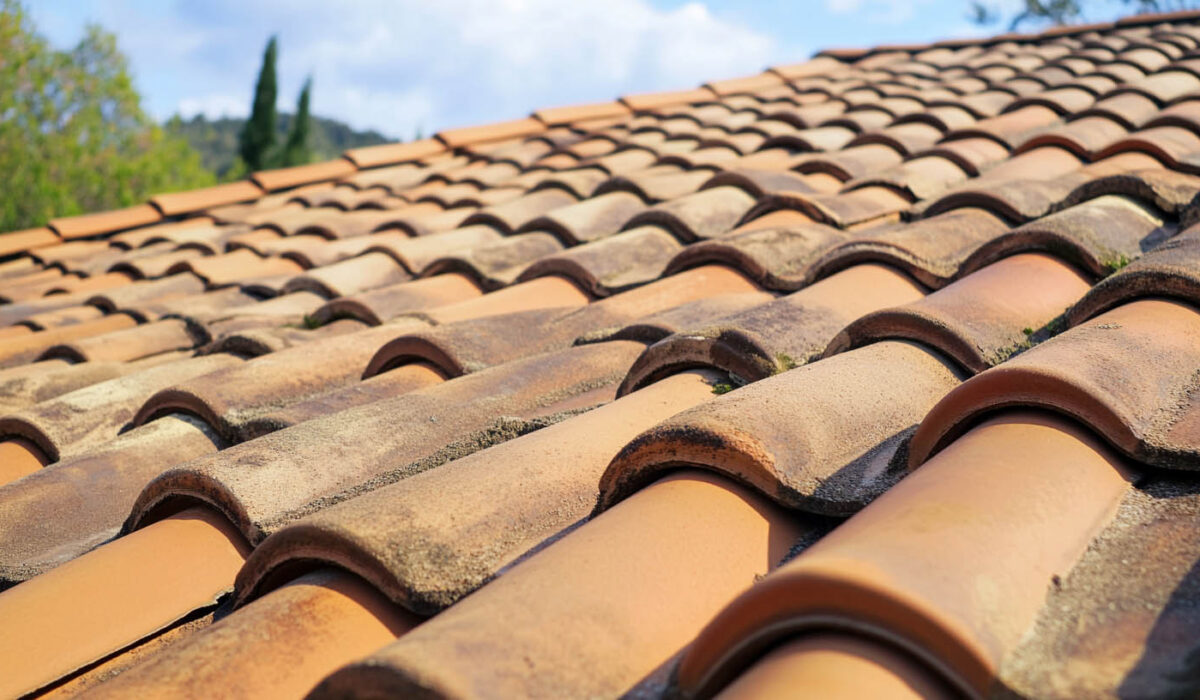
When considering your home’s tile roof, what lies beneath the surface is just as important as what you see above. The roof deck, or sheathing, serves as the fundamental foundation and plays a vital role in ensuring that your entire roofing system remains in good shape. Its condition directly impacts your roof’s durability, performance, and overall lifespan. As your trusted roofing contractor at Tile Roofing San Diego, we want to explain why this hidden layer is so critical to protecting your home and your valuable investment for years to come.
Roof Decking and Tile Roofing in San Diego CA
In San Diego, tile roofing is incredibly popular for its beauty and durability, adding significant aesthetic value to homes. However, a strong and well-maintained roof deck is essential to support the heavy tiles and protect your home’s energy efficiency effectively. A professional roofer ensures that your roof is properly installed from the deck up, helping it withstand the harsh sun and rain common in the area. For any roofing project, including roof replacement in San Diego, a solid deck is truly a must for long-lasting performance.
Contact UsOur Certifications in Roof Decking Expertise
At Tile Roofing San Diego, we know a strong roof starts with a solid foundation. With years of experience as an Owens Corning Preferred Contractor and GAF Master Elite Contractor, we follow the highest standards and offer leading warranties for your peace of mind. We blend traditional expertise with modern methods, utilizing synthetic materials to ensure your roof deck is expertly prepared for long-lasting tile installation. Installing tile over a damaged deck leads to leaks, sagging, and premature failure. That’s why we thoroughly inspect your roof deck before any work begins—protecting your investment and preventing future issues.
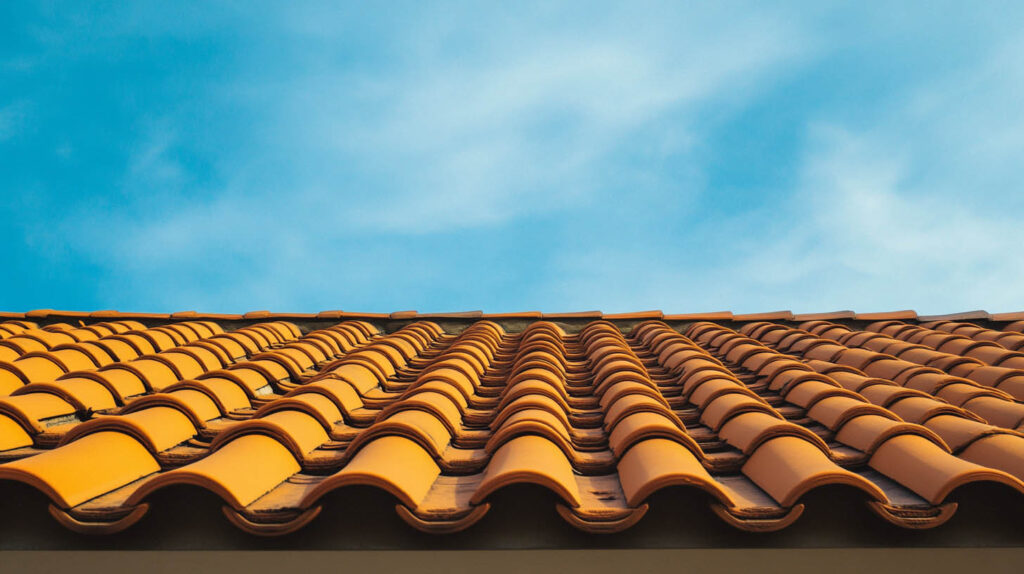
Materials Used Beneath Tile Roofs
The materials used for your roof deck, including metal panels, play a significant role in its strength and durability. The choice of roofing material for the deck itself is the first step, followed by the application of a high-quality roof underlayment that can mitigate potential issues. This combination creates a robust system prepared for the tile installation process. Different homes and climates may call for specific materials to ensure maximum protection and longevity. Understanding the options helps you make an informed decision about what is best for your property. Let’s explore some of the most common materials used for the roof deck.
Plywood and OSB Roof Decks
The structural integrity and structural stability of your roof depend on the materials used for the deck. Plywood and OSB are popular choices, offering durability and easy installation. They support tile substrates and protect against harsh weather. Plywood is valued for strength; OSB for cost-effectiveness—both ideal for energy efficiency and longevity, customizable to suit the specific needs of your roof. Regular inspections help prevent water intrusion and structural damage. Proper installation ensures long-lasting protection against heavy rain and strong winds, giving homeowners peace of mind.
Specialty Decking for Coastal California Homes
Coastal California homes face harsh weather, requiring specialty decking to maintain structural integrity. Materials engineered for heavy rain, strong winds, and mold resistance can significantly extend the life of your roof’s lifespan. Advanced options like strand board or synthetic underlayments form a protective barrier beneath tile roofs, preventing water intrusion. A professional roofing contractor plays a key role in ensuring these decks are properly installed, boosting energy efficiency and reducing repairs. Investing in quality materials strengthens your roof and offers lasting peace of mind against the elements.
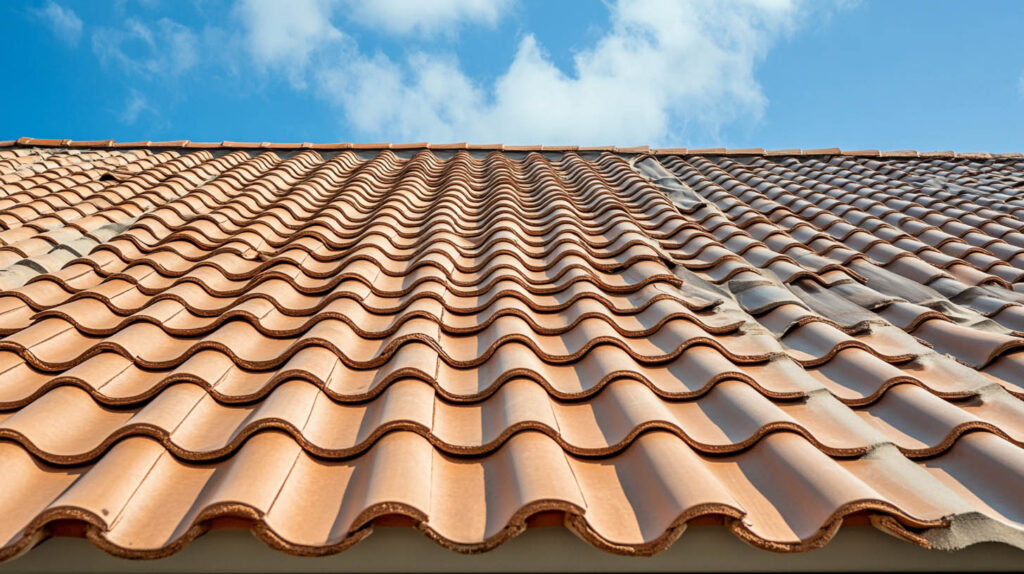
Signs That Your Roof Deck Needs Repair
Catching roof deck problems early helps prevent major damage and costly repairs that can arise from neglect, especially when considering a new roof. Because the deck is hidden from view, you need to vigilantly watch for warning signs both inside and outside your home. Most issues stem from moisture, which can lead to rot, mold, or structural weakness. Recognizing the signs of water damage is key to addressing these problems before they threaten your entire roof and home. Here are the most common options and signs of a damaged roof deck.
How Deck Issues Can Lead to Roof Leaks
A compromised roof deck leads directly to leaks. When the decking is soft, rotted, or damaged, it loses its protective barrier and lets water in if moisture gets past the tile roof. The entire roofing system depends on a sturdy foundation and stable deck. The ease of installation of proper materials can help mitigate issues. Damaged decking can loosen fasteners, create gaps, and break seals, allowing water to seep under tiles and into your home. Even minor deck issues can quickly result in costly repairs to ceilings, walls, and insulation. Promptly fixing deck problems prevents major water damage and keeps your tile roof effective.
Maintaining and Inspecting Roof Decks Under Tile Roofs
Proactive maintenance is key to extending your roof deck’s lifespan and preserving the structural integrity of your home and roof’s integrity. Because the deck isn’t visible, regular inspections by a qualified roofing contractor are essential. Experts can spot and fix issues early, saving you time and money. Inspections give you a clear assessment of your deck’s condition and help you plan repairs or maintenance, outlining the necessary steps in the repair process, protecting your investment and offering peace of mind. Here are recommended inspection intervals for your deck.
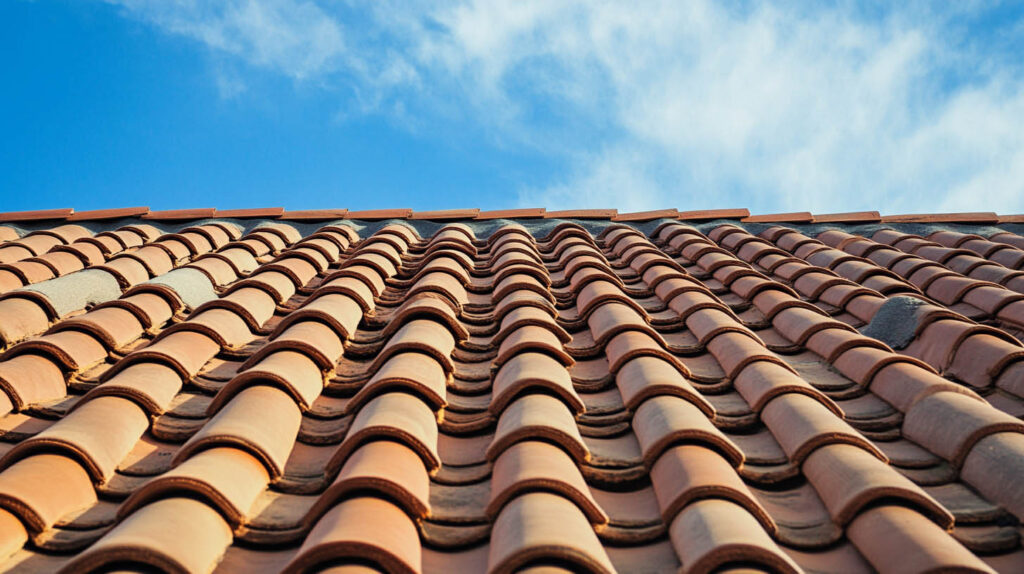
Inspection Frequency Recommendations in San Diego
In San Diego, the best way to have your roof deck inspected is by a professional every three to five years to catch wear and tear early. Schedule additional inspections after severe weather, like heavy rain. During an inspection, the roofer will check for moisture, rot, and structural weakness in the attic, and surface issues like sagging. This keeps your roof deck strong enough to support your tile roof, which plays a critical role in your home’s durability. Given our intense sun and occasional harsh weather, regular inspections are essential. Staying proactive helps prevent minor issues from becoming expensive repairs.
Call Us 619-350-1086Get in Touch
In summary, the condition of your roof deck is crucial for protecting your home in San Diego from high winds. A well-maintained deck supports tile roofing and prevents leaks. Regular inspections and repairs help safeguard your investment in the long run. As an Owens Corning Preferred Contractor and GAF Master Elite Contractor, we at Tile Roofing San Diego offer expert service and top warranties. Contact us today to strengthen your roof.
Read our blog: Tile Roof Weight Considerations for Older San Diego Homes
Frequently Asked Questions
What should be under roof tiles?
Underneath a tile roof, you should have two critical layers: a durable roof deck that provides structural support and a high-quality roofing underlayment. This underlayment material acts as a secondary barrier and water barrier, protecting the roof deck and the rest of your roofing system from harsh weather conditions.
Are roof decks prone to leaks?
A healthy roof deck is not prone to leaks, but a damaged one is. If the roofing material of the deck becomes rotted or compromised due to prolonged moisture exposure, it can allow for foot traffic and water intrusion, compromising the integrity of the roof. This can lead to significant structural damage and leaks inside your home.