
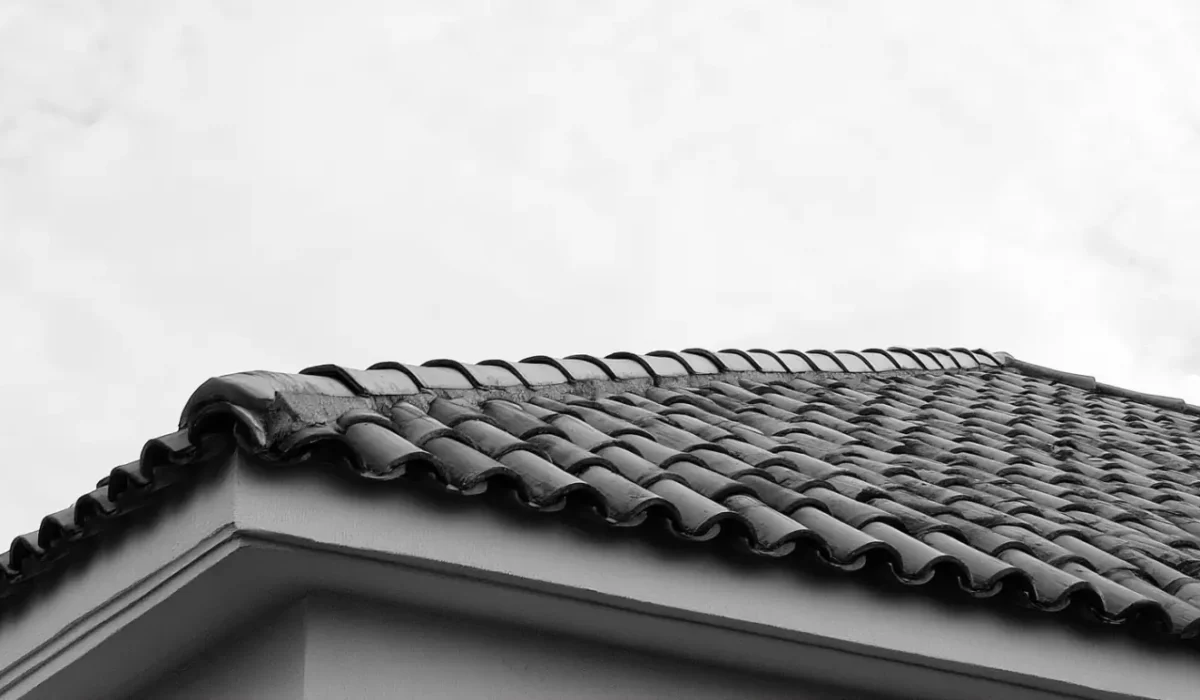
At Tile Roofing San Diego, we often inspect clay and concrete tile roofs that still look attractive but have started leaking beneath the surface. The reason is simple: roof tiles and underlayment do not have the same lifespan. Tiles may remain serviceable for decades, while the waterproofing layer beneath them can become brittle, torn, or deteriorated much earlier. For San Diego homeowners, HOA boards, and property managers, recognizing this difference can prevent recurring leaks, interior damage, and unnecessary tile replacement.
A Tile Roof Is a Complete System
Clay and concrete tiles form the visible exterior layer of the roof. Their shape and overlap help direct rainfall toward valleys, gutters, and eaves. However, tiles are water-shedding materials rather than a completely waterproof surface.
The underlayment beneath the tiles provides the secondary drainage plane that protects the roof deck when moisture passes through tile overlaps or enters around penetrations. A complete tile roof system also includes:
- Roof decking
- Battens
- Fasteners
- Valley metal
- Wall flashing
- Pipe and vent flashing
- Eave closures
- Ridge components
A defect in any of these components can cause a leak even when the surrounding tiles appear undamaged.
The Tile Roofing Industry Alliance installation guides emphasize that clay and concrete tile roofs must be installed as complete systems. Long-term performance depends on proper underlayment, flashing, fastening, and drainage—not only on the durability of the tile.
Contact Us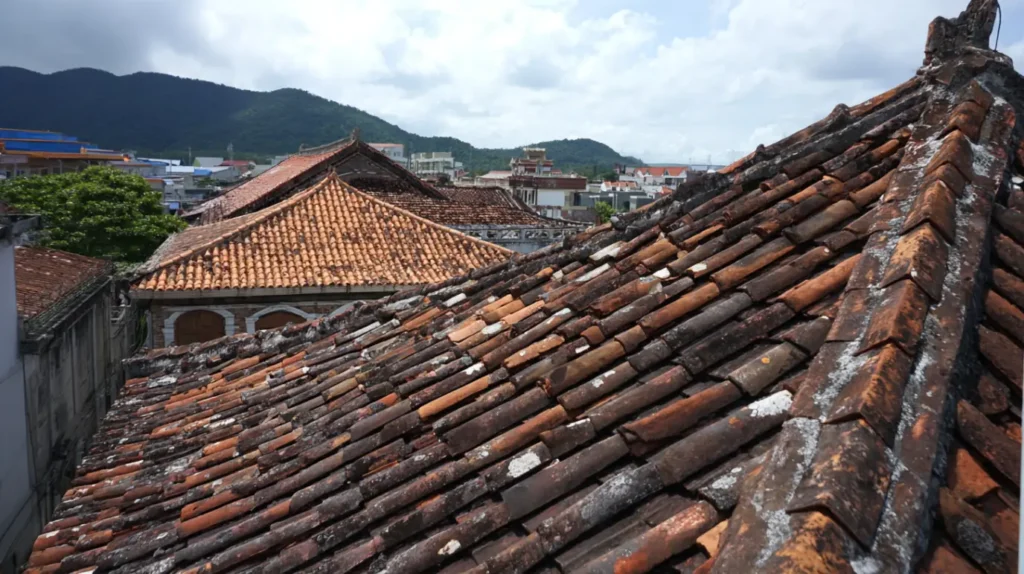
Tile Lifespan vs. Underlayment Lifespan
Clay tile can often remain serviceable for 50 years or longer when it is properly installed and protected from impact, excessive foot traffic, and structural movement. Concrete tile can also perform for several decades, although its color and surface finish may weather over time.
Traditional asphalt-felt underlayment usually has a shorter lifespan. On many older Southern California tile roofs, felt may begin losing flexibility and strength after approximately 20 to 30 years.
Actual underlayment lifespan depends on:
- Material quality
- Number of layers
- Roof slope
- Ventilation
- Heat exposure
- Installation quality
- Drainage
- Fastener placement
- Previous repairs
- Solar or HVAC work
- Rooftop foot traffic
Modern synthetic and self-adhered underlayments may offer improved heat resistance and tear strength, but no material lasts indefinitely. Product selection and installation quality remain critical.
| Roof Component | Typical Service-Life Expectation |
| Clay roof tile | Often 50 years or longer |
| Concrete roof tile | Often several decades |
| Older asphalt-felt underlayment | Often approximately 20–30 years |
| Modern underlayment | Depends on product and installation |
| Flashing and penetrations | Depends on condition and exposure |
| Roof deck | Long-lasting when kept dry |
These ranges are planning estimates rather than guarantees. A poorly installed newer roof may fail before a properly maintained older one.
Why San Diego Tile Roofs Develop Hidden Leaks
San Diego’s climate is mild, but local roofs still face prolonged sunlight, ultraviolet exposure, dry heat, marine-layer moisture, coastal salt, wind, and concentrated winter rain.
These conditions can weaken underlayment and flashing while leaving the visible tile largely unchanged.
Heat and UV Exposure
Tiles shield most of the underlayment, but cracked or displaced pieces can expose small sections directly to sunlight. UV exposure accelerates oxidation and causes asphalt-based materials to dry, crack, and lose flexibility.
Heat also creates repeated expansion and contraction. Tile, metal flashing, fasteners, wood decking, and underlayment move at different rates. Over time, this movement can enlarge fastener holes, weaken laps, loosen tiles, and split brittle felt.
Marine Layer Moisture and Coastal Salt
Coastal San Diego properties often experience morning fog, elevated humidity, and salt-laden air. Moisture can keep debris damp, slow drying in shaded areas, and contribute to corrosion on exposed metal components.
Roof valleys, vents, skylights, wall transitions, and fasteners may be especially vulnerable. Coastal buildings may therefore require different inspection schedules from similar properties farther inland.
Concentrated Winter Rain
According to the NOAA climate normals for San Diego, San Diego receives approximately 9.79 inches of annual precipitation, with most rainfall concentrated during the cooler months.
A roof may stay dry for long periods and then face heavy runoff and wind-driven rain during a short storm cycle. Small defects that remain unnoticed during light rain can become active leaks during stronger storms.

How Water Gets Beneath Roof Tiles
During rain, most water flows across the tile surface. However, some moisture can pass through normal overlaps, especially when wind pushes rain sideways or uphill.
Water may also reach the underlayment through:
- Broken tile corners
- Displaced tiles
- Blocked channels
- Overflowing valleys
- Damaged flashing
- Openings around vents and pipes
The underlayment should carry this moisture safely toward the eaves. Leaks begin when it becomes torn, brittle, punctured, poorly overlapped, or disconnected from flashing.
Once water reaches the roof deck, it may travel along rafters, sheathing joints, pipes, or fasteners before appearing indoors. This is why the ceiling stain may be several feet away from the actual entry point.
Replacing the tile directly above a stain may not solve the problem. The surrounding underlayment and flashing must also be evaluated.
Common Hidden Failure Points
Roof Valleys
Valleys carry concentrated runoff from two roof planes. Leaves, palm debris, dirt, and broken mortar can block water flow and force moisture beneath adjacent tiles.
Older valley underlayment may also contain punctures or patches from previous repairs.
Roof-to-Wall Connections
Where tile meets stucco walls, chimneys, or upper stories, flashing must direct water back onto the roof surface.
Leaks may develop when flashing is too short, incorrectly overlapped, damaged, or dependent on failing sealant.
Vents, Pipes, and Skylights
Every penetration interrupts the drainage plane. Flashing around pipes, vents, skylights, and equipment must integrate correctly with both the tile and underlayment.
Surface caulking alone is not a reliable waterproofing solution.
Fasteners
Tile roofs contain many nails, screws, and clips. As older felt becomes brittle, movement around these fasteners can create tears or enlarged holes that allow water to reach the deck.
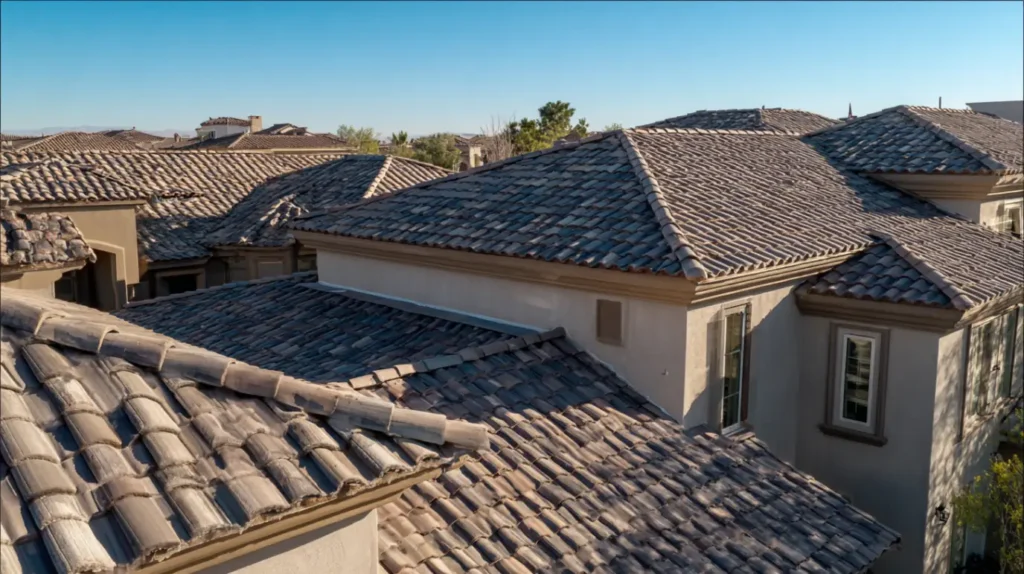
Warning Signs of Underlayment Failure
Common warning signs include:
- Recurring ceiling stains
- Leaks that return after tiles are replaced
- Damp or dark roof decking
- Rust or moisture marks near penetrations
- Multiple slipped or cracked tiles
- Exposed felt near valleys or eaves
- Repeated sealant patches
- Soft or delaminated decking
- Debris blocking drainage paths
- Peeling paint or bubbling drywall
- Musty odors near ceilings or walls
A recurring leak on a 25- or 30-year-old roof should not be treated the same as one isolated broken tile on a newer system.
Why Replacing Individual Tiles May Not Work
Spot repairs are appropriate when damage is isolated and the surrounding underlayment remains flexible.
However, repeated tile replacement may not solve leaks caused by widespread underlayment aging. Old felt can tear when tiles are lifted, and new patches may not bond well to dusty or oxidized material.
Repeated repairs can also leave behind:
- Roof cement
- Incompatible membranes
- Additional fastener holes
- Mismatched flashing
- Poorly positioned tiles
For HOAs and managed properties, recurring repairs can become more expensive than planned restoration. Costs may include interior drywall work, painting, moisture testing, resident communication, emergency access, and property management time.
When a Professional Tile Roof Inspection Is Needed
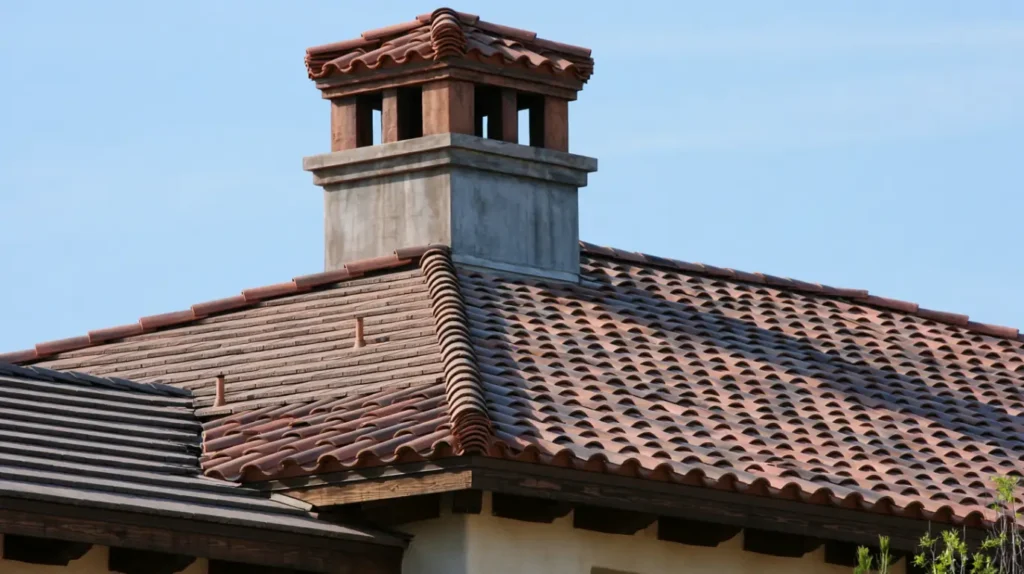
A professional inspection should evaluate more than the visible tile surface. It should include representative roof areas, valleys, flashing, penetrations, eaves, ridges, drainage paths, previous repairs, and accessible attic conditions.
Inspection is especially important when:
- The roof is 20 to 30 years old
- Leak repairs are recurring
- An HOA is updating its reserve study
- Solar panels will be installed or removed
- Rooftop equipment has been serviced
- Interior stains appear without broken tiles
- Storms or fallen branches may have caused damage
- The association is considering replacement based only on age
Limited tile lifting may be necessary to evaluate the underlayment. A useful report should document immediate leak risks, long-term concerns, photographs, likely water-entry points, and recommended repair or replacement options.
Lift and Relay: Renewing the Waterproofing Layer
When most tiles remain reusable but the underlayment has deteriorated, a lift and relay can restore the roof without discarding sound clay or concrete tile.
The process normally includes:
- Documenting the existing roof layout
- Carefully removing and staging reusable tiles
- Removing old underlayment and damaged flashing
- Inspecting the roof deck
- Repairing deteriorated decking
- Installing new underlayment
- Replacing valley, wall, pipe, and vent flashing
- Reinstalling battens where required
- Relaying reusable tiles
- Replacing broken or unusable pieces
- Checking drainage, ridges, and closures
A lift and relay is not simply new paper beneath old tile. Its success depends on proper deck preparation, compatible materials, correct flashing, fastening, and uninterrupted drainage.
When Full Tile Roof Replacement Is Better
Full replacement may be more practical when a large percentage of tile is cracked, fragile, mismatched, discontinued, or unsafe to reinstall.
Replacement may also be necessary when the roof has:
- Extensive deck deterioration
- Structural movement
- Chronic drainage defects
- Inadequate slope
- Widespread flashing failure
- Multiple incompatible repairs
For HOAs, the decision should consider reusable tile percentage, matching-tile availability, warranty terms, visual consistency, project disruption, and long-term maintenance costs.

Planning for HOAs and Property Managers
HOA boards should treat underlayment as a separate reserve component from the visible tile.
A reserve schedule that lists a tile roof lifespan of 50 years without accounting for underlayment renewal may underestimate future costs. The tile may remain serviceable while the waterproofing layer beneath it requires major restoration.
Property records should include:
- Installation year
- Tile profile
- Underlayment type
- Repair history
- Leak locations
- Coastal exposure
- Roof slope
- Tree cover
- Solar equipment
- Rooftop contractor access
For multi-building communities, controlled tile lifting on representative roof sections can determine whether deterioration is isolated or widespread. This information supports phased repairs, lift and relay planning, or replacement where tile reuse is not practical.
Extending the Life of a Tile Roof
Maintenance cannot restore deteriorated underlayment, but it can reduce stress and identify problems earlier.
Recommended maintenance includes:
- Clearing valleys and gutters
- Removing leaves and palm debris
- Replacing broken tiles
- Repositioning slipped tiles
- Inspecting vents and flashing
- Monitoring previous repairs
- Limiting unnecessary foot traffic
- Inspecting after storms
- Checking the roof after solar or HVAC work
Roof cement should not replace proper flashing. Broad sealant applications often hide defects rather than correct them.
Inspection reports, photographs, invoices, and repair maps help HOA boards and property managers recognize recurring patterns and plan capital work before leaks become emergencies.
Conclusion
Tile roofs often leak before the tiles fail because clay and concrete tiles usually last longer than the underlayment beneath them. In San Diego, heat, UV exposure, marine-layer moisture, coastal salt, wind, and concentrated winter rain gradually weaken underlayment, flashing, fasteners, and drainage details.
When leaks recur on an older tile roof, replacing individual tiles may only treat the visible symptom. A professional inspection can determine whether the problem is isolated, whether the roof deck requires repair, and whether a lift and relay can preserve serviceable tile while renewing the waterproofing layer that protects the building.
Frequently Asked Questions
How long does tile roof underlayment last in San Diego?
Traditional asphalt-felt underlayment may begin deteriorating after approximately 20 to 30 years. Actual lifespan depends on material quality, heat exposure, ventilation, roof slope, drainage, installation, and maintenance history.
Can a tile roof leak when all the tiles look intact?
Yes. Water can pass through normal tile overlaps during wind-driven rain. Leaks may occur when the underlayment is brittle, torn, punctured, or poorly connected to flashing around valleys, walls, vents, pipes, or skylights.
Is lift and relay better than full tile roof replacement?
Lift and relay is often the better option when most tiles remain structurally sound and reusable, but the underlayment and flashing require replacement. Full replacement is more appropriate when tile damage, deck deterioration, structural defects, or drainage problems are widespread.